





















look mum no computer chosen to represent UK at Eurovision 2026 in Vienna

The UK has selected electronic artist and inventor Sam Battle, better known as look mum no computer, to take its slot at the Eurovision Song Contest in Vienna this May. The Kent-based creator — who holds a Guinness World Record for building the world's largest drone synthesizer — will bring his trademark blend of DIY electronics, unconventional instruments and performance flair to a contest already facing a turbulent year.
From DIY electronics to the international stage
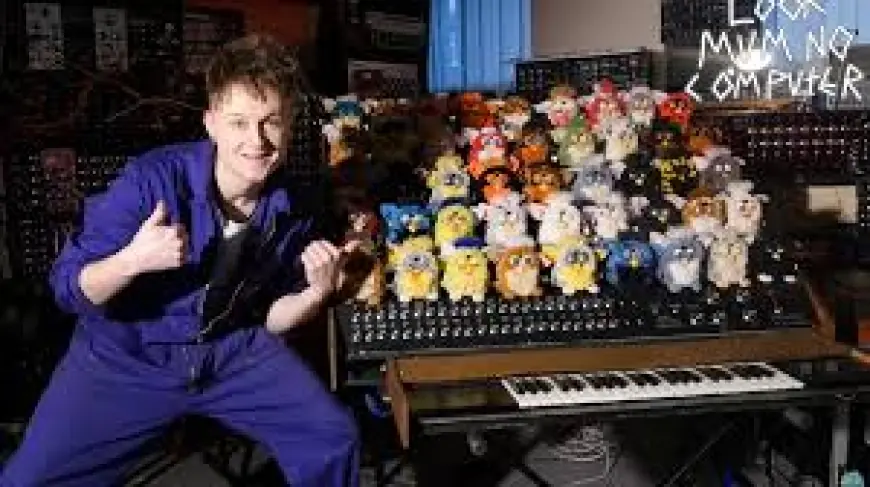
Battle began his public music career fronting indie outfit Zibra and later pivoted to solo work under his long-running alias. Over the past decade he has built a sizeable audience by documenting the creation of unusual instruments and experimental compositions. His catalogue includes organs made from Furby toys, modified Game Boys, a synthesiser mounted on a bicycle and even flame-throwing keyboards. He also runs a museum in Ramsgate dedicated to experimental and obsolete musical and scientific technology.
Beyond the spectacle, Battle is a songwriter and producer who says he has been working for years to craft original material and visual concepts from scratch. He described the opportunity as "completely bonkers" and said he is taking the role seriously, promising to bring "every ounce" of his creativity to the performances. The song to be performed in Vienna has not been released yet.
A bold gamble amid a fractious contest
The selection comes as Eurovision faces unusual headwinds. Five countries — Iceland, Ireland, the Netherlands, Slovenia and Spain — have announced a boycott of this year's contest over the continued inclusion of Israel. At the same time, television audiences for the event have been shrinking: the national broadcaster's coverage lost a quarter of its viewers in 2024 and then shed another million the following year.
That backdrop has prompted a noticeable shift in strategy. The UK’s decision to back a polarising, experimental performer aligns with a broader trend across the competition toward eye-catching, genre-defying acts. Observers note that past British approaches, from nostalgia-driven selections to reality-show picks, have failed to produce consistent top results in recent years. With relatively little to lose, the UK appears to be leaning into risk and invention.
What comes next and the road to Vienna
The broadcaster selected the entry through an internal process with input from industry experts; the artist’s identity and the decision were announced ahead of the contest. The head of entertainment praised Battle’s "bold vision, unique sound and electric performance style, " calling him the kind of artist who could make a memorable impact on the international stage.
Battle’s background as a builder-performer gives him a practical advantage: much of his stagecraft is born out of hands-on construction and tailored around specific sounds and visuals. That could allow a performance in Vienna to stand out not just for spectacle but for technical originality. Whether that translates into votes will be watched closely — not least because the UK has only once cracked the top 10 in the last 15 years.
Fans and critics will now wait for the unveiling of the entry song and the staging plan. With Eurovision set for May in Vienna, the coming weeks will focus on how Battle translates his workshop experiments into a live performance that can connect with a pan-European audience.