



















Simone Biles name surfaces amid Olympic pressure narrative as Ilia Malinin admits he was not 'ready to handle' Olympic pressure

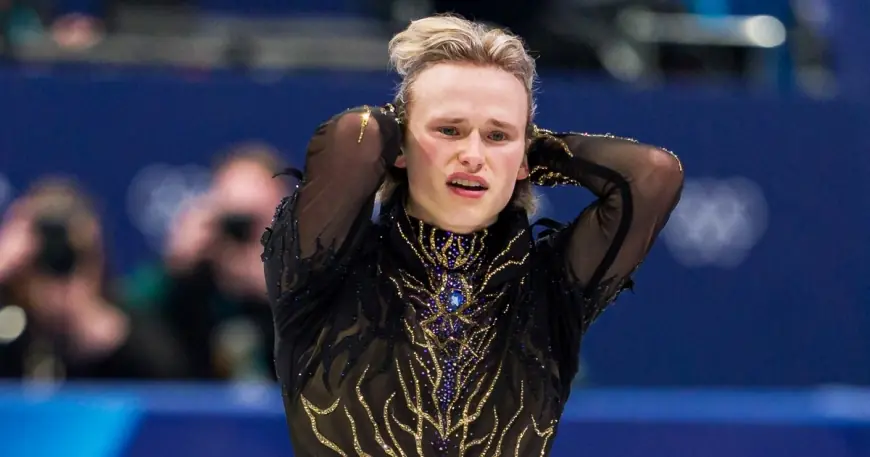
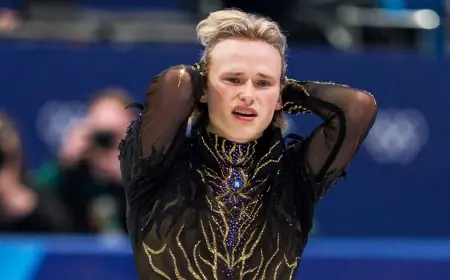
Ilia Malinin on Tuesday acknowledged that the intense spotlight of the Milano Cortina Games overwhelmed him, helping explain a shocking, mistake-filled free skate that dropped the 21-year-old from medal favorite to eighth place. The admission — delivered in a high-profile interview — signals a pivot from blame to learning as Malinin looks ahead to an exhibition gala on Saturday, Feb. 21, 2026 ET, and the world championships in Prague next month.
What went wrong in Milan: numbers and nerves
Malinin entered the individual event on the strength of a dominant season and a reputation as a technical innovator. But his free skate in Milan produced a score of 156. 33, a dramatic fall from the marks he posted in the lead-up to the Games, where free skate totals had ranged from roughly 210 to 238. Two visible falls in the long program led to a 72-point deduction situation that stunned fans and competitors alike.
"Honestly, it's not a pleasant feeling. The most honest way to say it is it's just a lot on you, just so many eyes, so much attention, " he said, describing how expectation can compound when the arena and media attention build. He explained that despite feeling confident earlier in the day, stepping onto the ice changed his mental state: "It really can get to you if you're not ready to fully embrace it, so I think that might be one of the mistakes I made going into that free skate was I was not ready to handle that to a full extent. "
That pressure contrasted starkly with the team event, where Malinin delivered a 200. 03 free skate and helped secure a team gold for the United States. The difference between that performance and the individual free skate in Milan has drawn questions about how athletes manage the shift from joint competition to an individual spotlight.
Moving forward: exhibition, worlds and recalibration toward 2030
Despite the individual setback, Malinin's season remains distinguished. At 21 he has already transformed the sport with feats such as landing the quadruple axel in competition and executing programs that include seven quadruple jumps. He still plans to skate in the closing gala on Saturday, Feb. 21, 2026 ET, and his camp indicates he expects to compete at the 2026 World Championships in Prague next month, events that will offer immediate opportunities to reframe the narrative.
"Of course, it didn't go the way I wanted it to... All I have to do is just learn from my mistakes there and push to see how I can improve in the future, " he said, adding that the experience will change how he prepares for the next Olympic cycle. He explicitly connected the Milan moment to long-term planning: "I can take a different approach leading up to the next Games, hopefully. " The implication is a greater emphasis on psychological readiness and routine adjustments to simulate the exacting conditions of the Olympic stage.
Back on campus, supporters have rallied. A group of students and faculty gathered in a university atrium to watch the event unfold, expressing pride and faith in a student-athlete whose career is only just beginning. They pointed to Malinin's youth, collegiate status and technical ceiling as reasons to expect recovery rather than ruin.
Perspective on pressure and elite sport
Malinin's frank assessment underscores a growing theme in elite athletics: performance is as much about managing the environment as it is about technical proficiency. For an athlete celebrated as the "Quad God, " the Olympic moment revealed how thin the margin can be between dominance and disappointment when expectation compresses around a single performance.
His plan now is pragmatic: learn, adjust, and return. With a gala appearance, a world title defense, and years until the 2030 Games, Malinin has both immediate and long-range chances to convert this painful lesson into a recalibrated approach that accounts for the glare he confronted in Milan.