



















james talarico interview pulled after FCC ‘equal time’ letter pressures networks

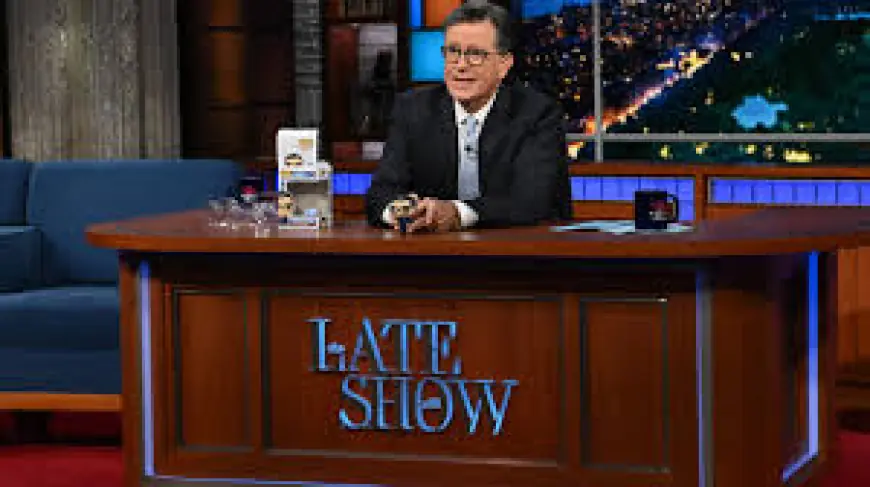
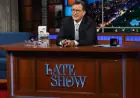
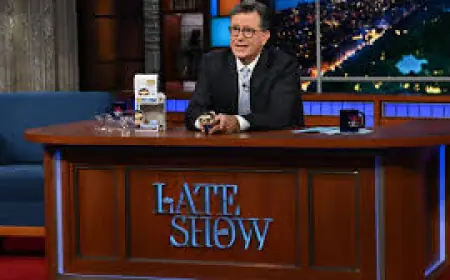
Stephen Colbert disclosed that an interview with Texas Democratic Senate hopeful james talarico was pulled from a late-night broadcast on Monday, Feb. 16, 2026 (ET), amid concerns it would trigger Federal Communications Commission "equal time" guidance. The announcement came as early voting opened in the Texas primaries on Tuesday, Feb. 17, 2026 (ET), heightening scrutiny of broadcast decisions during a contested election period.
What Colbert said about the pull and FCC guidance
On-air, Colbert said the segment was removed over fears that airing an interview with a candidate in the middle of a voting period could run afoul of the FCC’s evolving equal time interpretations. He described legal counsel at a rival broadcast entity intervening to prevent the interview from airing, citing potential regulatory exposure tied to recent FCC communications to networks about election fairness rules under the previous administration.
The host framed the action as a preemptive legal move: rather than test the boundaries of the commission’s guidance, lawyers opted to remove the segment. Colbert’s account underscores the degree to which legal risk aversion can shape programming decisions during election seasons, especially when agencies have signaled heightened oversight.
Election timing and political stakes in Texas
The decision to pull the interview occurred at a sensitive electoral moment. Early voting for the Texas primary began on Tuesday, Feb. 17, 2026 (ET), and candidates of both parties were actively campaigning in a hotly contested Senate race. For james talarico, a state representative turned Democratic candidate, national exposure on a late-night show could have provided valuable reach with voters during the critical early voting window.
Because broadcast schedules and televised interviews remain influential for voter outreach, producers and legal teams weigh regulatory constraints against the benefit of candidate appearances. The choice to err on the side of caution reflects how broadcasters manage the twin pressures of complying with federal guidance and preserving open political conversation at a moment when many voters are deciding their ballots.
Broader implications for broadcasters and candidates
Media executives are navigating a shifting regulatory climate that has prompted fresh scrutiny of the equal time doctrine and related guidance. The recent communications from the Federal Communications Commission have prompted networks to revisit policies governing candidate appearances, editorial segments, and how those slots are scheduled around voting periods.
For candidates like james talarico, the result is a narrower set of media opportunities during crucial campaign stretches. Prominent interviews that might boost name recognition can become collateral casualties of a cautious legal posture. Critics argue this dynamic risks chilling political discourse and disproportionately affects challengers who rely on earned media to close gaps in campaign infrastructure.
Supporters of the cautious approach counter that broadcasters must avoid regulatory violations that could carry fines or other sanctions. The tension highlights the balancing act facing content creators, station legal teams, and candidate communications directors in the run-up to elections.
The episode also raises questions about how commission guidance is communicated and whether clearer rules are needed to prevent last-minute programming changes that can alter the information environment during voting. As early voting continued across Texas on Feb. 17, 2026 (ET), the pulled segment served as a reminder that legal advisories can have immediate, tangible effects on political coverage.
For now, james talarico’s campaign and media strategists will likely adjust tactics, seeking alternative forums to reach voters while navigating a regulatory landscape that increasingly shapes what appears on screens in the final days of a campaign.