






















How robert duvall fell for Scottish football and made A Shot at Glory

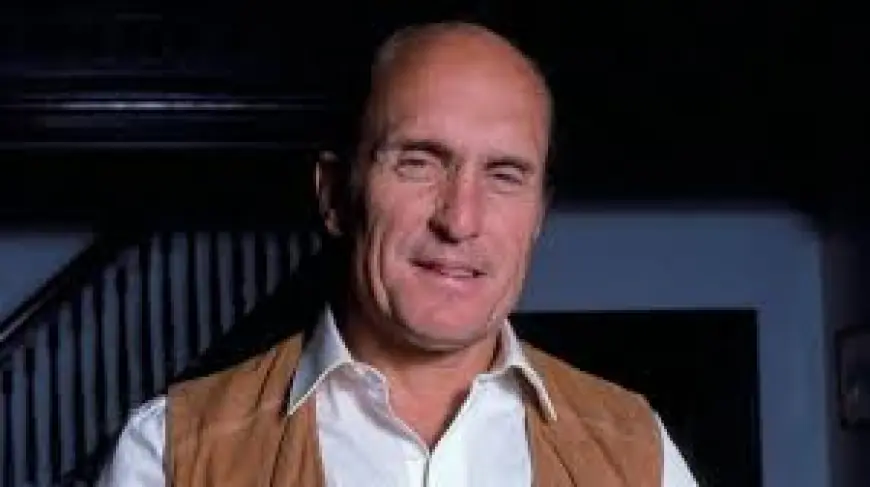
Robert Duvall, the Oscar-winning actor best known for landmark roles such as the consigliere in The Godfather, surprised fans by falling in love with Scottish football and turning that passion into a feature film. The project, A Shot at Glory, brought the Hollywood star to grounds across Scotland and left a warm if modest legacy among local supporters.
From Hampden to Palmerston: on-set spectacle and local excitement
In the late 1990s Duvall arrived on Scottish soil with a simple idea: make a film about the grit and romance of the national game. The fictional story of Kilnockie FC and a run to the Scottish Cup final was built around genuine football locations. Crowds gathered at Hampden Park in Glasgow and at smaller venues such as Palmerston Park in Dumfries to watch filming, turning routine matchdays into media-worthy events.
Local reporters still recall the day Duvall pulled into a community car park and briefly spoke with a journalist before being whisked away to scout a stadium. A later shoot at Queen of the South drew thousands, as spectators watched take after take of attempted overhead kicks and action on the touchline. For many fans it was likely the only time an Academy Award winner paced Palmerston Park during a shoot, and the goodwill generated by those encounters endures.
On set and off: craft, mentorship and quiet authority
Those who worked with Duvall remember a performer with deep respect for craft and a rare capacity for quiet mentorship. On one film set a young actor was invited to dinner by Duvall after a day’s shooting; a few measured words of encouragement about restraint and truth in performance proved pivotal to that actor’s future. That episode—one among many personal recollections—speaks to how Duvall shaped careers as much as characters.
Filmmaking colleagues point to his own work as evidence of the values he championed. Performances driven by stillness and honesty, such as his work in Tender Mercies and the personal film The Apostle, are cited as exemplars that informed others who later found success behind and in front of the camera. Even when a scene did not make the final cut, the exchange and recognition from Duvall could be a turning point for a collaborator.
Legacy: more than a footnote in a long career
A Shot at Glory is not universally regarded as a high-water mark in Duvall’s filmography, yet it occupies a special place in the memories of Scottish supporters and the small communities that hosted production. It is a reminder that even established stars can be drawn to local stories and that films of modest critical stature can create powerful human moments during production.
As tributes and recollections circulate, the Scottish chapter in Duvall’s life illustrates a broader truth about his career: he pursued roles and projects that resonated personally, whether the setting was a Southern hymn hall, a Civil War battlefield, or a rain-slicked football pitch. Those who met him on location remember an actor who listened, who taught without grandstanding, and who could make an ordinary corridor of a small-town stadium feel like an arena of possibility.
For communities from Dumfries to Glasgow, the legacy of Duvall’s brief sojourn in Scottish football remains tangible. Fans still reminisce about the sight of a screen legend pacing a familiar touchline, and for many local participants the memory of that time is not defined by box office or awards but by a fleeting, human encounter with someone who loved the game enough to bring it to the screen.