Colossal’s Dire Wolves Mature, Hunt as Powerful Pack

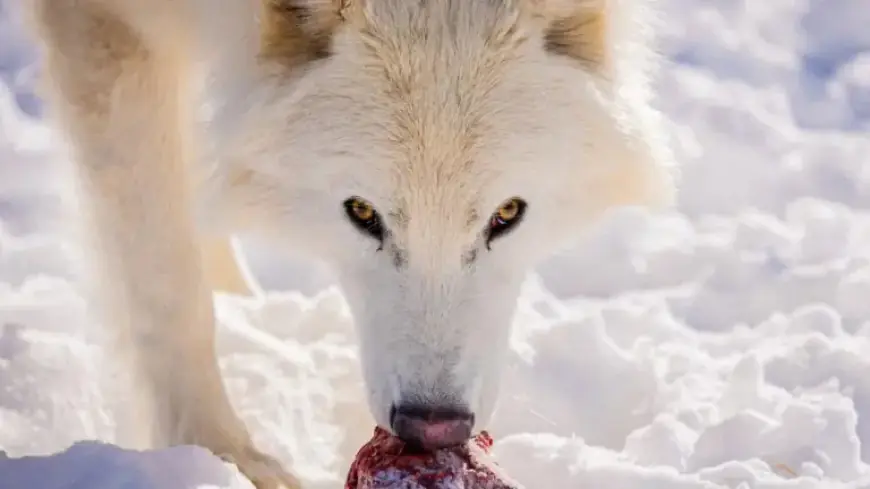
Colossal Biosciences is making strides in de-extinction with its project focused on dire wolves. Recently, the company showcased its new headquarters in Dallas during an official grand opening. The event was highlighted by a stunning animatronic dire wolf positioned in the lobby. Alongside this, a state-of-the-art screen displayed fresh footage of the dire wolves in action.
Colossal’s Dire Wolves Mature and Hunt
Colossal’s dire wolves have matured significantly over recent months. These animals, designed to replicate the ancient species, have begun to exhibit natural pack behavior. “They’re good at the hunting part, but they’re bad at the killing part,” said Matt James, Chief Animal Officer of Colossal. Even though they made their first successful chase, the wolves returned with a live rabbit, showing they still have room for growth. James noted their recent progress: “They’ve really mastered bunnies,” and they are now pursuing larger prey, including deer.
The Formation of a Pack
The social dynamics among the wolves have evolved considerably. Initially, Colossal introduced Khaleesi to her brothers, Romulus and Remus, under strict supervision. Now, they coexist as a cohesive pack. James confirmed, “Khaleesi’s full time with the boys now,” allowing them to eat, play, and hunt together. This development is the result of careful monitoring by a dedicated team that manages the wolves on a 2,000-acre site.
Future Expansion Plans
- The wolves recently completed comprehensive health evaluations, including CT scans and MRIs.
- All animals were deemed happy and healthy, confirming the potential for expanding the pack.
- Plans are underway for adding more dire wolf pups in the future.
While growth is encouraged, James emphasizes the need for caution: “I’m the brakes in this situation.” With the potential influx of new pups, considerations related to space, staffing, and infrastructure must be addressed to ensure the well-being of the pack.
Innovative Nutritional Strategies
Caring for these dire wolves involves unique feeding practices. The team has moved toward a dietary pattern resembling wild conditions. Instead of regular daily feeds, the wolves go several days without food, followed by substantial meals, such as a deer quarter. This approach aligns with their natural hunting instincts and supports their health.
Understanding the Controversy: Are They Real Dire Wolves?
A debate surrounds the genetic authenticity of Colossal’s wolves. Critics question whether these wolves are true dire wolves or genetically modified gray wolves. Shapiro, Chief Science Officer, clarifies the genetic edits made to recreate traits associated with dire wolves. She asserts that the focus isn’t primarily on classification but rather on whether the animals can thrive and exhibit functional traits.
Public Access to the Dire Wolves?
As interest in the dire wolves grows, the possibility of public access remains uncertain. James suggests there may be potential for broader visibility in the future, but concerns over their secure location prevent premature public viewings. For now, the stable and thriving pack consists of animals that straddle the line between ancient history and modern science.
As Colossal moves forward, updates on the dire wolf project will continue to unfold. Expect to hear more about their developments and successes in the weeks to come on Filmogaz.com.