




















Why did anthony kim's comeback resonate so deeply? Tiger Woods has the answer

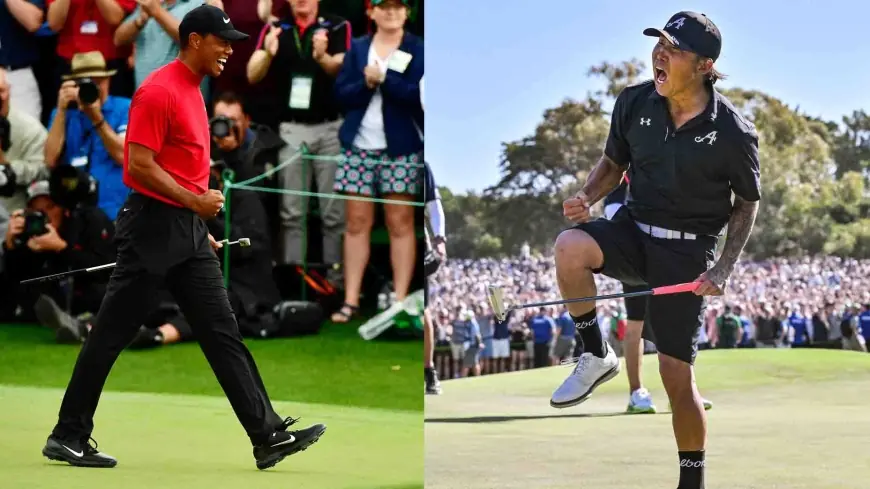
On Sunday (ET) at The Grange in Southern Australia, Anthony Kim poured in putt after putt to overtake two of the game’s biggest names and claim his first title in 16 years. The victory felt larger than a leaderboard shake-up — it landed as a human story about survival, reinvention and the weird alchemy of second chances.
A comeback forged in struggle
Kim’s arc reads like a modern sports parable. Once a prodigious talent who reached the global top 10 and thrilled fans with booming drives and swagger, his career vaporized after a devastating Achilles injury in 2012. What followed was more than time away from leaderboards: Kim has spoken candidly about battling multiple injuries and grappling with addiction and deep personal lows. He only began playing again when his wife took an interest in learning the game, and he has called returning to competitive golf a form of grace he never expected would be possible.
When Kim rejoined professional competition in 2024 with a new tour, the golf world watched with a mix of curiosity and skepticism. He struggled initially — relearning modern equipment, shaking off rust and rebuilding the confidence that once made him so formidable. Even so, he persisted, clawing his way back through a promotions event that required a clutch birdie on the 36th hole just to extend his weekend and keep the dream alive.
Why Tiger Woods felt it
Tiger Woods, himself a figure defined by comeback and resilience, found Kim’s victory particularly resonant. Woods has long understood the loneliness of rehab, the grind of recovery and the psychological weight of trying to return to elite competition. Watching Kim roll in putt after putt, Woods saw both the young rival who once set the game ablaze and the weathered man shaped by time and trauma.
The emotional core of the week surfaced in Kim’s own words: “I will say that that was all the lows that I went through in my life that I got to dig out of, ” he said after the win. “Every putt that went in, I felt the struggle, and I was overcoming it. It was therapeutic out there to fight through it and come out on top. ” Those lines made the title feel like more than a result — it was catharsis made visible.
What the victory means next
This win changes the narrative around Kim immediately. For a player who had become almost mythic in his absence, the trophy is proof that the ability that once stunned galleries has not completely faded. It also reframes expectations: Kim is no longer merely a comeback curiosity; he is a current winner with momentum, confidence and renewed belief in his game.
At 40, Kim’s priorities have clearly shifted. The swagger of his early years has been tempered by experience and a new perspective rooted in family and survival. That maturity showed on the closing holes, where steady putting and a calm temperament carried him past two of the sport’s fiercest competitors. The result is unlikely to be a simple return to past peak form overnight, but it does open a door to meaningful contention and provides a narrative template for other athletes wrestling with long absences.
Beyond the mechanics of golf, the wider takeaway is about empathy in sport. Triumphs like Kim’s resonate because they mirror universal stories of loss, help and recovery. When elite athletes overcome private demons on a public stage, their wins become shorthand for hope — and that is why this one struck such a powerful chord, not just with rival players but with anyone who appreciates the human side of competition.