














The Hunting Party: Everything to Know About the FBI Procedural

The Hunting Party has emerged as one of the buzziest crime shows in recent seasons, blending episodic serial-killer hunts with a serialized mystery about inmates who shouldn’t be free. Here's a concise guide to the show's premise, its release timeline, critical reception and why it’s connecting with viewers now.
Premise, lead and how the cases work
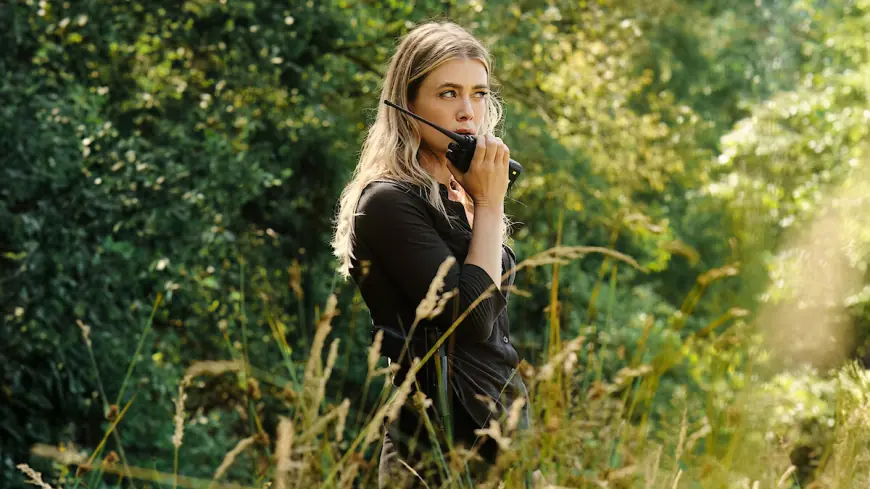
The Hunting Party centers on FBI profiler Rebecca “Bex” Henderson, a driven lead who heads a specialized task force charged with tracking down the nation’s most dangerous serial offenders. Those killers were believed dead or permanently contained, but the series opens on the reveal that several escaped from a secret underground detention facility nicknamed "The Pit. " That breach sets the show’s core engine in motion: a team that scrambles to locate fugitives before they strike again while untangling the conspiracy that allowed the breakout.
Melissa Roxburgh anchors the series as Bex, bringing a mix of steel and vulnerability to a character whose forensic instincts clash with the emotional toll of hunting monsters. The show adopts a hybrid procedural format—most episodes present a discrete hunt or case so casual viewers can jump in, but broader arcs about the prison break and inter-agency politics unfold across multiple episodes and seasons. Twists and red herrings are frequent; the narrative aims to keep viewers guessing about motives, cover-ups and which characters can be trusted.
Release timeline and where it stands now
The series premiered in January 2025 (ET) and earned an early renewal in May 2025 (ET). Its second season began airing in January 2026 (ET), expanding the conspiracy threads and raising the stakes for Bex’s team. More recently, the show saw a surge in visibility after becoming available on a major streaming service, propelling it into that platform’s Top 10 list where it climbed into the top tier of weekly viewership charts.
That streaming window has broadened the audience well beyond the show’s initial broadcast viewers, turning what started as a solid network procedural into a conversation piece across social feeds and fan communities. The dual life—linear broadcast for first runs, then a streaming afterlife—has helped the show sustain momentum between seasons.
Critical and viewer response: why audiences keep tuning in
The Hunting Party has landed comfortably with both critics and mainstream viewers, with many praising its mix of procedural satisfaction and serialized payoff. Review aggregators show generally favorable scores in the 80s range, and audience feedback highlights the show's pacing, twist-driven plotting and the central performance as key assets.
Fans often point to the show’s ability to balance standalone episodes with an escalating long-form mystery. For viewers who enjoy series where each installment resolves immediate danger while also advancing a season-long conspiracy, this one hits that sweet spot. Critics have noted the competent direction and brisk scripting, while also pointing out occasional reliance on familiar genre beats—but even detractors concede the show is effective at delivering suspense.
Beyond the mechanics, part of the series’ appeal is its emotional core: Bex’s personal investment and the team’s chemistry make procedural set pieces feel consequential. That human thread helps the series avoid feeling like a purely puzzle-driven exercise; instead, it foregrounds the toll of hunting predators and the moral compromises institutions may make in the name of containment.
For viewers hunting for a new crime procedural that mixes batch-of-the-week thrills with serial mythology, The Hunting Party presents a compelling blend of tension, character work and mystery. With a renewed season and a growing streaming presence, the show looks poised to remain a topic of discussion as it expands its world and deepens the central conspiracy.