
























Olympic Shake-Up: isabeau levito, Amber Glenn and the Tight Women’s Podium Race

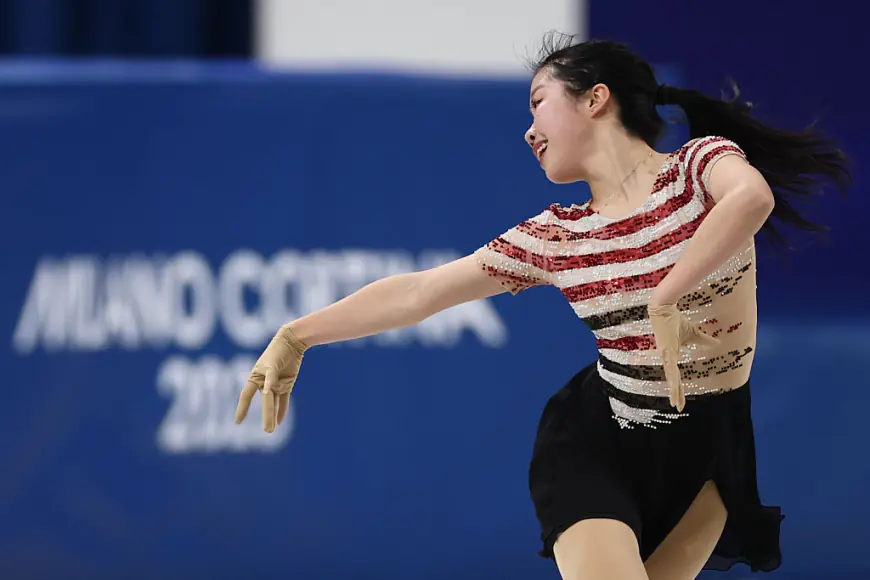
Amber Glenn’s emotional exit from the women’s short program on Tuesday, Feb. 17, 2026 (ET), altered the landscape of the Olympic ladies’ event and intensified an already tight fight for the podium. The U. S. national champion executed one of the day’s biggest moments — a textbook triple Axel — only to see the momentum collapse on a later jump that left her well short of the medals. Meanwhile, isabeau levito and other contenders put together cleaner short programs that kept their medal hopes alive heading into the free skate.
Glenn’s dramatic swing: from triple Axel high to costly invalid element
Glenn opened her routine with one of only a couple of triple Axels performed in the short program, landing it solidly and electrifying the arena. She followed with a triple flip–triple toe combination that looked to build a podium bid. But the program unraveled on the triple loop that followed: the jump was under-rotated and popped into a double, which under the scoring rules rendered the element invalid and yielded no points.
The mistake cost Glenn an estimated seven to eight points and dropped her to 13th place with a score of 67. 39. The skater was visibly upset as she came off the ice, telling her coach, "I had it, " and later sharing a short social media message that read, "The world has ended for me many times and yet tomorrow still comes. Keep going. " That resolve will be tested again when the free skate takes place on Thursday, Feb. 19, 2026 (ET).
Glenn’s disappointment follows an earlier tough outing in the team event at these Games, where she finished behind a pair of strong competitors. The team event still yielded a gold for her delegation after a dominant men’s performance, but Glenn’s individual chances were clearly more fragile going into the short program.
isabeau levito and others: cleaner programs keep pressure on leaders
isabeau levito skated a competent short program that prioritized consistency over extreme difficulty. While her layout did not feature the highest-risk jumps, it was solid and left her in position to challenge in the free skate. That strategy contrasts with Glenn’s aggressive technical approach and underscores the trade-off many skaters face: attempt harder elements that could vault you up the standings, or secure base points with fewer errors.
Japan’s Ami Nakai took the early lead after the short, with Kaori Sakamoto also near the top. Alysa Liu of the United States delivered a clean program and remained in medal contention, offering the U. S. another strong chance when the long program begins. Japan’s depth — multiple skaters finishing near the top — means the nation could claim more than one spot on the podium, depending on how the free skate unfolds.
What to watch heading into the free skate
Thursday’s free skate brings more than double the scoring opportunity, which means standings can shift dramatically. Watch for these factors:
- Jump selection vs. execution: skaters who balance high-difficulty elements with reliability will be at an advantage. A single popped jump or under-rotation can erase the benefit of a risky layout.
- Component scores and program stamina: long programs test endurance, interpretation and transitions, so clean artistry can offset a small technical deficit.
- Mental recovery: athletes who can move past mistakes quickly, as Glenn vowed she would, often skate more freely in the long program. Conversely, lingering frustration can sap performance quality.
With the free skate scheduled for Thursday, Feb. 19, 2026 (ET), the next 48 hours will be crucial for adjustments and mental preparation. The short program drama in Milan has left the women’s field wide open — and the final night of competition promises a tense, and potentially surprising, conclusion to the Olympic ladies’ event.