











Why the wuthering heights movie Is Prompting Fresh Debate Over Tone, Casting and Fidelity

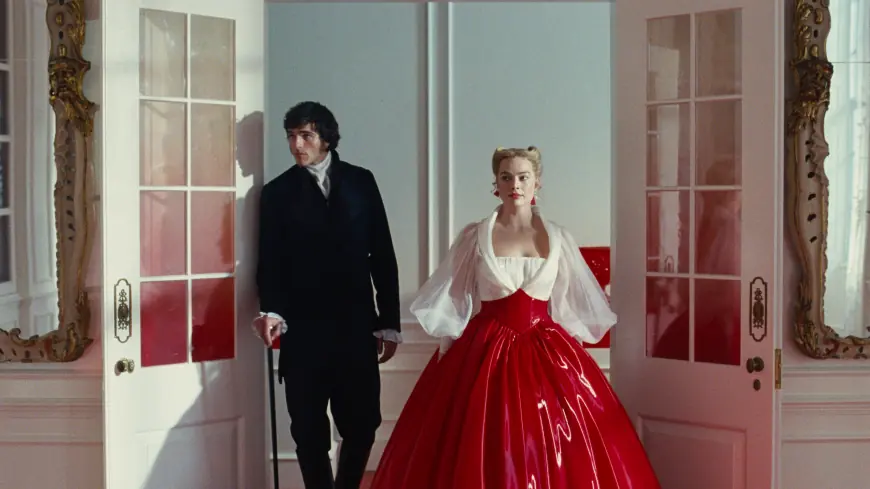
Emerald Fennell’s highly anticipated adaptation of Emily Brontë’s Wuthering Heights opened over Valentine’s weekend in February 2026 (ET) and has produced a sharp divide between viewers who embrace its brazen sensuality and those who say it sacrifices the novel’s peculiar, destructive heart. The film’s aesthetic choices, casting and approach to the book’s moral complexity have become the focal points of discussion as audiences weigh whether this is a reinvention or a domestication.
From gothic fury to glossy fantasy: critics say the novel’s edge is blunted
Many early critics and readers argue that the movie softens the book’s corrosive intensity. The original novel is familiar for its nested narratives, feral characters and a portrayal of love that is as ruinous as it is transcendent. That duality—where obsession destroys whole households but also endures across generations—is central to why the story has remained unsettling for nearly two centuries.
Fennell has presented her work as a fantasia that isolates a fragment of the source material. Visually and tonally, the film leans into overt eroticism and stylized production design: flesh‑toned wall coverings, latex costumes and other provocative motifs that telegraph sensuality at every turn. For some viewers, these choices read as showy and surface‑level, emphasizing sex appeal while downplaying the characters’ monstrous impulses and the novel’s grim social realities.
Detractors say this approach removes the novel’s moral texture. Heathcliff and Catherine in the book are not simply tragic lovers; they are agents of cruelty who wreak havoc on those around them. By smoothing those edges—presenting a prettier, less culpable version of the pair—the film risks turning a story of destructive devotion into a conventional romance. For readers who prize the novel’s strangeness, that trade‑off is unforgivable.
Casting, race and audience reactions: an intense cultural conversation
The movie’s casting has been another flashpoint. The choice of a conventionally handsome actor for Heathcliff has renewed complaints about whitewashing and erasure of the character’s racial ambiguity as described in the source text. For many, Heathcliff’s outsider status and the novel’s treatment of ethnic otherness are integral to his motives and to the narrative’s social critique. Presenting him as an idealized romantic lead makes those dynamics harder to read on screen.
At public screenings, reactions have been emphatic and polarized. Some viewers have embraced the film’s erotic energy, applauding its boldness and the chemistry between the leads. One early audience described a jubilant, even celebratory reaction among mostly female viewers at a private screening on Feb. 13, 2026 (ET), underscoring how the film is striking emotional chords for some modern viewers who see it as a fantasy of desire. Others have pushed back, arguing that the same elements that excite one crowd—glossy production, pop‑heavy soundtrack choices and conspicuous sensuality—bleach the moral ambiguities readers expect.
The soundtrack and visual flourishes have also drawn notice. A contemporary pop score and hyper‑designed interiors place the story in a conspicuously modern register, inviting comparisons to mainstream romantic dramas rather than to the raw, bleak world that Brontë created. That framing matters: when the film presents its leads as victims of fate more than as architects of harm, it reshapes the book’s fundamental argument about love and culpability.
Fennell’s film has already ignited an argument common to many adaptations: should filmmakers honor the unsettling, uncompromising elements that make a novel memorable, or is reinvention a legitimate way to bring classic texts to new audiences? The answer will likely divide viewers for months. For purists, the film fails to carry Brontë’s essential strangeness; for others, it is a permissible, even exhilarating reimagining that foregrounds desire over doom.
As the film continues its theatrical run and becomes eligible for awards conversation, the cultural debate is likely to intensify. Whether the adaptation will be judged a successful translation of a canonical text or a misfire that tames its source remains an open question—one that will be shaped as much by future viewers as by the critics who saw it first.