
























How a Sesame Street Moment Resounded: jesse jackson children and the ‘I Am! Somebody!’ Call

Jesse Jackson’s death on Tuesday at 84 reopened public memory of one of his most tender, enduring gestures: a 1972 visit to Sesame Street in which he led children through a call-and-response that ended in the simple, declarative chant “I am! Somebody!” The brief segment distilled a lifelong mission — to insist that people, including the youngest and most vulnerable, are entitled to dignity and voice.
A stirring visit to children’s television
On the set, a young Jackson sat on a brownstone stoop before a multiracial group of children. In an unadorned classroom tone rather than a rallying cry, he invited them to answer back. The children — some boisterous, some shy — echoed the refrain, declaring identities and needs: that they were Black, Brown and White; that some spoke different languages; that some families received welfare. The chant affirmed worth in a society that too often withholds it.
The moment remains striking because it treated children as full people, not future adults. They were asked to claim belonging and respect now, not later. That lesson — personal dignity as the foundation of education and democracy — was the point. The scene suggested that a civically vibrant classroom can begin with the simple act of listening to children as citizens with intrinsic value.
From the stoop to broader legacy
Jackson’s Sesame Street appearance is just one thread in a long career built around populist outreach and affirming personhood. He carried the same message into rallies and into public life: people gain power when they recognize their worth and raise their voices together. Watching the children on that set today invites reflection on how those lessons fared as the kids grew into adults amid uneven progress toward equality.
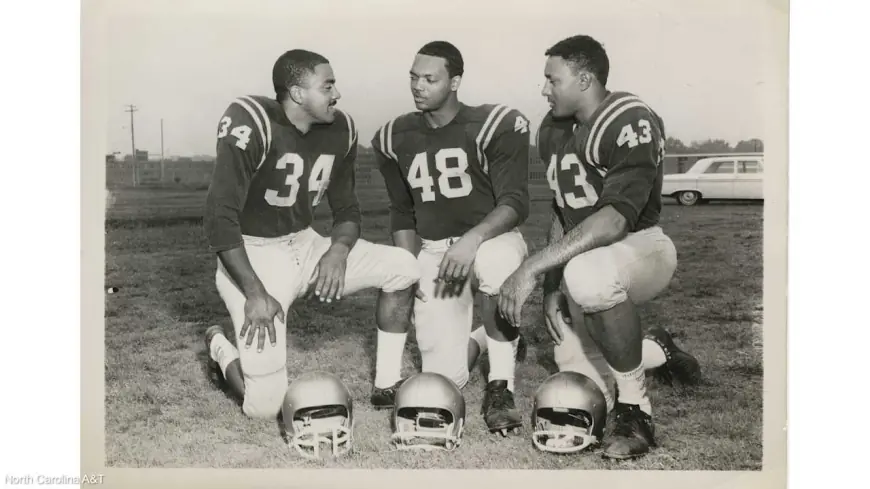
Beyond television, Jackson’s life intersected with other corners of public life. He had longstanding ties to football — he played quarterback at North Carolina A&T, was honored in his university’s sports hall of fame, and remained a devoted Chicago Bears fan. Those civic and cultural connections underscored his belief in common ground and community institutions as platforms for change.
More than half a century after the Sesame Street segment aired, its candid language — references to faith, welfare and concrete experience — feels rarer in mainstream children’s programming. Yet its core lesson endures: instilling in children a sense of being somebody is an act of political and moral education. The chant’s power was never in rhetoric alone but in the way it summoned collective affirmation from the smallest voices in the room.
Jackson’s passing prompted many to recall the clip not as a nostalgic artifact but as a reminder of what inclusive, public-facing education aimed to achieve: accessibility, representation and the assertion that every child already belongs. For viewers who watched that day in 1972, the memory of a leader kneeling and listening to children remains a potent lesson about respect and the democratic impulse to lift up voices that are often marginalized.
As communities and institutions reckon with how to teach civic identity, the simplicity of that Sesame Street moment—children saying, plainly, that they matter—offers a model. It is a reminder that movements are nourished by small acts of recognition, by the children taught to begin with the sentence “I am. ”