





















look mum no computer eurovision song — UK picks electronic inventor for Vienna 2026

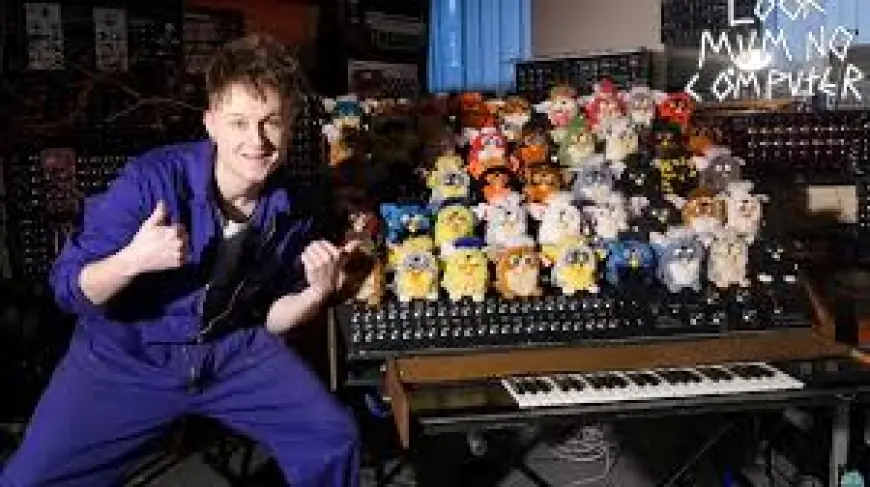
Electronic musician, inventor and content creator Look Mum No Computer has been selected to represent the United Kingdom at the Eurovision Song Contest in Vienna in May 2026. The Kent-based artist, known offstage as Sam Battle, promises a distinctive, machine-driven performance built from years of experiments with homemade synths and oddball instruments.
From garage tinkerer to a national stage
Sam Battle began his musical career fronting an indie band before pivoting to electronic music and experimental instrument-building. He has amassed a substantial online following by documenting the construction and performance of unusual devices — organs assembled from Furby toys, Game Boys repurposed to play century-old church organs, synthesiser-equipped bicycles, and even flame-throwing keyboards. He also holds a Guinness World Record for building the world’s largest drone synthesizer and runs a small museum in Ramsgate devoted to experimental and obsolete musical technology.
"I find it completely bonkers to be jumping on this wonderful and wild journey, " he said, describing his surprise at being selected. "I have always been a massive Eurovision fan, and I love the magical joy it brings to millions of people every year, so getting to join that legacy and fly the flag for the UK is an absolute honour that I am taking very seriously. " Battle says he will bring the same DIY ethos and attention to craft that have driven his online projects to the Eurovision stage.
What the performance might look and sound like
Details of the song have not been released, but Battle has indicated that the entry will lean on original instrument design and electronic textures. He has described his work as creating, writing and producing visions from scratch and documenting the process — a habit that suggests Eurovision viewers can expect a tightly staged show built around bespoke hardware as much as a vocal performance.
Battle has promised to "bring every ounce of my creativity to my performances, " adding: "I can't wait for everyone to hear and see what we've created. I hope Eurovision is ready to get synthesized!" Given his track record, that could mean anything from chiptune-inflected passages played on modified handheld gaming devices to visual theatre centred on analog synthesis and mechanical sound-makers. The selection team indicated that they wanted an entry with bold vision and a distinctive sound that would stand out on an international roster.
Context and expectations ahead of Vienna
The decision to pick a left-field electronic inventor reflects a wider appetite for experimentation at the contest this year. The UK has struggled for consistently high placements in recent contests, and this choice signals a willingness to take creative risks rather than repeat older strategies. With the final scheduled for May 2026 in Vienna, the entry will join a field of acts that have increasingly embraced theatricality, novelty and genre-blending.
Public and bookmakers' reactions are likely to be mixed: some viewers will celebrate the UK sending an act who personifies audacity and invention, while others may question whether a highly idiosyncratic performer will translate into broad appeal across the contest’s diverse voting base. For Battle, the remit is clear — to create something unmistakably his own and present it on one of popular music’s most visible live stages. Whether that experimental approach will translate to points remains to be seen, but it guarantees that the UK’s offering for Vienna will be one of the contest’s talking points in the run-up to May 2026.