


















What Would Carolyn Bessette Kennedy Have Thought of the New Calvin Klein? (carolyn bessette kennedy)

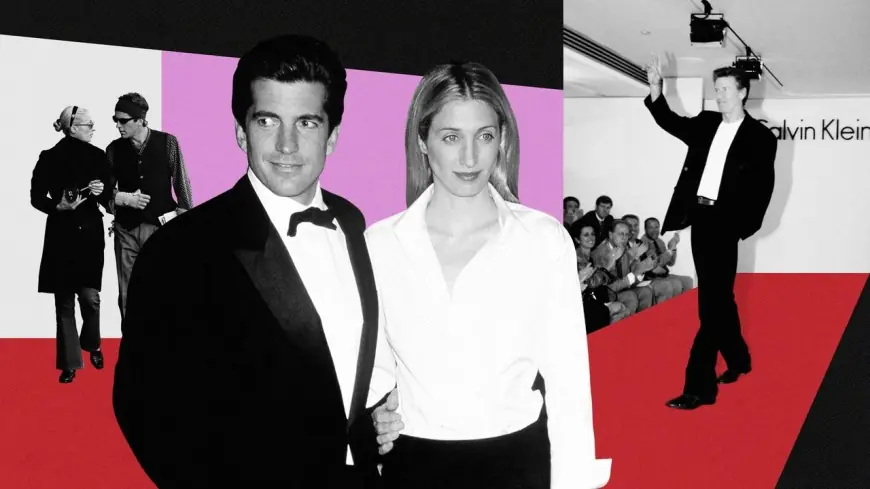
Ryan Murphy’s limited series Love Story premiered on Feb. 12, 2026 (ET), and the timing could not have been stranger: the same night, a high-profile Calvin Klein show opened in New York. Both productions draw on the aesthetic legacy of Carolyn Bessette Kennedy, but they diverge sharply in how they imagine and reuse that influence.
Television reanimates a 1990s look
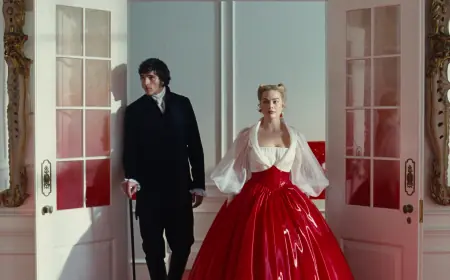
The new series leans hard into the visual shorthand that made Bessette Kennedy an icon: severe lines, spare silhouettes, and that understated, almost strategic cool that turned basics into statements. Production and costume teams rebuilt a late-20th-century Manhattan of clean palettes and controlled clutter, giving viewers a neat, glamorized view of the places the couple inhabited. The recreated Calvin Klein offices on screen—glass brick, marble and chrome—became a keystone for the show’s version of New York, emphasizing how workplace design and fashion sensibilities once fed one another.
That reconstruction feeds into a larger cultural conversation about ownership of image. Descendants and relatives have pushed back, arguing that dramatizing intimate tragedy can feel exploitative. The creator of the series defended the work and its choices, even as critics and members of the family questioned whether television can ever properly translate private grief into popular narrative. The debate is now part of the story: the legend of a couple is being aired, styled, rehearsed and sold on screens and runways alike.
Calvin Klein’s runway chooses a different memory
On the runway, the brand’s creative director opted not to mine the familiar 1990s minimalism that the series so carefully evokes. Instead, she said the collection looked back to the late 1970s and early 1980s—an era before the label’s pared-down iconography fully settled. The result felt intentionally uneven: moments of high polish and period detail were followed by experimental gestures that read as attempts to rework what the brand once meant.
Design signals included stripped-down suits with cutaway sleeves, backless tailoring that revealed slips beneath, and racer-back tank dresses with unexpectedly intricate beadwork. The collection seemed to be testing whether the vacuum left by ubiquitous ’90s nostalgia could be filled by a pre-minimalist reinterpretation. That choice also illustrates a commercial reality: when a cultural moment is revived on screen, other designers and labels rush to reinterpret or commodify those cues, which can fragment the visual territory the original wearer once claimed.
Style, legacy and the risks of revival
What unites these moments—the series, the runway and the accompanying design coverage—is a shared anxiety about stewardship. Bessette Kennedy’s style was subtle power dressing: clothes that diminished glare and amplified presence. When contemporary creators revive that look, they must decide whether to honor the reticence and restraint or to rework it into attention-getting variation.
The current moment shows both impulses in play. On screen, costume and set designers recreated a tidy, myth-friendly version of the past; on the runway, a brand with historical ties to the figure chose to revisit an earlier, less codified moment of its own past. Each project makes claims about what the aesthetic meant and what it ought to mean now—claims that are contested by family members, designers, and the public alike.
Ultimately, the renewed fascination with Carolyn Bessette Kennedy’s look is less about faithful reproduction than about negotiation: between nostalgia and reinvention, between private memory and public spectacle, and between the marketing of style and the stewardship of legacy. If the past taught anything, it is that an image can be both quietly specific and wildly contagious—and that once it’s back in circulation, many hands will reach for it.