



















Is charles bronson on the verge of freedom? Parole review resumes Feb. 18, 2026 ET

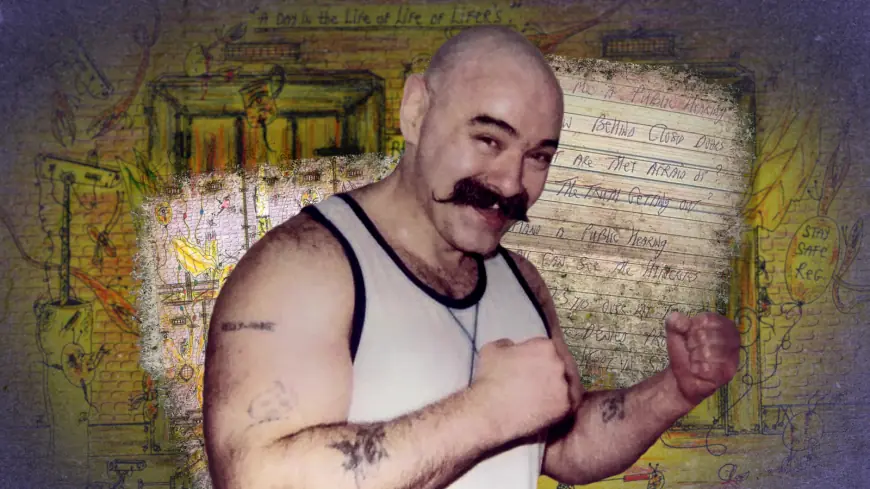
Today a parole panel meets to reassess the case of Charles Bronson, the 73-year-old inmate who has spent more than half a century behind bars. The written review will weigh decades of violent incidents and mental-health assessments against claims of rehabilitation, his creative work in custody and his own public statements — including a recent letter in which he declared he had "sacked the legal team" and questioned the fairness of the process.
What the Parole Board will consider
The current review is mainly a paper exercise: panel members will examine submissions from prison staff, psychiatrists, probation officers and Bronson's legal team. Their task is narrow but consequential — to determine whether the risk he poses to the public can be managed outside closed conditions. Outcomes range from immediate release to a recommendation for transfer to an open prison, or a decision to delay and request an oral hearing where the inmate can be questioned in person.
Because this is Bronson's ninth appeal to the board, the panel will pay close attention to any new evidence of stable behaviour or risk, and to the assessments of clinical professionals. The review may also rely on past reports detailing repeated violent incidents that have extended his time in higher-security segregation.
Behaviour, history and a fraught legal stance
Bronson was first jailed in 1974 for armed robbery and has largely remained in custody since, apart from two brief periods out on licence. A string of violent episodes in prison led to a life sentence in 1999 after he took a prison art teacher hostage; his most recent conviction dates from 2014 for assaulting a prison governor. Much of his sentence has been served under segregation or in very restricted conditions.
Shortly before this review he dismissed his legal team and indicated he would not participate in a potential oral hearing, channelling long-standing mistrust of the parole process. He has asked why the system would refuse a public hearing and suggested officials are afraid of "the truth getting out. " Mental-health professionals who have worked with him warn that anger is a predictable reaction after decades in isolation, but say that the board can still proceed on the basis of written material.
One psychiatrist who treated him decades ago described Bronson's anger as understandable given his history and the conditions he has endured, and noted that the parole panel can and does make decisions without the inmate's direct testimony.
Art, identity and the question of rehabilitation
In recent years Bronson has sought to recast himself in a different light, taking up painting and poetry and changing his name to Salvador. He has joined in exhibitions that showcase his work and highlighted the influences and fellow prisoners who have populated his canvases. He has spoken publicly about having "no regrets" and retaining "hope, " while also reflecting on the brutal realities of long-term confinement.
Supporters who have seen his art describe a clear evolution: earlier pieces focused on stark confinement imagery with heavy white space, while later works are more colourful, densely populated and multi-layered, incorporating figures he says he encountered inside. He has also spoken of brief friendships and encounters with notorious fellow inmates over the decades, describing some of those relationships in fond, if complicated, terms.
The parole panel's decision will hinge on whether documented changes in Bronson's conduct and creative output amount to reliable evidence of reduced risk. Whatever the outcome, the ruling will mark another significant moment in a legal saga that has stretched across more than five decades and prompted wider debate about long-term segregation, rehabilitation and the limits of the penal system.