

























Mikaela Shiffrin Tops First Run in womens slalom 2026, Holds Commanding Lead into Final

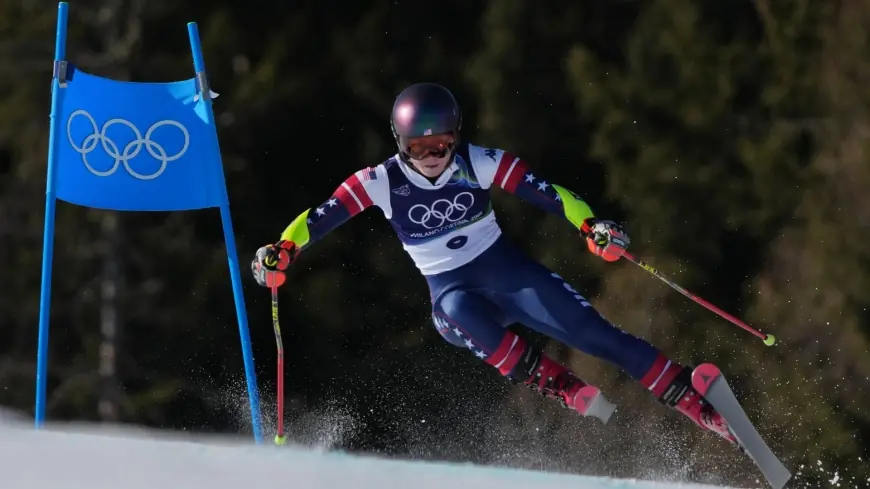
Mikaela Shiffrin delivered a blistering first run in the women’s slalom on Wednesday (ET) at Tofane, posting a 47. 13 that left her 0. 82 seconds clear of Germany’s Lena Duerr and in prime position for a final run that could end an eight-year Olympic medal drought.
Flawless pace with a scare
Starting seventh on a course Team officials had described over the radio as a “high-tempo ripper, ” Shiffrin ripped out of the gate and posted the fastest opening segment among the field’s top athletes. Her line was aggressive and precise, and even after a mid-run stumble when she struck a gate she recovered instantly. The stumble threatened to derail the run for a moment, but she steadied her hips and legs and regained the rhythm that has produced more than 70 slalom victories in her career.
When the clock read 47. 13, Shiffrin pumped her first in a rare public display of emotion. “I felt like I nailed it with some question marks, but the time was good, ” she said, adding that she went into the run with “big energy. ” The performance underscored why slalom remains her signature event: in World Cup competition this season she had already secured a dominant season title in the discipline.
The challengers and the margin for error
Germany’s Lena Duerr sits second after the opening run, with Sweden’s Cornelia Oehlund third, exactly one second off Shiffrin’s pace. Switzerland’s Camille Rast is fourth, 1. 05 seconds back, followed closely by Wendy Holdener. Those gaps are meaningful in slalom, but nothing that can’t be erased with an aggressive, clean second run.
Conditions were crisp and bright for the first run, and course setters left a tempo that rewarded precision and commitment. The second run will shuffle the field and place a premium on nerves and split-second timing; racers starting lower in the order will know the times they must chase, while the lead group will need to balance aggression with caution to avoid costly mistakes.
What’s at stake and the bigger picture
This is Shiffrin’s final race of these Games and a chance to rewrite the narrative that has shadowed her since a winless showing four years ago. A medal here would be her first at this edition of the Games and would mark a return to the Olympic podium after near misses in other events: a fourth-place finish in the alpine combined after a slow slalom leg and an 11th-place result in the giant slalom earlier in the week.
Beyond personal redemption, a podium in the slalom would reinforce the long-standing view of Shiffrin as one of the sport’s all-time greats. She first took Olympic gold in slalom as a teenager and has since built a career defined by technical mastery and an uncanny ability to remap tempo and edge under pressure.
With the second run still to come, the event has all the ingredients of a classic: a dominant favorite carrying momentum, a tight group of challengers within striking distance, and the unpredictable course that can produce both triumph and heartbreak in the space of a single descent. The final run will determine whether Shiffrin converts a commanding first effort into Olympic hardware or whether a challenger seizes the moment on the steep, technical Tofane pitch.
Final results and medal decisions will be settled in the afternoon session of the second run, when racers will return to the course looking to either defend a lead or mount an assault in pursuit of the podium.