














Lunar New Year 2026: global festivities as lunar new year ushers in the Fire Horse

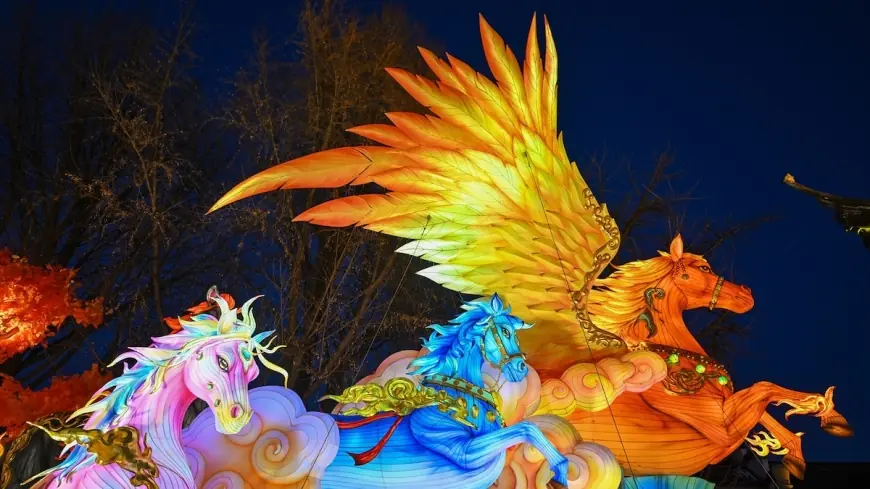
Millions of people around the world are marking the start of the lunar new year, a 15-day festival that begins with the first new moon of the lunisolar calendar. Celebrations have lit up streets from Asia to South America, with public parades, temple rituals and family gatherings centred on the rare return of the Year of the Fire Horse.
Global scenes: parades, rituals and public displays
City centres and neighbourhoods filled with colour as lion and dragon dances, fireworks and lantern displays returned to full strength. In major urban hubs, large-scale street parades drew crowds who lined roads to watch performers in traditional costume and hear pounding drums and cymbals. Smaller communities staged temple ceremonies and communal feasts where elders gave blessings and younger family members received symbolic gifts.
Merchants and households adopted the bright fire-hued motifs tied to this year's element: red and orange banners, stylised horse imagery and specially designed envelopes for monetary gifts. Public squares hosted cultural showcases — music, acrobatics and calligraphy sessions — while many cities extended holiday programming across the opening weekend to accommodate visitors and diaspora communities.
The Year of the Fire Horse: symbolism and what to expect
This cycle pairs the horse, a symbol of movement, independence and stamina, with the fire element, which traditionally amplifies energy and rapid change. The combined sign appears once every 60 years and carries cultural associations with ambition, risk-taking and accelerated developments. Many households embraced the symbolism with decorations and resolutions tied to bold action and personal goals.
Folklore that surrounds the Fire Horse varies by region, but common themes include an emphasis on resilience and forward momentum. Celebratory messaging in communities urged a balance between seizing opportunities and avoiding impulsivity: the horse’s speed can bring sudden advances but also requires steady endurance to secure lasting success. Festival goods — from paper art to greeting cards — highlighted these themes, making the fire horse motif ubiquitous across markets and celebrations.
Travel, commerce and public safety during the festival
The holiday period traditionally prompts large-scale travel as families reunite, creating spikes in transport demand and busy tourist sites. Authorities in several cities announced enhanced public transport schedules and extended venue hours to cope with crowds. Cultural venues, museums and parks reported heavier-than-usual attendance, and local businesses benefitted from a surge in spending on food, gifts and decorations tied to the festival.
Organisers also highlighted public safety measures: crowd control at major events, restrictions on certain types of fireworks in dense urban districts, and advice for travellers to plan ahead for peak congestion. Health officials in some regions urged people to follow standard precautions at large gatherings and to be mindful of weather-related disruptions during outdoor performances.
As the 15-day festival unfolds through February 20 (ET), civic calendars remain full of events that blend ancient ritual with contemporary spectacle. For many, the Year of the Fire Horse is a moment to celebrate continuity and renewal, while others see it as an invitation to embrace momentum and change in the year ahead.