

























pam bondi’s combative hearing deepens fallout over mishandled Epstein files

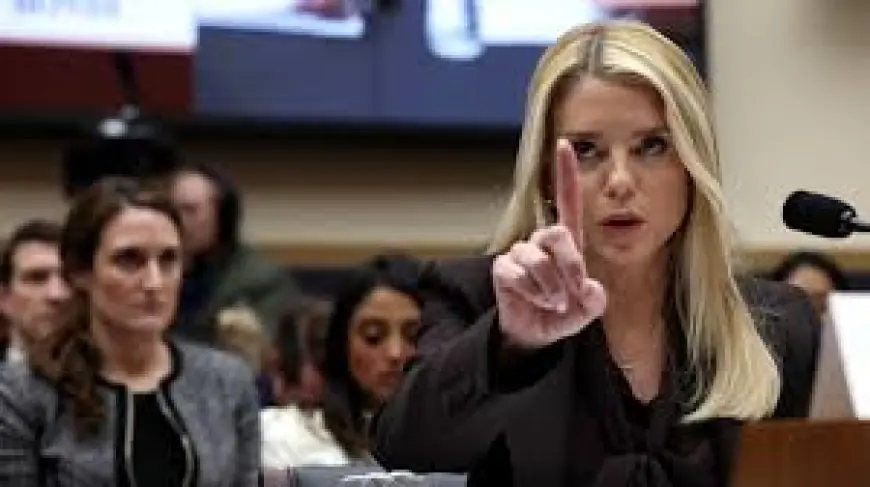
The House Judiciary Committee’s recent session turned into a raw display of anger and disappointment as Attorney General Pam Bondi faced questions about the Justice Department’s handling of documents tied to Jeffrey Epstein. Survivors sat in the gallery while lawmakers pressed for accountability after a release that exposed unredacted images and left major redactions protecting wealthy, unnamed figures.
Confrontation on the record
Bondi’s appearance in the committee room escalated tensions rather than defused them. When asked to offer an apology to the victims for the department’s mistakes, she refused and instead demanded an apology to the president from Democratic members. Her remarks included personal barbs aimed at members of both parties; she called the ranking member a “washed-up, loser lawyer” and derided a lawmaker who had pushed for document release as a “failed politician. ” At one point she referenced the stock market in a response that many observers found out of place for the proceeding.
The combative tone of the session amplified broader questions about leadership at the Justice Department. Victims who have waited decades for clarity attended the hearing seeking acknowledgment and protection; their presence underscored the human cost of procedural failures. Rather than providing reassurance, the exchange left lawmakers and survivors with the impression that the department prioritized rhetoric and political defense over a sober, victim-centered handling of sensitive material.
Files exposed, privacy shattered
The technical and administrative failures that followed the document release have drawn sharp criticism. The department’s upload included dozens of unredacted images, some of which were described as nude photographs of young women and potentially minors. Survivors testified that such exposure amounted to a new betrayal, compounding trauma for people who had already been failed by prior investigations.
At the same time, the release demonstrated what critics called selective protection: a large portion of the files remained heavily redacted, obscuring the names of several wealthy and influential men. Lawmakers who reviewed the documents have noted that roughly four out of five pages remain hidden, fueling concerns that political considerations, rather than a consistent privacy standard, drove redaction choices. That imbalance has intensified accusations that the release functioned as a weaponized document dump—disclosing material that could embarrass or harm victims while shielding elite figures from scrutiny.
Accountability questions linger
Lawmakers pressed the department on why the release was delayed for months and why safeguards failed when the files went public. Bondi had the authority to make materials public earlier but only moved after congressional pressure. The aftermath—unintended exposure of victims and heavy redactions protecting others—has sparked calls for a thorough review of the department’s processes for handling sensitive materials, including chain-of-custody procedures, review protocols and victim-protection standards.
For survivors and their advocates, the immediate priority remains mitigation: removing exposed images where possible, tightening release protocols, and establishing clearer lines of responsibility so errors of this magnitude cannot recur. Lawmakers signaled they will continue to probe both the content of the files and the choices that shaped their release.
The hearing showcased a Justice Department leadership under intense scrutiny. Whether the session marks a turning point toward accountability or becomes another moment of political theater will depend on concrete steps taken in the coming weeks to repair damaged trust and to prevent further harm to those the system was supposed to protect.