






















bombay meeting: India presses France to boost India-made content in Rafale follow-on deal

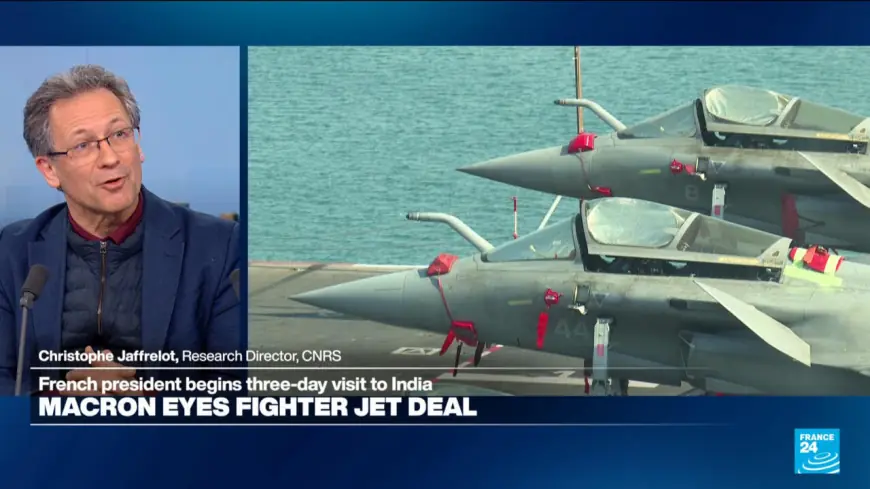
In a focused push on industrialising defence production, Indian leaders used a high-level visit in Bombay on Feb. 17, 2026 (ET) to press France for greater India-made content in any follow-on Rafale fighter-jet agreement. The discussions came as the two countries signalled expanding cooperation across defence manufacturing, technology and supply-chain integration.
Defence pitch: more India-made components in Rafale follow-on procurement
India’s defence leadership made clear that any new Rafale procurement should include a substantially higher proportion of parts and systems manufactured in India. The demand reflects New Delhi’s ongoing drive to deepen domestic defence industrial capacity and to secure broader technology transfers and local jobs tied to major foreign contracts. Officials framed the push as part of a long-term strategy to shift higher-value avionics, subsystems and maintenance work to Indian industry rather than limiting local participation to low-value supply lines.
The talks touched on a potential large follow-on package of French fighters that industry observers estimate could number in the triple digits. New Delhi seeks contractual guarantees and a clear roadmap that would bind future suppliers to ramp up localisation during production and over the lifecycle of the aircraft, including sustainment, spares and upgrades.
Broader visit highlights defence, industry and technology ties
The bilateral agenda in Bombay went beyond jets. Leaders inaugurated a final assembly line for a light helicopter model in Karnataka, marking the first private-sector helicopter production facility of its kind in the country. That joint venture, which pairs Indian private manufacturing capacity with foreign aeronautics technology, is being held up as a template for future defence industrial projects—combining transfer of skills, local supply-chain growth and job creation.
The visit reiterated a shared interest in strengthening strategic ties as global alignments shift. Officials emphasised cooperation in areas ranging from advanced aeronautics and artificial intelligence to maritime security. Defence procurement discussions now sit alongside dialogues on trade, investment and technology partnerships, all aimed at creating a more resilient, diversely sourced industrial base for India.
Geopolitical and industry implications
Greater localisation in an additional Rafale deal would reshape supplier relationships and create fresh opportunities for Indian integrators and component makers. Contractors that secure higher-value work could see multi-decade maintenance and upgrade horizons, but such transitions will require certified manufacturing practices, stringent quality control and coordinated timelines between ministries and industry.
Analysts caution that a substantial pivot toward Western platforms may necessitate diplomatic and logistical steps to manage India's existing defence relationships with other partners. Officials are likely to balance the strategic benefits of diversifying suppliers with practical arrangements to ensure interoperability and sustainment for legacy systems.
For France, agreeing to an expanded India-made component share would advance its maker-to-maker ties in the Indo-Pacific, deepen industrial cooperation and cement a long-term footprint in a key Asian market. For India, the objective remains clear: convert procurement into a vehicle for domestic industrial growth, employment and technological upgrade—so that future fighter deals deliver value well beyond the aircraft themselves.
Negotiations and technical discussions are expected to continue in the months ahead, with industry teams from both sides tasked to map out specific workshare, certification pathways and timelines that could turn political commitments into executable defence-industry projects.