
















Tottenham turn to igor tudor with warning: 'no time for excuses'

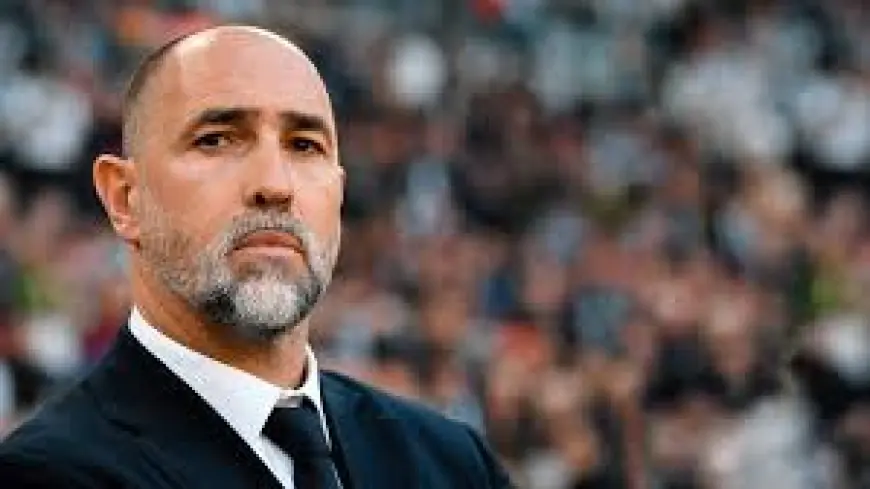
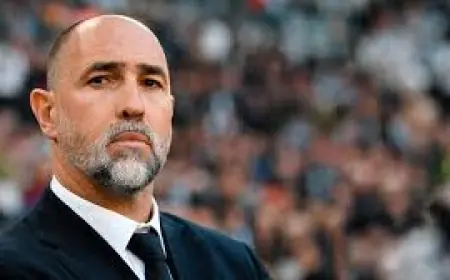
Tottenham have appointed igor tudor as interim head coach until the end of the season, with the Croat insisting the squad must abandon excuses and deliver rapid improvements as they battle to escape a perilous Premier League position.
Immediate priorities: calm, clarity and confidence
Tudor, 47, arrives with a clear short-term brief: stabilise performances, lift results and inject belief into a squad that has slipped worryingly close to the relegation places. He has made clear that time is limited and that the first order of business is restoring confidence and courage among players who have struggled for form.
He has emphasised training as the foundation for change, setting out plans to tailor work to the players who are available and to install both a tactical plan and the mental resilience required to execute it. Tudor framed his task in stark terms: the current league position is unacceptable to the club and its supporters, and every member of the squad must give something extra to reverse the slump.
Injury crisis and tactical adjustments
The squad arrives at Tudor's doorstep significantly weakened by injuries, with more than a handful of first-team players sidelined. That reality will force pragmatic choices about formation and personnel: Tudor has signalled he will pick systems that suit the players who can play now rather than impose an idealised setup that the current availability cannot support.
Repairing confidence is as much a tactical task as a psychological one. Tudor has a reputation for organising teams quickly after mid-season appointments and for extracting immediate improvements by imposing intensity and clear principles. He has said the club must retain its stylistic identity while being flexible about systems, and that the coaching staff must find the best way forward in a condensed timeframe.
Fixture test and broader context
Tudor's first game in charge is scheduled at home against a major rival on 22 February (ET), a high-pressure debut that will provide an early barometer of whether the new approach can take hold. The calendar offers limited time: with around a dozen league matches remaining, each result will have immediate consequences for the club's standing.
Domestic form has faltered, but the club's season is not without other commitments; they remain involved in European competition with knockout ties due to resume in March (ET). Balancing recovery in the league while managing players for continental fixtures will be a key test of Tudor's short-term management and squad rotation strategy.
As he begins work, Tudor brings experience from several top-level jobs and a track record of stepping into challenging situations mid-season. His message has been direct: there is no room for excuses, and the collective response—on the training ground and on matchdays—must be immediate and tangible if the club is to climb out of its current predicament.
Supporters will expect visible change quickly. Tudor's early weeks will determine whether his methods can halt the slide and provide enough momentum to secure Premier League safety while keeping ambitions alive across all fronts.