













wuthering heights movie: Fennell’s Fantasia Splits Critics and Audiences on Opening Weekend

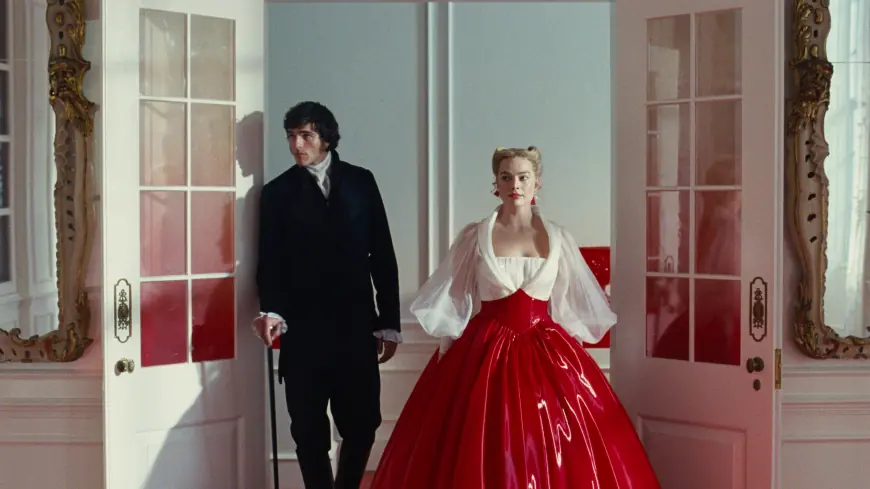
The new film adaptation opened the weekend of Feb. 14, 2026 (ET) and has immediately become a cultural flashpoint. Director Emerald Fennell has recast the 1847 gothic novel as a highly stylized fantasia, trading some of the book’s raw cruelty and structural strangeness for overt eroticism, provocative production design and glossy star turns. The result has polarized viewers: some applaud the bold aesthetic gambit, while others say the changes hollow the story’s moral darkness.
What the film changes — and what it keeps
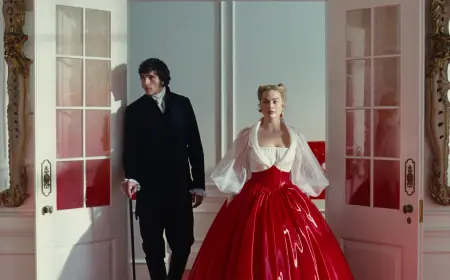
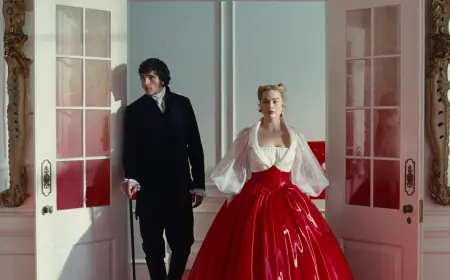
Fennell’s version leans hard into sensory provocation. Production design traffics in visceral surfaces and lurid textures — flesh-toned leather, latex, and lurid closeups — while a contemporary soundtrack punctuates key scenes. Lead performances are framed to maximize magnetism, presenting the central pair as conventionally gorgeous, sexualized figures rather than the feral, morally compromised people who stalk the pages of the original novel.
Those choices produce immediate dividends: the film feels modern, punchy and unafraid to court spectacle. A number of sequences land as intended shock tactics, and a younger, enthusiastic audience has responded to the erotic energy and star casting at many screenings. But the stylistic gains come with costs. The novel’s layered narration, its nesting of perspectives, and its deliberate moral ambivalence are pared back or reshaped, which narrows the story’s formal strangeness. Moments of sustained psychological brutality and the generational transmission of harm receive less emphasis than they do on the page, leaving some viewers to conclude that key sources of tension have been softened or excised.
Audience reaction and the controversy over Heathcliff
Reaction at screenings has been visceral. Some audience members cheered the sexiness and swagger of the leads; at one private showing a group of friends openly reveled in the film’s eroticized take. Other viewers have pushed back loudly. Central to the debate is the portrayal of Heathcliff, a character whose racial ambiguity and social otherness are pivotal in the original novel’s dynamics. The casting and character framing in this adaptation have prompted charges that the film whitewashes or otherwise defangs that element, replacing a source of social and moral complexity with a more digestible romantic lead.
Beyond casting, critics and readers have seized on the movie’s treatment of abuse and vengeance. In the source novel love is entangled with cruelty — an obsession that wrecks lives across generations. By presenting the protagonists as attractive, largely blameless victims of fate, the film risks tilting the story toward sentimental tragedy rather than the savage, ambiguous proof of love and harm that made the book both disturbing and enduring.
Why the debate matters for adaptations
Adaptations inevitably make choices: what to keep, what to excise, and what to amplify. The flash and fetish of this wuthering heights movie underline a persistent question for filmmakers working with canonical texts — whether style can stand in for substance and whether modern audiences require different emphases to be moved. Fans of the novel argue that part of its power is how it resists tidy moral readings; remove the book’s uglier edges and you risk losing its unique, strange charge. Defenders of the film counter that reinterpretation is a legitimate creative act and that a fantasia approach can open the story to new audiences.
What is clear is that Fennell’s adaptation has reignited a long-running conversation about how to translate the novel’s ferocity and ambiguity for the screen. For some viewers the film’s eroticized, sumptuous surfaces will be a revelatory entry point. For others the changes amount to a betrayal of the work’s strangeness — and of the confrontational view of love that defines the original. The debate will likely continue through awards season and beyond, as audiences and critics test whether the film’s stylistic bravado ultimately deepens or diminishes Emily Brontë’s unsettling legacy.