
















‘Love Story’ Is Doing daryl hannah Dirty in Its Portrayal of JFK Jr.’s Ex


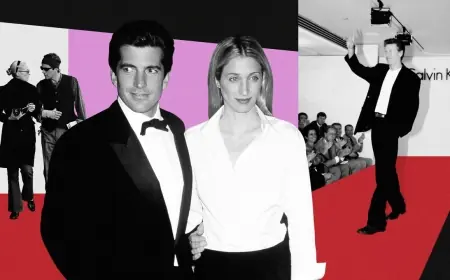
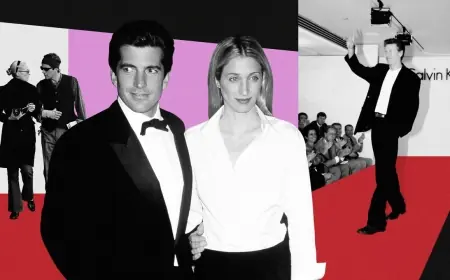
New reactions are coalescing around the nine-part JFK Jr. drama after its premiere on Thursday, Feb. 12 at 9: 00 p. m. ET. While the central romance between the leads has drawn praise, many viewers and critics are objecting to how the show frames one real-life player: daryl hannah. The actress’ on-screen counterpart is presented in ways some say feel exaggerated, unflattering and emotionally reductive.
How the show frames daryl hannah
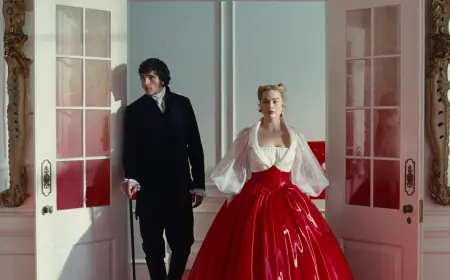
The series compresses years of an on-again, off-again relationship into a tight narrative arc, and writers have amplified conflict to drive the romance forward. On screen, an actress character—portrayed by Dree Hemingway—arrives as a recognizable, high-profile ex whose scenes frequently tilt toward melodrama. Dialogue and staging emphasize jealousy, erratic behavior and provocative emotional appeals that position this figure as a foil to the show’s central love interest.
Some of the sharpest moments come when the character interprets private slights as public vendettas, or when personal losses are theatrically equated with larger civic grief. Those choices make for vivid television, but they also shift the frame from nuance to caricature. For viewers familiar with the historical record, the depiction reads as a selective amplification of particular traits rather than a rounded portrait.
Where the portrayal diverges from public memory
Onscreen shorthand is partly practical: the series skips many of the stop-starts of a real relationship to preserve forward momentum. The creative team has explained that pacing necessitated jumping ahead rather than dwelling on repeated reconciliations. Still, compression and dramatization can alter perception. Scenes that dramatize family disapproval, social friction and private volatility are rooted in documented tensions, but the show heightens them with added emotional beats and sharp, judgmental reactions.
For example, a sequence in which the character lashes out after what she perceives as a slight at a family dinner is staged as a decisive moment of humiliation and alienation. In reality, recollections from those around the family portray a more measured range of reactions—concern about public image and suitability rather than theatrical antipathy. Where a concise script needs shorthand to convey complexity, that shorthand risks flattening a living person’s humanity.
Reaction, stakes and ethical lines
Audience response has split between appreciation for the show’s cinematic rigor and discomfort over dramatic choices that involve real, still-living figures. Critics and viewers cite a broader question: when dramatising fairly recent history, how far can creators push caricature before they veer into unfairness? The legal exposure for a production typically depends on whether a depiction is knowingly defamatory or clearly false, but the reputational and ethical consequences can arrive sooner in public debate.
Producers have leaned into the need for narrative drama, and the series does not shy away from showing how fame, grief and family expectations collide. Still, critics argue that a sympathetic, layered portrayal would have strengthened the central romance rather than requiring a theatrical antagonist. For audiences invested in nuance, the reductive portrayal of a prominent actress feels like a missed opportunity: a character rendered more as plot device than person.
As new episodes roll out weekly, the conversation is likely to continue. The creative team will need to balance storytelling momentum with responsibility to real lives and memories, and viewers will watch closely to see whether the show softens, complicates or doubles down on its early choices.