






















usa hockey Rivalry Reignited: U.S. and Canada Set for Milan Olympic Gold Showdown

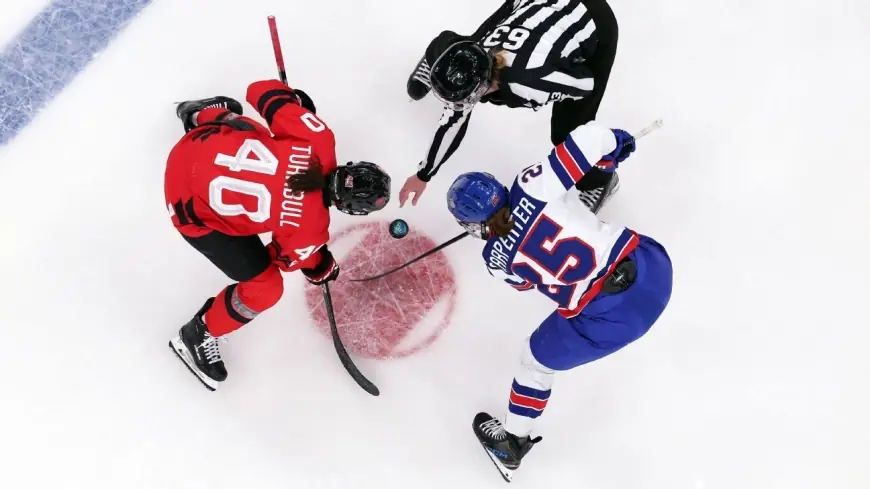
When the United States and Canada step onto the ice Thursday at 1: 10 p. m. ET in Milan, they’ll be renewing one of sport’s most combustible rivalries. Nearly three decades after women’s hockey debuted at the Olympics, the matchup remains a defining moment of every tournament: a clash of history, habit and ferocity that rarely disappoints.
A rivalry forged in the sport’s early Olympic years
The animus between the two programs stretches back to the first Olympic women’s tournament in 1998 and the years leading up to it. Players who lived through that era remember a genuine, sometimes personal, dislike—one that could turn everyday proximity into a psychological battle. Veterans recall the small rituals of intimidation: silent elevator rides, purposeful avoidance and clear lines drawn between teammates from opposite sides of the border.
That friction was no accident. For both nations, beating the neighbor meant more than a win; it was the clearest path to an Olympic gold. Over the ensuing decades the two countries have dominated the podium, combining for every Olympic gold and every women’s world championship title. The intensity on the ice has occasionally spilled into physical confrontations, including fights and line brawls in exhibition play and other high-stakes matchups.
This cycle: U. S. dominance and Canada’s comeback story
This tournament has followed that script of extremes. The U. S. arrived in Milan with an offensive onslaught and defensive steel: a team that has outscored opponents by an overwhelming margin and recorded multiple shutouts en route to the final. Depth has been a trademark—four lines that can press and produce—and contributions have come from veterans and rookies alike, with fifteen different Americans finding the scoresheet so far.
Canada’s path to the final has been more ragged but no less resilient. The Canadians have been tested by illness and injury, including a disrupted schedule early in the tournament and the temporary loss of their captain and most clutch scorer. Her return in the knockout rounds has been pivotal: not only did she push Canada through tight contests, she also climbed to the top of the Olympic scoring charts, passing long‑standing marks and reinforcing her status among the game’s all‑time greats.
Where the U. S. has relied on relentless puck pursuit and balanced scoring, Canada has leaned on experience and an ability to dig in during adversity. That combination sets up a tactical clash—speed, depth and defensive structure on one side against leadership, pressure play and big‑moment execution on the other.
What’s at stake in Milan Thursday at 1: 10 p. m. ET
Beyond the medal itself, the game is a referendum on direction. For the U. S., a win would cement a dominant run through the tournament and validate roster construction centered on depth and speed. For Canada, gold would be vindication for weathering disruption and relying on veteran poise under pressure. Individually, longtime stars chase milestones while younger players can secure their place in the rivalry’s next chapter.
Expect physical intensity, tactical adjustments and emotional surges. The teams know each other intimately—from collegiate lockers to professional rosters—and that familiarity only amplifies the stakes: small decisions, split‑second reads and the will to impose one’s game on the other will determine which nation walks off with gold.
Thursday’s match will add another chapter to a storied duel that has defined women’s international hockey. Fans will watch for moments that have long defined this rivalry—grit, flash, and the kind of drama that makes every meeting feel like more than a game.