



















New Orleans Revels on fat tuesday as Carnival Season Peaks

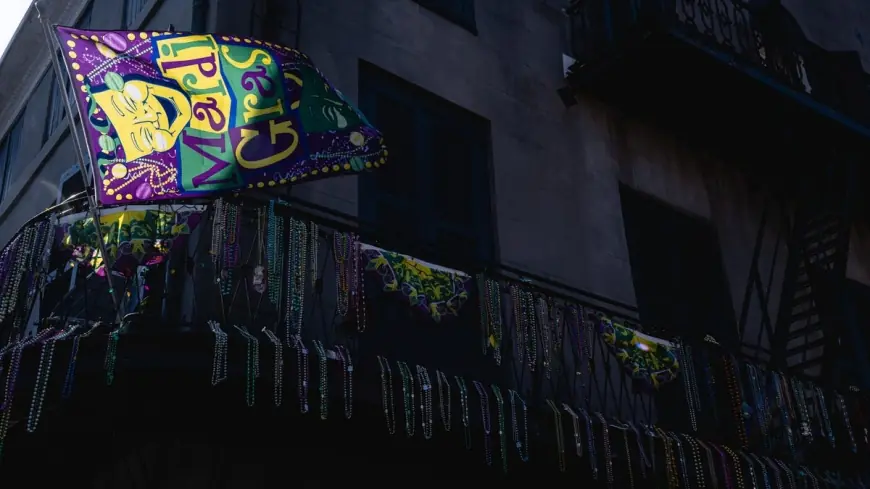
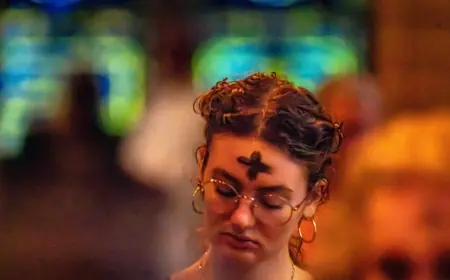
Thousands packed St. Charles Avenue and the French Quarter on Tuesday for Mardi Gras — Fat Tuesday — the raucous conclusion of weeks of Carnival revelry. Floats, marching bands and elaborately costumed parade-goers traded beads, candy and coveted keepsakes in one last burst of indulgence before Lent begins on Ash Wednesday, Feb. 18 (ET).
Floats, throws and sequins: a city at full volume
Revelers began lining streets at dawn, staking out spots with chairs, ladders, coolers and grills to secure the best vantage points for the procession. Marching bands filled the air with brass and drum cadence while floats rolled past, with riders tossing an array of "throws" — plastic beads, doubloons, stuffed animals, cups and toys — into the crowd. One of the most prized items, hand-decorated coconuts from the Zulu parade, glittered under the sun as a man dressed as a crawfish waved his prize above the crowd.
Costumes ran the gamut from DIY creations to full-scale pageantry. Black masking Indian outfits, beaded and bejeweled with towering feathered headdresses, mingled with sequined suits and homemade garb that ranged from whimsical to extravagant. Some opted for electric blue eye shadow and gold headpieces; others embraced the traditional green, gold and purple color palette that has long symbolized the festivities.
"The world will be here tomorrow, but today is a day off and a time to party, " said Sue Mennino, who wore an Egyptian-inspired ensemble and has celebrated Carnival for decades. Longtime residents and returning visitors alike said the draw of New Orleans' signature day is nearly irresistible.
Beyond the Big Easy: statewide and international echoes
Carnival's climax was not confined to New Orleans. Across Louisiana, celebrations ran the gamut from exclusive balls to the Cajun Courir de Mardi Gras, a rural tradition in Central Louisiana where costumed participants beg for ingredients and chase live chickens for communal gumbo. Parades and parties also animated other Gulf Coast cities, and large celebrations persist in parts of Brazil and Europe where Carnival traditions have deep roots.
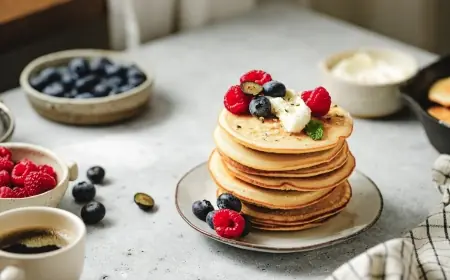
Local quirks and international contests add to the tapestry of Fat Tuesday customs. One of the more unusual events pits pancake tossers from separate towns in a playful international rivalry — a nod to the Shrove Tuesday practice of using up rich ingredients before Lent. The timing of Lent and Easter drives these rituals: Lent opens on Ash Wednesday, Feb. 18 (ET), and Easter Sunday will fall on April 5, 2026.
High-profile moments and a reminder of order
The day’s revelry included moments of heightened attention when a video captured the arrest of a well-known actor during celebrations in the city. While the mood was overwhelmingly festive, officials and organizers work to balance access to tradition with public safety during one of the city's busiest annual gatherings.
For many attendees, Fat Tuesday remains a last chance to indulge before the period of reflection that follows. Whether it’s catching a prized throw, dancing to a brass band or simply watching the pageantry roll by from a balcony, the celebrations offered a vivid, communal send-off to Carnival season.
As the parades wound down and the streetlights came on, the sentiment was the same across neighborhoods: for now, the good times were rolling — and tomorrow, routines and restraint would return.