

















tony blair: documentary shows the man, but not the machinery

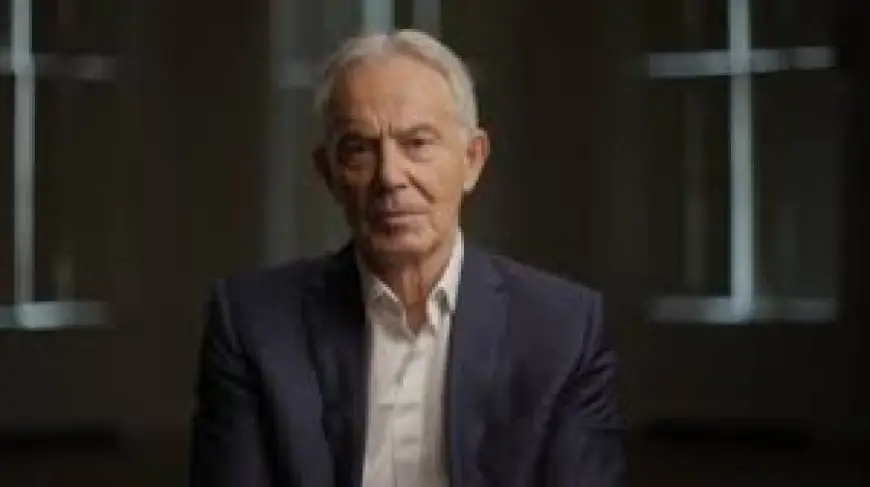
The new three-part biographical film gives prolonged access to Tony Blair and his family, delivering intimate moments and self-reflection. What it rarely does is put his decisions under the kind of granular institutional or forensic scrutiny that would test how and why those decisions were taken. The result is a character study more than a rigorous political reckoning.
A portrait built around personality
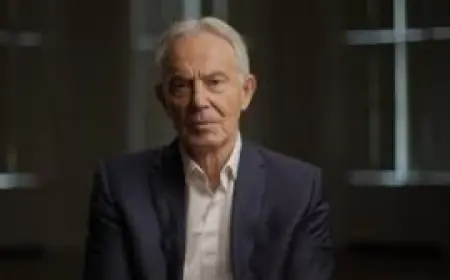
The director frames the series as an inquiry into character, gathering archive footage and interviews with the former prime minister, his wife and several children to map the person behind the public image. Viewers see Blair’s early years at a private school, the emotional shocks that shaped him at Oxford and the steely ambition that propelled him from backbenches to party leader. The film is at its strongest when it traces how private loss and formative relationships informed his public persona.
Those close moments are often revealing. Extended interview time with Blair captures micro-shifts in expression — a smile that fades when the cameras stop, a practiced optimism that can harden into unease. Family testimony adds texture: his wife’s interventions and the children’s recollections sketch the domestic pressures that accompanied life in power. These elements combine to create a familiar cinematic narrative: an ambitious, charismatic politician whose personal history helps explain, though not excuse, his choices.
What the film leaves out
Yet the documentary’s commitment to psychoanalytic narrative comes at a cost. Big structural questions receive limited attention: how networks of influence within a party elevated Blair, the role of advisers and gatekeepers, and the complex intersection of political strategy and institutional momentum are often sketched rather than examined. Key episodes that demand forensic interrogation are handled in broad strokes rather than with the granular scrutiny some viewers will expect.
Controversial topics appear on screen — the decision to commit British troops to war, later activities and fundraising for post-office initiatives — but the film often privileges personal motive over institutional context. Even when uncomfortable issues surface, the film tends to let its subject frame the explanation. Questions about personal wealth, donor relationships and the mechanics of influence are raised but not pursued with persistent, evidence-led interrogation.
Moments that matter, and what they reveal
Where the film works is in revealing contradictions: a leader who wants to be remembered as a visionary yet is shadowed by a single, defining controversy; a public figure who deploys charm and communications skill while displaying visible unease when legacy is questioned. Intimate scenes — private reactions, small domestic disputes, off-guard expressions — humanise a figure too often reduced to caricature on either side of the political divide.
At the same time, some interview moments underscore the limits of a personality-led narrative. Family members’ pride and defensiveness, advisers’ recollections of tactical one-on-one battles, and the director’s choice to linger on personal anecdotes all highlight how the film opts for immediacy over complexity. That makes for engaging television but one that may frustrate viewers seeking a deeper excavation of power, policy and accountability.
In short, this documentary is a useful window into the private person behind a public life, but it is not the full glasshouse inspection of an era that many will want. For those looking for vivid, human detail it delivers; for those craving a forensic account of how decisions were made and by whom, it will feel incomplete.