

















Lunar New Year 2026: Year of the Fire Horse ushers in bold celebrations across Asia

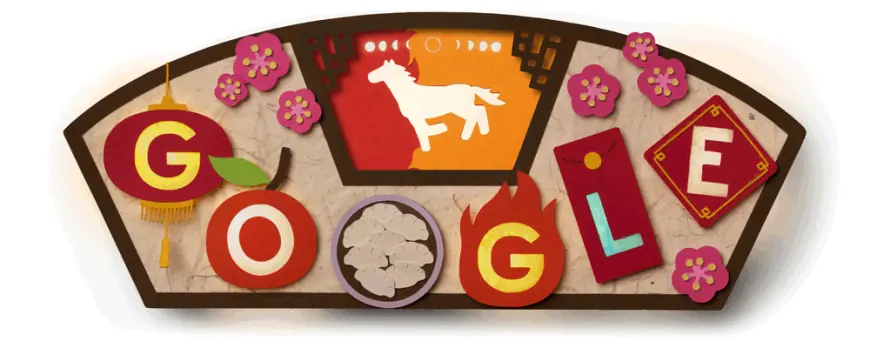
The Year of the Fire Horse has arrived, and millions across Asia are marking the 15-day Lunar New Year festival with a mix of time-honoured rituals, modern twists and public events that reflect changing social and technological landscapes. The festival, tied to the first new moon of the lunisolar calendar, falls within January 21–February 20 (ET) each year.
Street-level celebrations and regional food traditions
From dragon dances in capital cities to family gatherings in smaller towns, food remains central to the new-year festivities. In parts of Southeast Asia, communal dishes are steeped in symbolism: a raw fish salad tossed vigorously by everyone at the table is a highlight in some households, while tins of luncheon meat are popular as gifts in other communities. In Vietnam, sticky rice cakes take centre stage — the northern square bánh chưng and the southern cylindrical bánh tét are prepared with meticulous care, and many families present an intact boiled chicken with a red rose in its beak as an offering symbolising completeness and unity.
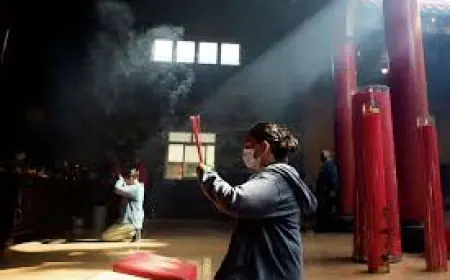
Red dominates wardrobes and decorations, reflecting wishes for luck and protection. Long-standing home rituals continue alongside modern conveniences: the week leading up to the new year is a time for thorough cleaning, special meals and thoughtful prohibitions intended to secure good fortune for the months ahead.
Tradition adapts: fewer ancestral rites, evolving customs
Across several societies, established practices are shifting. A growing number of younger families in some regions have opted out of elaborate ancestral tables this year, favouring simpler or symbolic remembrances instead. Surveys in certain urban centres indicate that more than half of respondents will not set up the traditional multi-dish offerings that once dominated holiday observances, reflecting changing family structures and lifestyles.
At the same time, popular superstitions endure. Many households avoid sweeping or major cleaning on key days to keep luck from being 'swept away', and cutting hair during the festive period remains taboo for those who adhere to older customs. The Fire Horse year is widely viewed in cultural metaphysics as particularly intense — a combination of bold momentum and combustible energy — prompting both excitement and caution among celebrants.
Robots, gala stages and the high-tech new year
Technology has become an increasingly visible part of modern festivities. In urban technology hubs, humanoid robots have been integrated into variety shows and gala performances, with some companies showcasing robots in dance, comedy and music segments. National television galas this year are set to feature humanoids from multiple robotics firms, underscoring heavy investment in artificial intelligence and robotics and a belief that domestic firms are well positioned to compete in global humanoid markets.
These high-tech spectacles sit alongside grassroots traditions, creating a festival that is both celebratory and forward-looking. Public events blend cultural pageantry with tech demos, while digital art and themed illustrations celebrating the Fire Horse spirit — noted for independence and drive — appear across seasonal displays and creative promotions.
The Year of the Fire Horse arrives rarely in the sexagenary cycle, and for many it represents an opportunity to embrace change: to uphold rituals that bind families and communities, to adapt traditions to contemporary life, and to welcome a year that many hope will be dynamic, prosperous and auspicious.