








Love Story’s depiction sparks debate — daryl hannah fans object to onscreen portrayal

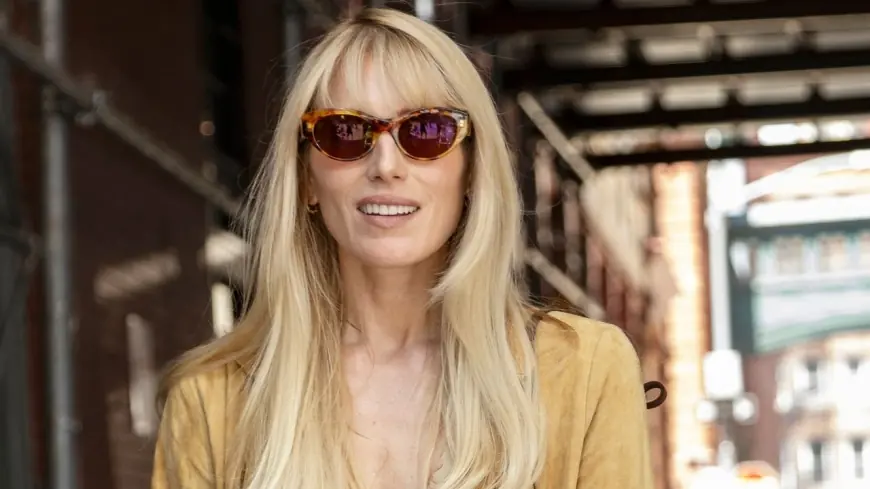
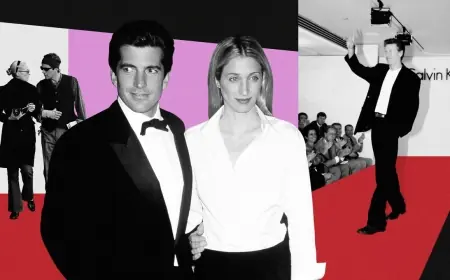
As the new drama about John F. Kennedy Jr. and Carolyn Bessette rolls out its early episodes, a running critique has emerged: the series’ treatment of daryl hannah’s character has many viewers calling the portrayal unkind and overly caricatured. The dispute raises fresh questions about dramatizing living figures and how much creative licence is acceptable when real reputations are on the line.
How the show frames Daryl Hannah
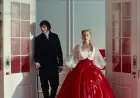
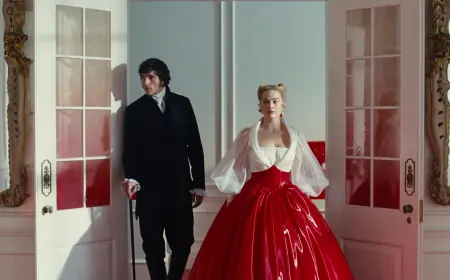
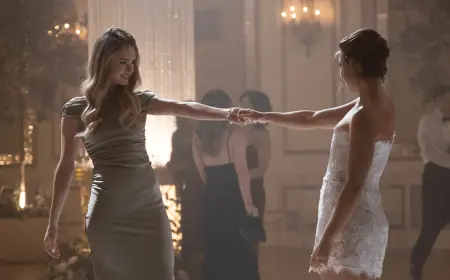
The series presents the character based on Daryl Hannah as a volatile presence in Kennedy’s life — a temperamental, attention-grabbing foil to the prim and enigmatic Carolyn Bessette. The performance and physical likeness to Hannah have been noted as convincing in many scenes, but critics say the writing leans heavily on spectacle: scenes that suggest drug use, pet-obsessed melodrama, and volatile public behavior. One sequence in the early episodes dramatizes the clash between grief and ego in a way some viewers found absurd rather than illuminating.
That dramatic tilt is partly intentional. Writers frequently heighten conflict to drive serialized storytelling, and placing a flamboyant romantic rival in the arc gives the leads sharper emotional stakes. Still, multiple viewers and commentators have questioned whether the balance here tips too far from plausible biography into caricature, particularly given how recognizable the real-life subject remains.
Why viewers are pushing back
Many objections hinge on two related points: the messy nature of the historical relationship, and the duty of care when depicting living people. Public records and contemporaneous coverage show that the relationship in question was indeed tabloid fodder and complicated. But critics argue that messy real life does not justify flattening a multi-dimensional figure into a one-note antagonist.
Some have also raised ethical concerns. Portraying potentially defamatory behavior or imputing substance abuse can have real reputational consequences, even in dramatized form. Others point out that the show might have achieved the same narrative tension with subtler shading rather than scenes that read as mocking or derisive. There’s also talk that the actor cast in the role reached out to the person she was portraying before production, a move some viewers interpreted as an attempt to soften or humanize the depiction; others found it insufficient if the script then regresses to sensationalism.
What this debate means for the series and legacy
The backlash over the depiction of daryl hannah highlights a perennial dilemma for biographical drama: how to remain compelling without being cruel. For the series, the controversy is a double-edged sword. Polarizing portrayals can drive conversation and viewership, but they also risk alienating audiences who expect more nuance when real lives are at stake.
For the actor in question, the portrayal may sharpen public memory of a particular chapter in her life rather than presenting a fuller portrait. Some viewers have suggested that the creative team could have found conflict elsewhere or leaned more into emotional complexity rather than caricature. Whether the criticism will prompt creative course-corrections in future episodes remains to be seen.
As the season unfolds, attention will likely remain fixed not only on the central romance at the heart of the series but also on how secondary figures are treated. The debate around this portrayal underscores a broader cultural question: how do storytellers balance dramatic urgency with responsibility to real people, especially when the line between fact and fiction is intentionally blurred?