













tell me lies season 3 series finale: creator explains the ending and why the show stops at three seasons

The head-spinning tell me lies season 3 series finale landed Monday night (ET), closing out three seasons of tangled relationships, shifting timelines and long-buried betrayals. Creator Meaghan Oppenheimer says the choice to end the story now was deliberate: three seasons felt like the right arc to finish Lucy and Stephen’s story while resolving the broader wreckage the show has tracked across 26 episodes.
How the finale unspooled years of secrets
The episode collapses the series’ dual timelines into a single violent reckoning. In the college timeline, a videotape of Lucy admitting she lied about assault is released, leading to her expulsion and the assumption that Stephen was responsible. The big reveal is that Bree, Lucy’s friend, is actually the one who leaked the tape after discovering that Lucy had slept with Evan. That act reframes a group mythology in which Stephen was long positioned as the villain.
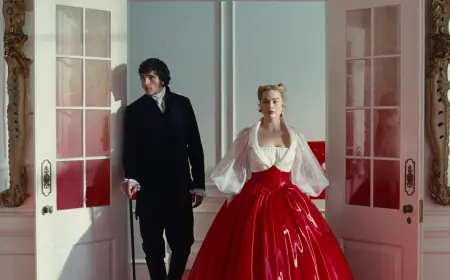
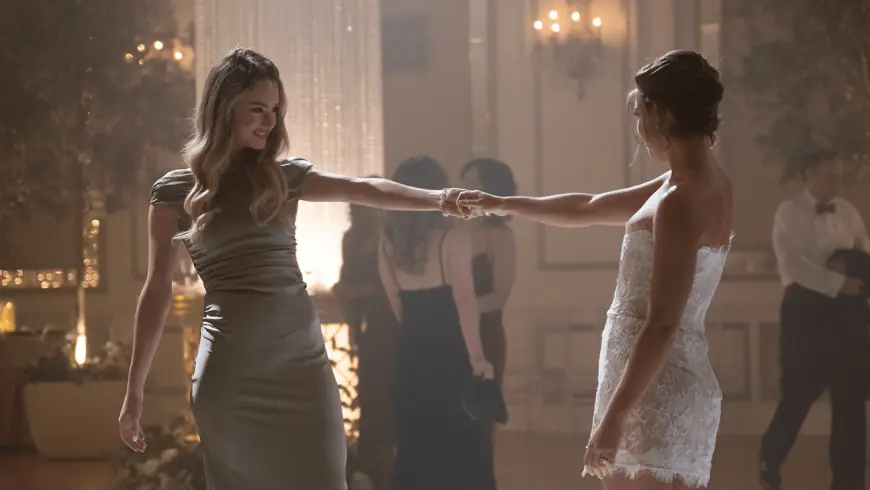
Fast-forward to the future timeline: an engagement party and later a wedding reception become the locus for truth-telling. Stephen commandeers the microphone and demolishes the wedding with a mic-drop speech that exposes multiple betrayals — Bree and Wrigley’s affair, who slept with whom in college, and Bree’s role in Lucy’s humiliation. The confrontation forces each character to face consequences they had tried to bury.
Why the show ends at three seasons
Oppenheimer framed the decision to wrap the series as intentional rather than forced. She said she always felt three seasons made sense to complete the trajectory she envisioned: the rise and then downfall of these characters across their formative years. The finale was constructed to culminate in the same weekend where much of the earlier damage originated, giving the narrative a kind of circular closure.
The production leaned into the chaotic energy of the wedding reception, staging a deliberately messy, emotional sequence that allowed multiple reveals to hit in quick succession. That structural choice enabled the creators to tie up long-running threads — who leaked the tape, how current affairs trace back to past decisions, and which relationships survive exposure — while still leaving space for questions that linger beyond the final frame.
The last scene: Lucy, Stephen and an ambiguous exit
After Stephen outs Bree and attempts to walk away with Lucy, the episode ends on a bleakly comic note. He abandons Lucy at a gas station; her reaction — a layered, disbelieving laugh — becomes the final image. The scene undercuts any tidy romantic resolution and emphasizes the show’s recurring theme: these characters are often their own worst enemies.
Musical choices amplify the finale’s emotional beats. A high-profile pop needle drop punctuates the reception, while an indie cover that first appeared in season one returns over the closing sequence, offering an ironic echo of where the story began and where it leaves its protagonist.
Oppenheimer and the lead performers framed the ending as earned: it resolves the arcs she set up, delivers a satisfying narrative payoff for long-time viewers, and stops short of sentimental redemption. The finale ties off many threads while allowing the characters’ moral ambiguity to persist, leaving the audience with an ending that feels both final and unsettled.
For viewers who followed Lucy’s messy journey from those early garbage-bag parties through the unraveling of adult lives, the series finale reads as a careful, if uncompromising, closing chapter — one that refuses neatness and instead insists on the messy costs of truth and betrayal.