

















Macron soaks in bombay spirit during Mumbai visit to deepen ties

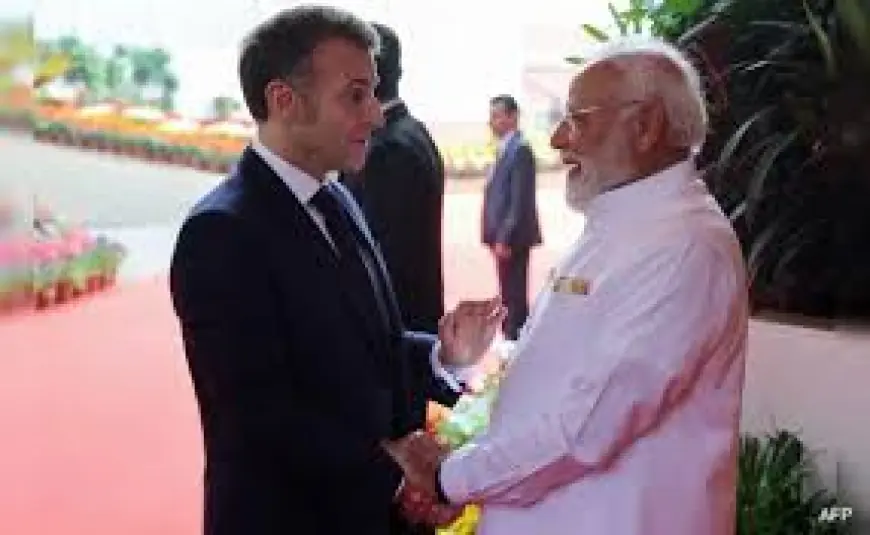
French President Emmanuel Macron met India’s Prime Minister Narendra Modi in Mumbai on Tuesday, Feb. 17, 2026 (ET), in talks aimed at expanding economic and strategic cooperation. The visit combined government-level announcements — including the virtual inauguration of a new helicopter final assembly line — with visible public engagement that leaders used to underscore a warming partnership.
Bilateral push on trade, defence and technology
The Mumbai meeting highlighted a relationship that has broadened beyond traditional defence links into trade, technology and energy. Modi said, “India‑France partnership knows no boundary. In today’s era of uncertainties, this partnership is a force for global stability and progress. ” Macron described the Franco‑Indian relationship as being in a phase of acceleration as both countries respond to shifting global dynamics.
Officials framed the talks around mutual priorities: attracting foreign capital, strengthening supply chains, and deepening strategic cooperation in the Indo‑Pacific. A headline outcome was the joint, virtual inauguration of the final assembly line for H125 helicopters, a collaboration between India’s private aerospace industry and an international manufacturer. The new facility in the southern state of Karnataka marks the country’s first private‑sector site to produce helicopters and is intended to boost local manufacturing, create high‑skill jobs and expand the domestic defence industrial base.
Soft power and public diplomacy in Bombay
Alongside the policy agenda, the visit carried a clear public diplomacy dimension. Mumbai — India’s financial and cultural hub — provided a stage for Macron to engage with the city’s energy and public life, reinforcing the interpersonal side of the partnership. That blend of commerce, defence cooperation and cultural outreach underlines how leaders are tying strategic interests to broader people‑to‑people connections.
Observers noted that the optics of the trip were designed to send an unmistakable message: economic deals and defence projects are accompanied by an intent to strengthen day‑to‑day ties. The location and tone of the visit signal an effort by both capitals to make cooperation tangible, visible and politically durable.
Implications for markets and the defence industrial base
The convergence of diplomatic momentum and industrial announcements could accelerate investment flows and supply‑chain partnerships. The helicopter assembly project exemplifies a shift toward co‑production models that transfer technology, deepen local supply chains and create export potential. For France’s strategic posture, closer industrial ties provide a longer‑term foothold in the Indo‑Pacific; for India, they support a push to scale domestic defence manufacturing and attract higher value investment.
As the two governments move from statements to implementation, companies and investors will watch for follow‑through on contracts, regulatory facilitation and concrete timelines for production and employment. The blend of high‑level diplomacy and visible local engagement in Mumbai suggests both sides are prepared to match rhetoric with projects that reshape industrial linkages and strategic cooperation.
The visit on Feb. 17, 2026 (ET) thus stands as a snapshot of a relationship that leaders are actively recasting — combining defense, economics and cultural outreach to navigate an uncertain international environment.