













New Orleans celebrates fat tuesday with beads, coconuts and soaring floats

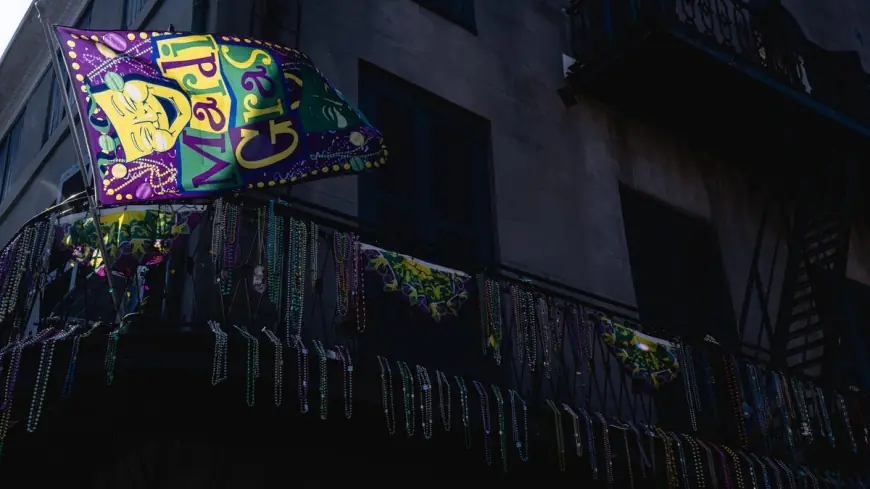
Thousands of revelers lined historic streets on Tuesday as Mardi Gras reached its boisterous apex. Fat Tuesday — the final day of Carnival before Lent begins — brought a swirl of color, music and signature parade "throws" to New Orleans, where residents and visitors embraced one last day of indulgence and pageantry.
Parades, throws and costumed revelry
Fans crowded balconies and set up chairs, ladders and grills before dawn to stake out prime viewing along St. Charles Avenue and through the French Quarter. Marching bands filled the air with brass and drum cadences while ornate floats rolled by, tossing beads, doubloons, stuffed animals and novelty cups into the streets. Zulu coconuts — often hand-decorated and highly prized — glittered in the sunlight when they landed in the hands of lucky parade-goers.
Costumes ranged from high-sequined creations to homemade ensembles that capture the city’s irreverent spirit. Traditional Black masking Indian regalia, complete with beaded chests and towering feathered headdresses, stood alongside contemporary, DIY looks. Revelers danced in the streets, swapping coffee for more festive libations as the celebration turned full-throttle during the midday hours.
Tradition, faith and regional variations
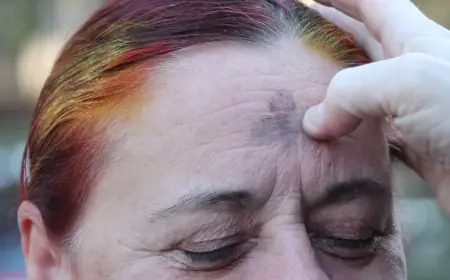
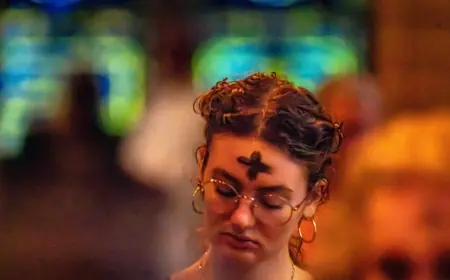
Fat Tuesday marks the close of the pre-Lenten Carnival season and the last day to indulge before Ash Wednesday and the start of Lent on Feb. 18 (ET). For many, the day blends religious ritual with communal celebration: some observe Shrove Tuesday practices of confession or symbolic purification, while others focus on the culinary tradition of using up rich ingredients ahead of the fasting period.
The mood in New Orleans reflects a wider Gulf Coast and international tapestry of Carnival customs. Rural central Louisiana revived the Courir de Mardi Gras tradition, a lively run featuring costumed participants who perform, beg for ingredients and chase live chickens for a communal gumbo. Parades also took place in nearby Gulf Coast cities and beyond, and global celebrations in Brazil and parts of Europe echoed the revelry in their own local styles.
Incidents and public safety during the festivities
Amid the jubilation there were moments that drew extra attention. Law enforcement and event crews worked throughout the day to manage crowds and respond to incidents so the processions could continue. Organizers emphasized personal safety in packed areas and urged attendees to respect parade routes and one another while enjoying the throws and performances.
Despite occasional disruptions, the overriding tone was celebratory. Longtime residents and return visitors said Fat Tuesday remains an irresistible annual pause for joy. Dressed in elaborate garb, many expressed that the day is about shared experience and returning to something that feels uniquely New Orleans.
The Carnival curtain will drop until next year, but the images of feathered headdresses, glittering coconuts and streets awash in purple, green and gold will linger — a vivid reminder of why this day is the centerpiece of the city’s cultural calendar.