





















jesse jackson, civil rights titan, dies aged 84

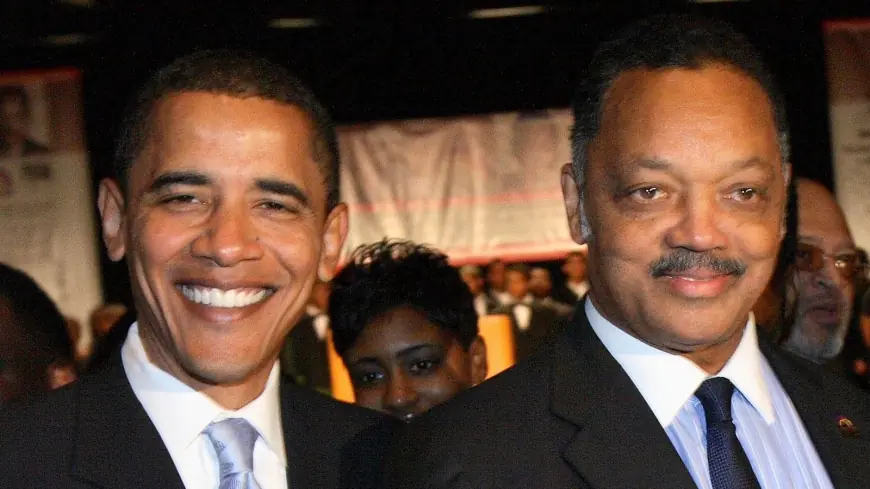
Jesse Jackson, a towering figure of the American civil rights movement who mobilised millions of voters, ran two presidential campaigns and built a long career in activism and diplomacy, died on Tuesday morning, February 17, 2026 ET. He was 84 and surrounded by family when he passed, his family said, calling him a tireless advocate for justice, equality and human dignity.
A life shaped by movement and message
Born in Greenville, South Carolina, in 1941, Jackson rose to national prominence in the 1960s as a leader in the Southern Christian Leadership Conference and as an ally of Martin Luther King Jr. He stood beside King in Memphis in 1968 in the hours surrounding the assassination that marked a turning point for the movement and for Jackson's own trajectory.
He became widely known for his oratory and organising skill, turning sermon cadence into political momentum. In the 1980s he launched two high-profile bids for the Democratic presidential nomination, in 1984 and 1988, that broke barriers for African-American candidates and built a multiracial coalition focused on the concerns of working-class and poor Americans. Though he did not secure the nomination, those campaigns elevated his national stature and helped reshape the Democratic Party's approach to outreach and representation.
Jackson founded an organisation that would focus on social justice, civil rights and economic empowerment, and for decades he used that platform to push for voter registration drives, labour rights, and international human-rights interventions. He was known for combining grassroots organising with high-profile diplomacy, intervening in hostage and prisoner cases overseas and pressing corporate leaders on employment and procurement practices.
Illness, family and the measure of a legacy
Jackson had been hospitalised in November and earlier this year doctors revised a long-standing Parkinson's diagnosis to progressive supranuclear palsy, a rare degenerative neurological condition that affects movement, balance and eye function. His family said he died peacefully and listed survivors including his wife Jacqueline and their children Santita, Jesse Jr., Jonathan, Yusef, Jacqueline and Ashley.
Tributes poured in from leaders and public figures who described him as a mentor, a force for change and a guiding presence in American life. A former president called Jackson a "true giant, " saying his presidential runs laid the foundation for those who followed and noting that Jackson helped create opportunities for generations of African Americans. Others remembered the moments that defined him — from sit-ins and boycotts to voter-registration drives that transformed local and national politics.
Colleagues and critics alike acknowledged his skill at lifting up the voices of people who felt overlooked by power, and his ability to turn personal magnetism into organisational strength. Friends recalled his knack for making volunteers and supporters feel seen and valued, and his belief that political work was a spiritual calling as much as a strategy for policy change.
Jackson's influence extended beyond U. S. borders; he was received by leaders and civil-society groups around the world and was recognised repeatedly for his contributions to democracy and human rights. As an elder statesman of progressive causes, he continued to mentor younger activists and to press for reforms aimed at narrowing economic and racial gaps.
His death marks the end of a chapter in the long struggle for civil rights and social justice in America, but his decades of organisation, rhetoric and practical political work leave a visible imprint on party politics, community organising and international advocacy. The movement he helped to build — and the phrase that many associate with him, a call to hope and to action — will be recalled in tributes and in the ongoing efforts of those who see themselves as his heirs.