














After 'Love Story,' carolyn bessette kennedy Has Reentered the Fashion Conversation

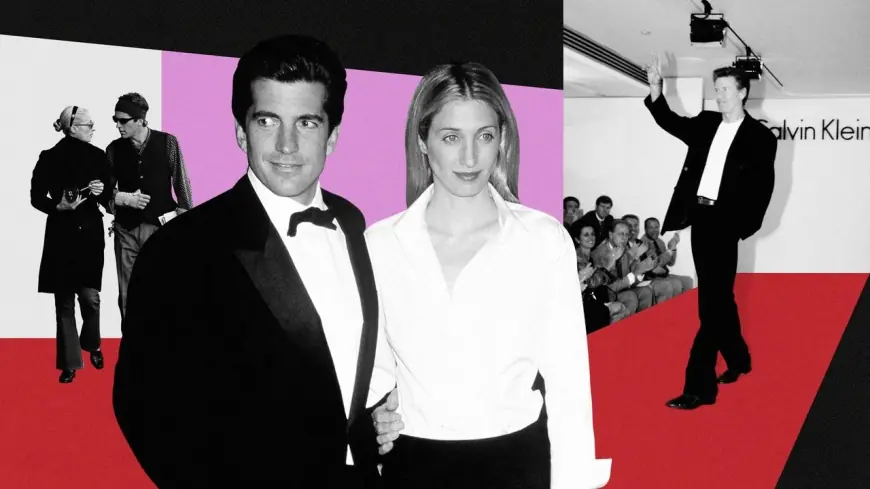
The premiere of Ryan Murphy’s new limited series has done more than retell a high-profile romance; it has refocused attention on the still-potent aesthetic of Carolyn Bessette Kennedy. The show’s wardrobe and casting choices have catalyzed a wider discussion about how designers and brands reckon with the 1990s minimalism she helped define — and how one major fashion house chose to answer the echo in an unexpected way.
A revival of an icon’s wardrobe
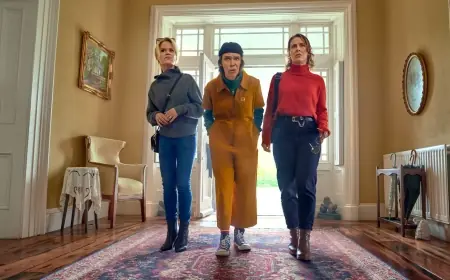
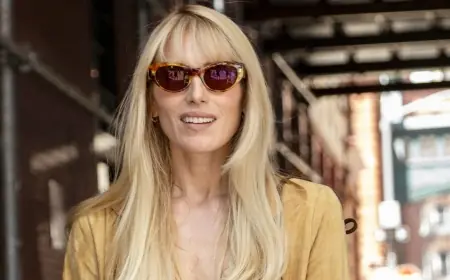
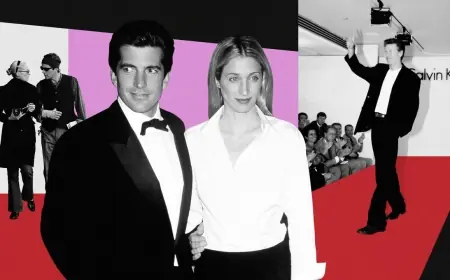
Critics, stylists and viewers noted early that the production leaned heavily on the guarded, pared-back look that made Carolyn Bessette Kennedy a shorthand for 1990s chic: slip dresses, crisp white shirts, pencil skirts and clean lines that foregrounded restraint over embellishment. The casting of Sarah Pidgeon and Paul Anthony Kelly drew scrutiny from the moment images circulated, particularly around hair and costuming choices, but the creative team pushed back with adjustments and an insistence that they were trying to capture the mood rather than exact replication.
The renewed attention has had immediate market consequences. Labels and capsule collections leaning into silk slips and minimalist tailoring have surfaced in the days after the premiere, illustrating how a televised portrayal can accelerate fashion cycles. For designers and buyers, the debate is less about nostalgia than about intellectual territory: which brands will translate that look for a new generation, and who will be seen as authentic custodians of the aesthetic?
Clash on the runway: Calvin Klein’s unexpected answer
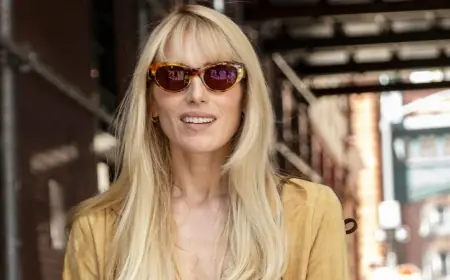
That question was put to the test when a flagship fashion house staged its show almost simultaneously with the series debut. Rather than lean all the way into the familiar late-1990s Calvin Klein vocabulary, the show’s creative leader framed the collection as a look back to the late 1970s and early 1980s — a moment when the label was still evolving and less resolved in its minimalism. The result mixed promising ideas with choices that some observers found uneven: deconstructed suiting, experimentation with backless tailoring, and a few pristine racer-back tank dresses that nodded to the slip-dress heritage but read more archival than contemporary.
The timing amplified the contrast. For audiences freshly reimmersed in the pared-down restraint associated with Carolyn Bessette Kennedy, the runway felt like a detour. Designers defended the move as an attempt to broaden the brand’s narrative and avoid simply rehashing an overexposed era. But critics of the collection suggested that sidestepping the obvious 1990s cues ceded an aesthetic battleground to smaller labels that are now selling direct-to-consumer versions of those wardrobe staples.
Family reaction and the show's public reckoning
Beyond style debates, the series reopened questions about ownership and respect. A member of the extended family expressed sharp objections to dramatizing a family tragedy, calling it a commercialization of private loss. Creators and cast members have said they intended to handle the story with care, and the production team publicly framed early backlash as an opportunity to course-correct, particularly on aesthetic details that viewers flagged.
The dispute underscores the broader friction that emerges when real lives become cultural property: creative teams aim for dramatic and visual resonance; descendants and cultural stewards worry about exploitation and fidelity. For the fashion industry, the immediate effect is simpler and more transactional — renewed demand for a look and a rush by brands to stake a claim. For the public conversation, the outcome is messier: a reminder that a single television event can reshape style narratives, reignite debates about taste and ownership, and force both designers and storytellers to answer who gets to define a cultural icon’s legacy.