



















how to get to heaven from belfast review — if you see nothing else this year, watch this

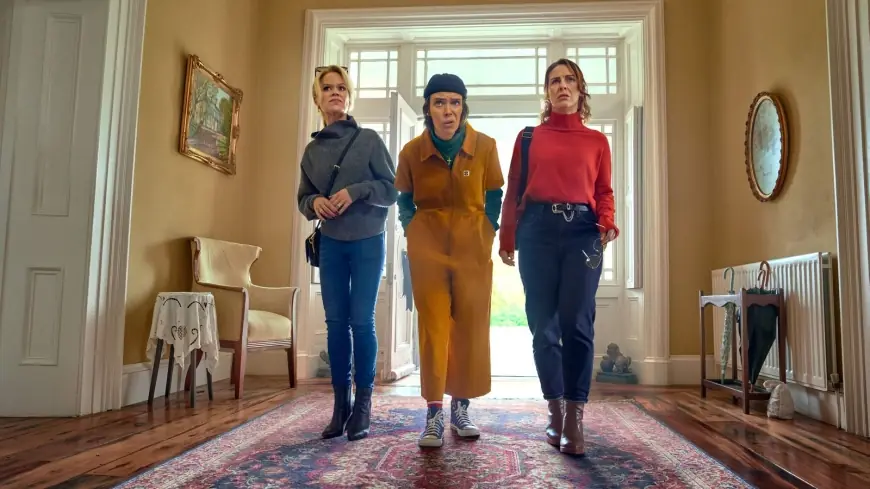
Lisa McGee's new series lands as a compact, high-energy caper that marries her trademark comic voice to a knotty murder mystery. Centered on a reunion of old schoolfriends at a funeral, the show quickly pivots from dark memory to full-scale investigation, anchored by an ensemble that mines both humour and menace with equal skill.
Premise and momentum
The plot begins simply: three friends—Dara, Saoirse and Robyn—reconnect to mourn their missing fourth, Greta, only to suspect that the death presented to them is not what it seems. A flashback to a burning shack, a sinister symbol and a shared secret from two decades earlier drives the narrative. When Saoirse, now a crime writer, notices an absence of a distinctive occult tattoo on the body in the coffin, the trio move from grief into sleuthing.
From that pivot the series never takes a breath. Tightly written episodes propel the investigation through domestic tensions, buried trauma and comic quarrels. The show balances moments of genuine dread—heightened by a chilling turn from the actor playing Greta’s husband, the local police chief—with sharp, often filthy, humour. Secondary figures complicate the hunt: a mother whose presence is more ominous than comforting, and the messy realities of midlife relationships that feed both motive and misdirection.
Writing, tone and performances
McGee's DNA is visible throughout: the dialogue snaps with the same sly warmth and observational sting that defined her previous work, but she stretches into darker territory here, letting the laughs coexist with the possibility of real violence. She has long loved murder mysteries, and this series lets her indulge that affection while keeping the story emphatically her own—female-led, messy and unafraid to lean into genre pleasures.
The cast delivers. A standout turn electrifies the screen early on, giving the show an emotional through-line even as the mystery multiplies its layers. The trio at the centre evoke decades of shared history and the complicated loyalties that come with it—friendship, guilt and the fear of what the past might still hold. Supporting players add texture: one performance in particular imbues the ostensibly respectable local establishment with a quietly terrifying edge, while a portrayal of a strained mother-daughter dynamic gives the series a human heartbeat beneath the caper.
Comedic set-pieces land with timing and bite: scenes of gossip, reunion awkwardness and petty rivalry puncture darker beats, preventing the series from becoming merely grim. Yet the show also knows how to tighten, letting suspense and unease build into genuinely affecting moments. The result feels like a genre mash-up that respects both its comic and mystery impulses.
Why it matters
At a time when many prestige dramas tilt toward procedural cool or salon-scale melancholia, this series stakes a claim for something looser and more human: the collision of ordinary lives and extraordinary secrets. It's a reminder that female-led stories can be complex, violent, funny and cathartic all at once. The creative choice to keep the central friendship at the heart of the unfolding mystery gives the series emotional stakes beyond plot twists—there's the question of who these women were, who they have become, and what they will do to protect themselves and one another.
Ultimately, this is a show made with confidence. It's propulsive, frequently hilarious and often unsettling, and it marks a clear creative evolution for its creator. For viewers who enjoy their mysteries threaded with sharp humour and a fiercely human centre, this is one of the year's most satisfying offerings.