

























Pam Bondi’s Fiery Hearing Escalates Scrutiny Over Epstein Records and DOJ Transparency

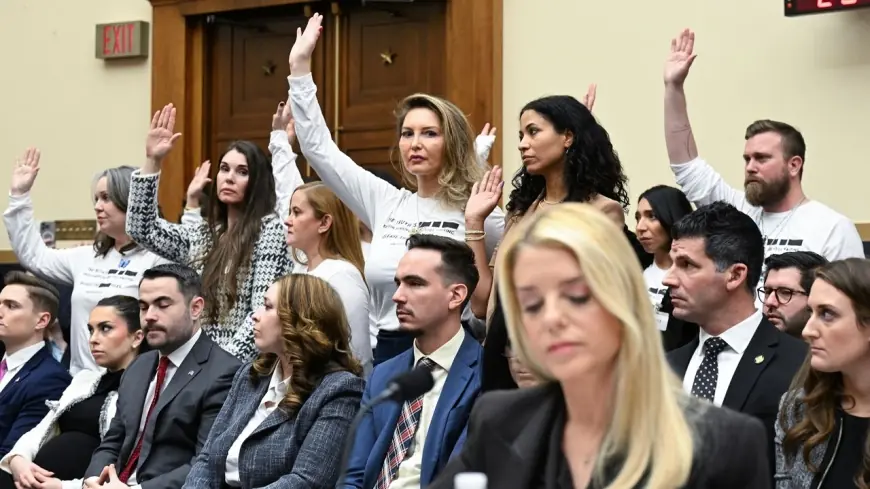
The Attorney General’s extended appearance before lawmakers turned into a combative spectacle that underscored partisan divides and sharpened demands for information about the Justice Department’s handling of high-profile matters, including documents tied to Jeffrey Epstein. Exchanges ranged from personal invective to blunt refusals to provide requested materials, leaving oversight efforts looking strained.
Four-and-a-half-hour session turns confrontational
In a marathon oversight session that stretched for four-and-a-half hours, the Attorney General repeatedly clashed with committee members, answering questions with sharp admonishments and pointed counterattacks. At one point she told a Democratic lawmaker, “You don’t tell me anything, you washed-up loser lawyer. Not even a lawyer. ” She later dismissed another member’s line of questioning by saying, “Your time is up. ”
Rather than offering detailed explanations, the Attorney General leaned on what critics described as a prepared playbook: pushing back with questions about the committee members’ own records, invoking her predecessor when pressed, and turning lines of inquiry into attacks on the questioner. She arrived with a tabbed binder that she used to flip to the names of individual committee members and cite crimes or incidents in their districts—an approach one member labeled a “burn book. ”
The hearing’s tenor was frequently dismissive toward requests for transparency. When asked for lists or records—such as organizations designated under domestic terrorism criteria—the Attorney General declined to provide the materials sought, framing the requests as unhelpful to public safety. At times she praised the President in heated exchanges, and she targeted members from both parties: she derided one Republican who has pressured the department to release Jeffrey Epstein-related files as a “failed politician” and accused him of “Trump Derangement Syndrome. ”
Epstein fallout and demands for records release intensify
The hearing occurred against a backdrop of vocal criticism about how the Justice Department has handled materials connected to Jeffrey Epstein. An Epstein survivor’s blunt accusation that “People are willing to protect pedophiles if the price is right” has added moral urgency to requests for a full accounting of what the department possesses and why certain documents remain sealed or withheld.
Lawmakers pressing for disclosure have pursued legislative routes and formal demands, arguing that transparency is necessary for accountability and public trust. Opponents of forced release counter that some material may risk ongoing investigations or privacy concerns. The Attorney General’s refusal to provide clear answers during the hearing has only hardened the stance of those seeking an open review of the files.
Members who asked direct questions about the Epstein materials left the session frustrated. The partisan dynamics of the hearing—combining theatrical rebukes with tactical deflection—meant few concrete concessions were secured, even as pressure mounted for the department to clarify its process for reviewing and potentially releasing documents tied to high-profile criminal networks.
What comes next: oversight, politics and public trust
The hearing underscored how oversight of law enforcement leaders can be transformed into political theater in a polarized environment. Democrats and Republicans alike found themselves subject to sharp talk, and the Attorney General’s aggressive posture suggested she was prepared to prioritize rhetorical counterpunches over detailed cooperation.
For lawmakers determined to pry loose files or compel testimony, follow-up actions are likely: renewed document requests, subpoenas, and additional oversight hearings. For the public, the episode reinforced longstanding anxieties about whether powerful figures and institutions are held to account. The tension between protecting sensitive information and ensuring transparency remains a central fault line.
Whatever the next steps, the hearing made clear that oversight of the Justice Department will remain a combustible mix of legal dispute and political theater, with the handling of Epstein-related material at the heart of debates about justice and accountability.