
























Emerald Fennell’s Wuthering Heights Sparks Split Over Romance, Rage and Casting

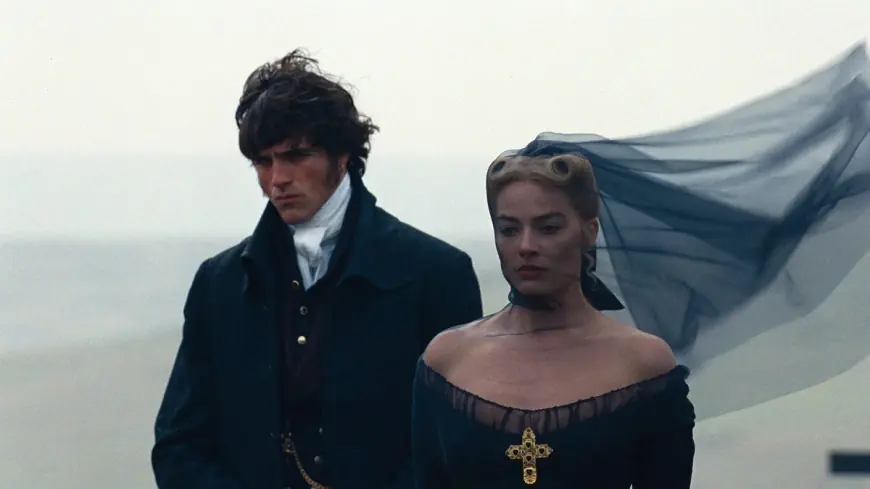
The latest film adaptation of Wuthering Heights opened this weekend and has already produced a fierce cultural conversation. Responses range from admiration for the leads’ on-screen chemistry to dissatisfaction that the movie tames the novel’s singular strange and violent heart. At the center of the debate are questions about what a modern Wuthering Heights should be: a faithful reproduction of Emily Brontë’s unnerving vision, or a new, more sensual interpretation aimed at contemporary audiences.
Critics say the film loses the novel’s essential strangeness
Some critics argue the new adaptation fails to capture the novel’s defining contradictions: love as both destructive obsession and generational redemption. One prominent opinion voice described the film bluntly as not strange enough and not sufficiently romantic to carry the Wuthering Heights name. The critique stresses that Brontë’s story is uncanny and brutal in equal measure — an identity that has long set the novel apart — and that the movie smooths those edges into something closer to a conventional, if stylish, romance.
That view contends the book’s strange architecture — its nested narrators, sudden violences and uncanny imagery — is crucial to its power. By focusing more overtly on the physical allure and chemistry between its central pair, the film risks turning a tale of obsessive ruin and intermittent transcendence into a more straightforward love story, losing the unsettling moral and emotional complexity that has kept the novel provocative across nearly 180 years.
Fans, screenings and the casting controversy
At the same time, the movie has cultivated enthusiastic audiences. A mid-February private screening drew a lively crowd that celebrated Jacob Elordi’s portrayal of Heathcliff and Margot Robbie’s Catherine, with many viewers praising the palpable magnetism between the leads. The film’s pop-leaning soundtrack and explicit romantic scenes have helped sell this version as a contemporary, sex-forward take that leans into fantasy and desire.
But enthusiasm has not quieted another major flashpoint: the character of Heathcliff and how race and appearance are handled on screen. In Emily Brontë’s text, Heathcliff’s origins and complexion are described with terms that underscore his marginalization in the household; critics and viewers have long debated how adaptations should reflect that ambiguity. This new rendering casts Heathcliff as a conventionally handsome, traditionally white romantic lead, prompting accusations that the production whitewashes the character’s complex racial and outsider identity.
That debate is compounded by concerns over the movie’s treatment of abuse. The novel’s long shadow includes scenes of psychological cruelty and coercive control that shape multiple generations of characters. Some viewers worry the film’s emphasis on erotic chemistry sidesteps those darker elements and risks romanticizing behavior that, in the book, is deeply damaging.
What the adaptation debate reveals about adapting Brontë’s Gothic
Wuthering Heights has always invited wildly different readings: some see an epic love story, others a tale of ruin and grievance. Each adaptation must choose which of those poles to amplify. The current film’s choices — emphasizing sexuality, modern pop sensibilities and star chemistry while muting some of the novel’s harsher contours and the character’s racial otherness — have made that editorial stance impossible to ignore.
As conversation continues in theaters and online, the adaptation’s fate will likely hinge on whether audiences accept this as a legitimate reimagining of Brontë’s work or regard it as a misstep that flattens the novel’s contradictions. Either way, the film has renewed attention on how classic texts should be adapted in an era attentive to race, consent and fidelity to source material — and it has ensured that the most famous tempest-driven love story in English letters remains both celebrated and contested.