

























Shrove Tuesday: How pancake recipes evolved from Elizabethan ale to household favourites

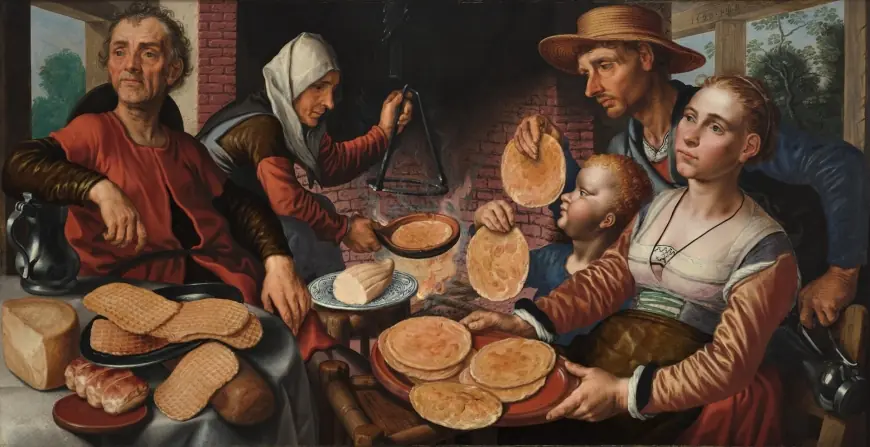
With Shrove Tuesday marking the traditional clear‑out of rich ingredients before Lent, the pancake has long been the dish of choice for cooks looking to use up eggs, cream and butter. Historical recipes show a surprising range of batters and techniques — from ale‑thinned mixes in the Elizabethan era to the spiced, crisp pancakes served in later household manuals.
From pantry clear‑out to Pancake Day ritual
The link between Shrove Tuesday and pancakes is rooted in practical kitchen economics. Eggs, cream, butter and animal fats were foods to be avoided during the Lenten fast, so the days before Lent became a natural moment to use them up. Early pancake recipes reflect that urgency: thin batters cooked until almost dry and crispy, served warm with butter and a dusting of sugar.
Many historic recipes call for ale in the mix, a technique that echoes the batter for beer‑battered fish familiar from later cooking. An Elizabethan recipe advises combining thick cream, several egg yolks, a handful of flour and a few spoonfuls of ale, seasoned with sugar and warming spices such as cinnamon and ginger. The batter is set aside while the cook heats a generous knob of butter until it browns; the fat is tipped from the pan and the batter ladled in as thinly as possible over low heat. The aim is a pancake that is dry and crisp without being burned.
17th‑century tastes: spices, water and fritters
Recipes in the 16th and 17th centuries show variation in both ingredients and philosophy. One popular household manual recommends beating two or three eggs with “fair running water, ” then seasoning the mixture with salt, cloves, mace, cinnamon and nutmeg and thickening with fine wheat flour. The author argues that water, rather than dairy, produces pancakes that are crisp and savoury rather than tough or cloying.
In this period, the terms pancake and fritter were often interchangeable. Fritters could be similar to plain pancakes or include fruit and other fillings — a distinction that mirrors later culinary practice but with more fluid naming conventions in contemporary cookbooks. A diary entry from 1661 captures the social side of the ritual: on Shrove Tuesday that year, a household was busy mixing batter and frying “the best fritters, ” with guests later dining merrily on the results.
Domestic recipe collections of the era offered a wide menu of Shrovetide treats — not only pancakes and fritters but tansies, puddings, custards and cheesecakes — reflecting the importance of these dishes in genteel households. The instructions emphasize technique as much as ingredients: thin ladling, control of heat, and the timing of frying to achieve the right texture.
Legacy: why pancakes endure
The story of Shrove Tuesday pancakes is less about a single definitive recipe and more about culinary adaptation. Recipes shifted what was available, household tastes and the desired texture — crisp or tender, plain or studded with fruit. Spices and ale gave early pancakes a flavour profile that balanced sweetness with warmth, while later cooks debated the merits of water versus dairy in pursuit of an ideal bite.
Today’s Pancake Day remains rooted in that same impulse to use up rich stores before Lent, and the range of contemporary recipes echoes the historical variety: thin and crisp, thick and fluffy, plain or filled. Whether following a centuries‑old method or a modern shortcut, the dish keeps alive a ritual that has long signalled both indulgence and preparation for the fasting season ahead.