























Best pancakes to flip this Shrove Tuesday: from Mary Berry to modern twists

Shrove Tuesday arrives as an open invitation to batter, butter and a little culinary creativity. This year’s coverage highlights dependable classics alongside bold riffs — everything from a fuss-free three-ingredient pancake to towered soufflé stacks and savoury green pancakes built for brunch. Read on for recipes to try, a quick history of Pancake Day, and tips to make every flip count.
Recipes to try
For a straightforward staple, the simple three-ingredient pancake remains hard to beat. The method asks for plain flour, a whole egg plus an extra yolk, and milk; whisk into a smooth batter, let it rest for about 30 minutes, then cook thin pancakes in a lightly oiled frying pan until the surface forms small holes and the edges curl before flipping. This approach is ideal if you plan a classic finish of lemon and sugar or want a blank canvas for more indulgent toppings.
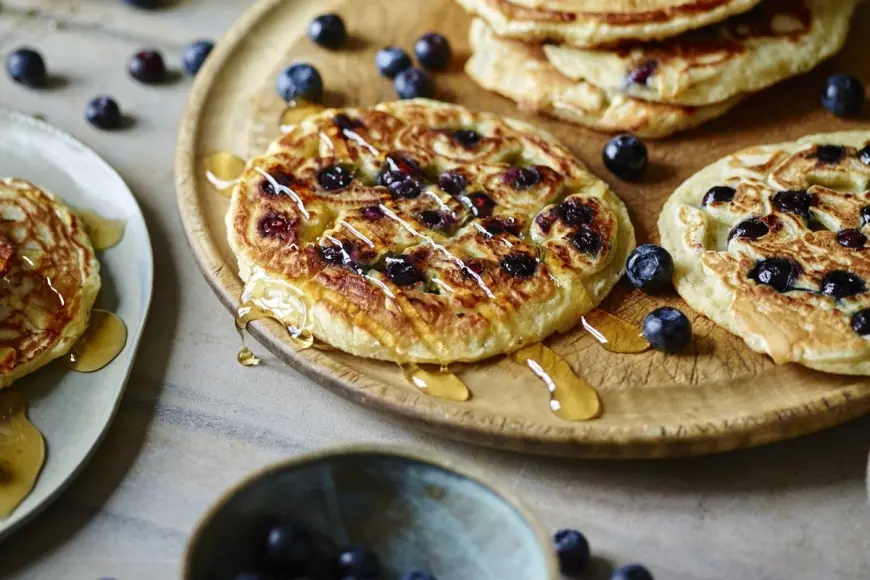
If you favour American-style stacks, look for a fluffier batter with baking powder and a little more lift. Blueberries folded into the mix give bursts of sweetness that caramelise on the griddle, and a knob of butter plus maple syrup keeps things comfortingly familiar. For a green, savoury variation, spinach and herb-infused batter yields pancakes that work equally well with smoked salmon and creme fraiche or a poached egg for a brunch centrepiece.
For those seeking a showstopper, chocolate-filled crepes and rich, decadent fold-ins bring a theatrical element to the table. Alternatively, experiment with international forms: thin French-style crêpes dressed in butter and citrus, or delicate Japanese souffle pancakes that rise into tall, pillowy stacks.
A short history of Pancake Day
Pancake Day began in earnest as a practical moment to use up eggs, milk and sugar ahead of Lent. Early English recipes emphasised thin, crisp pancakes, often fried in butter or animal fat and finished with a sprinkling of sugar. Some historic formulas even used ale in the batter, producing a light, slightly tangy result not unlike beer-battered coatings used in other dishes.
Recipes from the Elizabethan era and later recommended spices such as cinnamon, ginger and nutmeg, and cooks sometimes aimed for a very dry, crisp finish. In the 17th century the words pancake and fritter were sometimes used interchangeably; fritters then often included fruit. Personal accounts from the period describe household preparations as communal and festive, with cooks and family members turning out large batches for merriment before the Lenten fast began.
Toppings, trends and how to win at flipping
Toppings are where Pancake Day splinters into delightfully arbitrary choices. Traditionalists reach for lemon and caster sugar, while others cascade syrup, chocolate sauce or yogurt and fruit over their stacks. Modern brunch culture has embraced cookie-butter spreads, protein blends and extravagant layered constructions, so don’t be afraid to lean into excess if that’s your mood.
Practical tips will improve every cook’s results: rest batter for at least 30 minutes to hydrate the flour for a smoother texture; heat the pan to medium-high, oil lightly, and pour just enough batter to coat the base; flip when small holes appear and edges lift slightly. Use a palette knife if you’re nervous, or try a confident wrist toss once you’ve practised on a few sacrificial pancakes. And remember the simplest rule of all: make more batter than you think you’ll need.
Whether you choose delicate crêpes, towering American stacks, savoury green pancakes or a historic crisp fritter, shrove tuesday remains one of the most forgiving food traditions: it encourages experimentation, conviviality and the occasional syrup-fuelled overindulgence.