























Chinese New Year 2026: Year of the Fire Horse ushers in robots, rituals and feasts

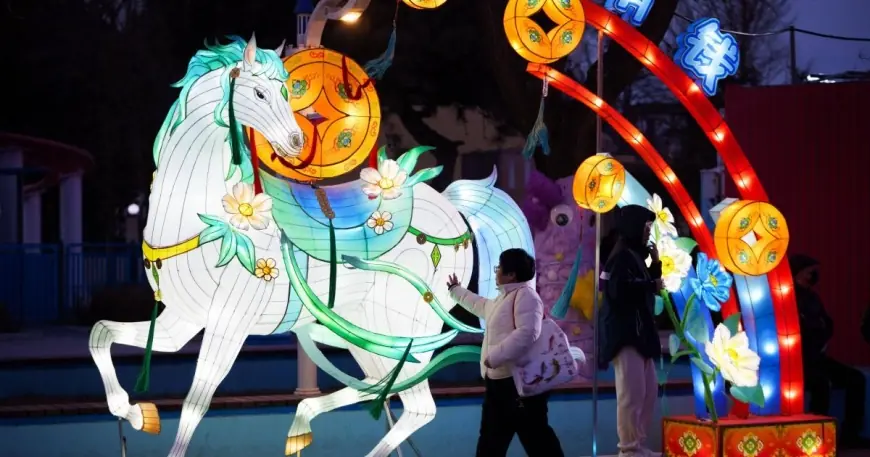
The Lunar New Year — a 15-day festival that falls between January 21 and February 20 (ET) — has kicked off across Asia and in diaspora communities worldwide as the Year of the Fire Horse arrives. Celebrations have ranged from robot-studded stage shows in major cities to intimate family offerings and evolving traditions that reflect social and technological change.
Humanoid robots and high-tech spectacle
High-profile shows this season have placed humanoid robots in the spotlight. Variety programmes and gala stages in major cities featured robot dancers, martial arts routines and comedy segments alongside human performers. Start-ups presented hour-long shows in urban centres, and several robotics firms had humanoids perform on national entertainment programmes, underscoring the rapid integration of advanced machines into public festivities.
China’s broad investments in robotics and artificial intelligence are visible in these displays. Industry specialists say domestic firms are well positioned to push further into the global humanoid market. The festival spotlight on robots served both as entertainment and as a showcase for commercial capabilities, reinforcing an image of technological optimism at the start of the lunar year.
Food, family and changing observances
Food remains central to observance and identity across the region. In some Southeast Asian communities a raw fish salad is tossed jointly by diners as a ritual meant to summon prosperity, while other traditions see tins of luncheon meat exchanged as New Year gifts. In Vietnam, regional variants of sticky rice cakes dominate Tet tables: a square, banana-leaf-wrapped cake in the north and a cylindrical counterpart in the south. Symbolic offerings such as a whole boiled chicken, sometimes presented with a red rose in its beak, continue to signal wishes for completeness, unity and good fortune.
At the same time, rituals are evolving. A notable shift is underway in South Korea where a rising share of people are opting out of elaborate ancestor tables. Recent surveys indicate more than 60% will not prepare the traditional charye offering this year, reflecting broader changes in how younger generations balance custom, time pressures and personal belief. Across many cities, countdown concerts, light shows and public fireworks sit alongside quiet temple vigils and family kitchens.
Politics, public messaging and global reach
Not all changes are celebratory. Authorities in multiple jurisdictions have reaffirmed tighter control over public messaging during the holiday period. One notable focus this year targeted posts and content that praise voluntary childlessness, part of a broader push to promote state-favoured social norms. That approach intersected with festival coverage and social-media chatter, shaping what is visible in public celebrations.
The New Year festivities also extended far beyond Asia. Overseas communities staged dragon and lion dances, temple vigils, food markets and cultural performances from Europe to the Americas, illustrating the holiday’s global cultural reach. In some places, the events offered moments of diplomacy and commerce as well as cultural exchange, with local governments and community groups staging parades, food fairs and lantern displays.
As the Fire Horse year begins, celebrants balanced hope and pragmatism. The holiday’s core themes — reunion, renewal and good fortune — remained constant, even as the forms they take continue to reflect technological advances, shifting family patterns and political pressures. For many, the next 15 days will be a mixture of sticky rice cakes, tossed salads, incense prayers and, increasingly, performances where gears and servos share the stage with drums and firecrackers.