
















Elana Meyers Taylor Emerges as Central Figure in U.S. Bobsled Conversation During Winter Games

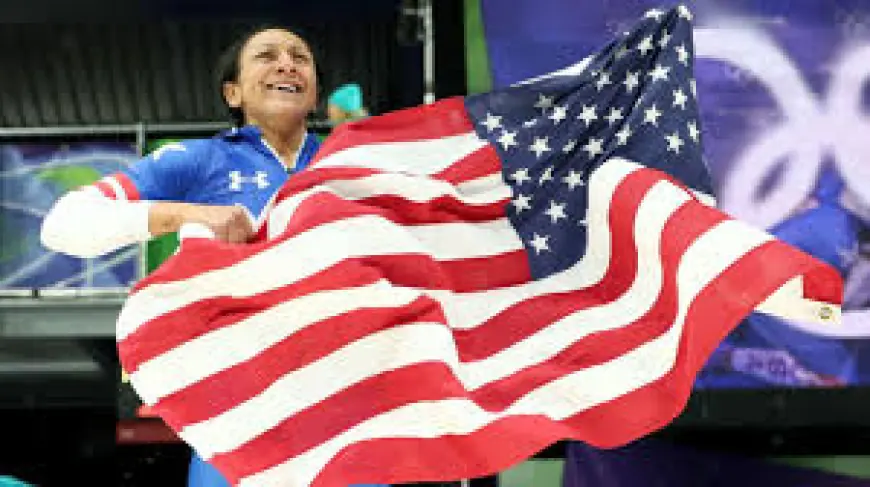
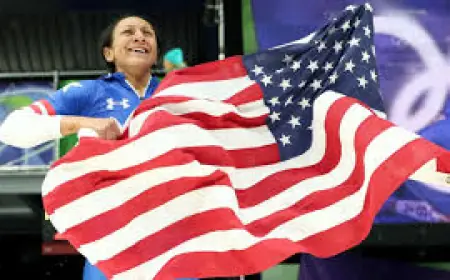
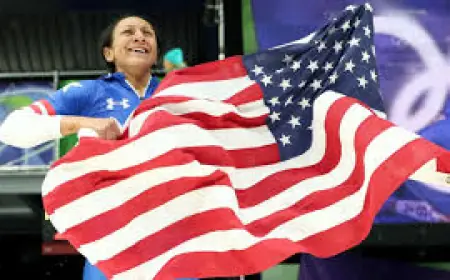
Elana Meyers Taylor, the veteran U. S. bobsled athlete, has become a focal point of recent media attention as the Winter Games unfold. Coverage has emphasized her ongoing influence inside the track and beyond it, from mentorship of younger teammates to broader conversations about the sport’s development and athlete welfare.
Leadership on and off the ice track
Observers note that Meyers Taylor’s presence remains a stabilizing force for athletes and staff alike. As the U. S. bobsled program navigates selection decisions and tactical shifts during the Games, she has been portrayed as a steadying voice on matters ranging from sled setup to race-day preparation. Her experience has been cited as a resource for less-seasoned pilots and brakemen seeking to accelerate their learning curve under intense competition conditions.
Within team environments, senior athletes often shape culture as much as performance. In recent coverage, Meyers Taylor’s role in fostering professionalism and accountability has been highlighted: teammates and coaches increasingly lean on her for guidance about training intensity, race routine, and how to handle the unique pressures that accompany international winter competition. That behind-the-scenes influence is being credited with helping younger crew members adapt faster to the elite level.
Shaping the sport’s future and athlete welfare
Beyond immediate competitive concerns, commentaries have focused on Meyers Taylor’s broader impact on the sport. Coverage has pointed to her involvement in efforts to improve pathways for women in bobsled, spotlighting programs that aim to expand recruitment and retention. Conversations have also emphasized athlete welfare topics that are gaining traction across winter sports, including mental health support, long-term career planning, and transition programs for athletes moving out of competition.
Industry observers have noted that prominent athletes who take on leadership and advocacy roles can accelerate policy change. In that light, Meyers Taylor’s visibility during the Games has been framed as more than symbolic: it is seen as a practical influence on conversations about funding priorities, coaching resources, and equipment innovation. Those discussions could shape training cycles and selection processes leading into the next Olympic quadrennial.
What comes next for the U. S. bobsled program
As the Games continue, attention will likely remain on how established competitors and emerging talent coexist within high-stakes team dynamics. Recent storytelling has emphasized that the decisions made now—about who leads crews, which pilot lines get priority, and how support systems are structured—will reverberate through future seasons.
For Meyers Taylor specifically, the present coverage frames her as a bridge between eras: an athlete whose competitive résumé provides credibility and whose ongoing engagement with teammates and sport administrators gives her a continuing platform for influence. Whether that influence manifests in coaching roles, advocacy initiatives, or informal mentorship, it is clear from current narratives that her imprint on U. S. bobsled extends well beyond any single run.
Coverage through the remainder of the Games is expected to further examine how veteran leadership and emerging talent combine to define the next chapter for the sport. For now, Meyers Taylor’s visibility serves as a reminder that individual athletes can shape the culture and direction of an entire program during the most visible moments of international competition.