

























Elana Meyers Taylor Claims First Olympic Gold in Photo‑Finish Monobob Thriller

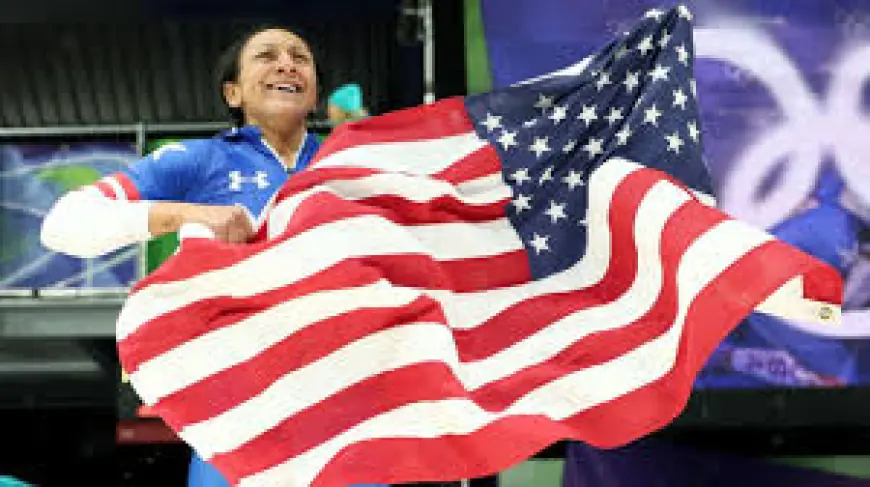
Elana Meyers Taylor (elana meyers taylor) completed a long‑running quest Monday night (ET), winning her first Olympic gold in the women’s monobob in the closest bobsleigh finish in Games history. The 41‑year‑old’s victory capped a career of barrier‑breaking performances, fierce advocacy and persistent comeback from injury.
A landmark win after a career of near misses
Meyers Taylor stood atop the podium in a result that felt overdue. Entering her fifth Olympic appearance with three silver and two bronze medals from prior Games, she had long been among the sport’s most decorated athletes. Her monobob triumph edged Germany’s Laura Nolte by a mere 0. 04 seconds, delivering the narrowest margin in women's Olympic bobsleigh and securing the elusive gold that had previously escaped her.
The victory also rewrote a couple of records. At 41, she became one of the oldest individual Winter Olympic gold medalists, surpassing a longstanding benchmark. Beyond the statistics, the win represents the endpoint of an arc that includes World Cup success, world championship medals and a critical role in elevating women’s opportunity in the sport.
Perseverance amid pain, crashes and family demands
This season had been among the toughest of Meyers Taylor’s career. She entered the Games without a World Cup podium in the lead‑up, grappling with a bad back, a history of concussions and the psychological fallout of a severe crash in St. Moritz the month before. Yet those physical challenges were only one dimension of the test she faced.
Balancing elite competition with parenting responsibilities defined much of the cycle. Her two young sons travel much of the European circuit with her and a nanny. Nico, five, and Noah, three, are both deaf, and Nico also has Down’s syndrome. The logistical and emotional work of raising young children with additional needs while training and competing at the highest level added an unusual, sustained strain.
Meyers Taylor credited a wide network for getting her to the start line: coaching staff, federation personnel and extended family, including her husband, a former bobsledder who manages work commitments back home. She has repeatedly emphasized that the gold represents not only personal triumph but collective effort and sacrifice.
Legacy: advocacy, inclusion and impact on the sport
Her career has extended beyond medals. Meyers Taylor competed regularly with men on the World Cup tour and in world championships, and she played a pivotal role in pushing women’s monobob into the Olympic program. Her presence on the circuit and in public life has highlighted issues of representation, accessibility and inclusivity—especially for Black athletes, mothers and families with disabilities.
With more than 20 World Cup wins, multiple world championship medals and overall world titles separated by years, her competitive longevity is notable. But perhaps the most enduring part of her legacy will be the doors she helped open: for women seeking parity in sliding disciplines and for athletes balancing elite sport with family caregiving responsibilities.
As she processed the gold medal moment, Meyers Taylor acknowledged the long road that led there and suggested the feeling might take time to sink in. For the sport and for many who have followed her journey, the sight of her on the top step was both vindication and inspiration—a reminder that persistence, community support and unrelenting drive can converge to create a defining Olympic moment.