
























Lunar New Year 2026: Year of the Fire Horse ushers in travel, food rituals and unexpected memes

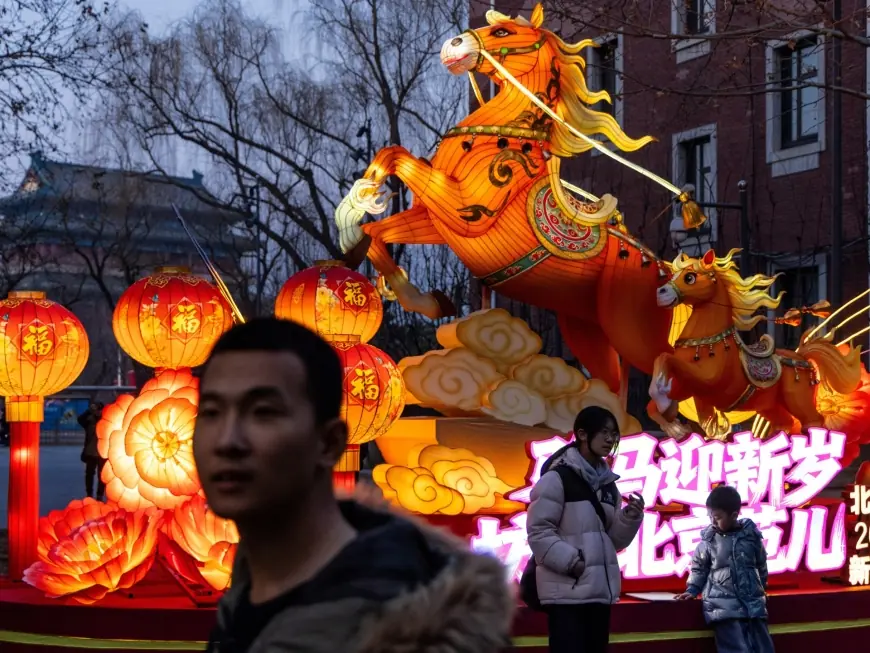
The Year of the Fire Horse begins on Tuesday, February 17, 2026 (ET), kicking off a 15-day festival that typically falls between January 21 and February 20. As millions travel for family reunions and public celebrations, a mix of long-standing traditions, modern consumer drives and surprising pop-culture moments are defining this year’s observances.
Mass movement, consumption push and a high-profile gala
In China the arrival of the Fire Horse has been accompanied by one of the largest annual human migrations, as people journey to reunite with family. The holiday period is seen as a prime moment to stimulate domestic spending, with authorities and businesses rolling out promotions intended to convert travel and gatherings into a boost for the broader economy.
The official holiday schedule for 2026 extends to nine days, with New Year’s Day itself on Tuesday, February 17, 2026 (ET). The night before featured a major televised gala on Monday night, February 16, 2026 (ET), that blended traditional performance elements with high-tech spectacle — including a synchronised kung fu routine staged by children and robotic performers — underscoring efforts to marry heritage and modernity in this year’s messaging.
Beyond celebrations, there are tensions worth noting: authorities have intensified controls on content they deem antisocial. This year’s enforcement expanded to include posts that praise not having children, reflecting an uneasy intersection of cultural policy and online expression during a festival that traditionally emphasises family and fertility.
Traditions and food — from communal tossing to symbolic chickens
Food remains central to the festivities and regional customs offer striking variety. In parts of Southeast Asia, a raw fish salad called yusheng is popular at reunion meals; the dish is only considered complete after everyone at the table tosses it together with chopsticks, a ritual meant to usher in prosperity through collective participation.
Food gifts also vary. In one economy, tins of luncheon meat have become commonplace New Year presents, reflecting a blend of practicality and nostalgia in gift-giving choices.
Vietnam’s Tet observances showcase regional culinary distinction: in the north, families prepare bánh chưng, a square package of glutinous rice, mung beans and pork wrapped in leaves; in the south the cylindrical bánh tét is more common. A striking offering across the country is the whole boiled chicken, presented intact with head and feet attached and often featuring a red rose in its beak. The display symbolises completeness and unity, the red flower reinforcing wishes for luck and prosperity.
Changing rituals, pop culture and quieter streets
Traditions are evolving. In one East Asian society many households are opting for simpler observances; a recent trend shows more than 60% of people saying they will not set up the elaborate ancestral charye tables that once dominated New Year gatherings. The shift speaks to changing family structures, time pressures and different expressions of respect for ancestors.
At the same time, unexpected pop-culture moments have filtered into decorations and street displays. A fictional character whose translated name contains the characters for "horse" and "fortune" has surfaced on new-year decorations and banners, its popularity amplified by the character’s broad recognition and a local pronunciation that echoes auspicious terms for the year. The phenomenon has been notable enough that a major themed studio tour in one city is set to open next year, further cementing the leap from on-page fiction to festive iconography.
Not all urban centres are bustling yet. In one well-known Chinatown, preparations were under way but celebrations had yet to begin, with only a few delivery vans and workers visible as traders readied for the main events. That quiet underscores the staggered nature of festivities worldwide — some communities are already in full swing while others wait for the high point of reunions and public performances.
Astrologically, 2026 pairs the Horse with the element known as Bing, or fire, a combination that recurs every 60 years; the last Bing Fire Horse year was 1966. For many celebrants, the pairing suggests optimism and opportunity — a hopeful note as millions mark the transition into a new lunar cycle.