

























Anderson Cooper to exit long-running newsmagazine amid newsroom shake-up

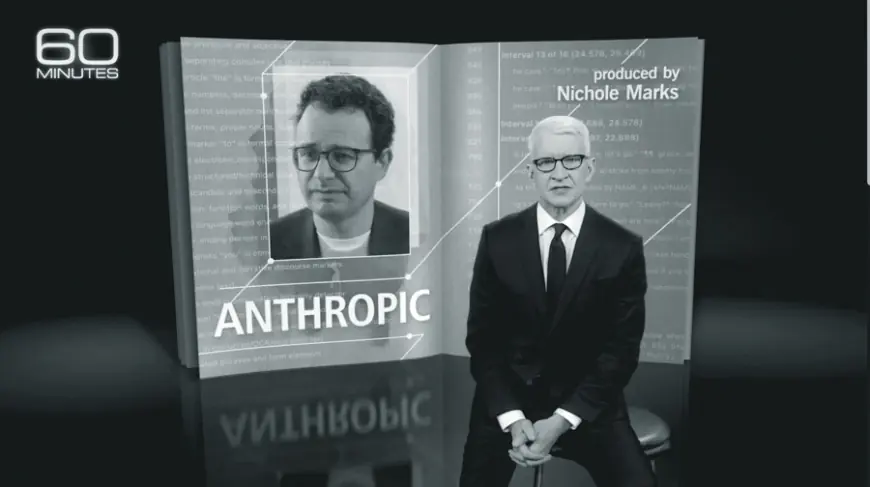
Anderson Cooper announced on Monday, Feb. 16, 2026 (ET), that he will leave the long-running newsmagazine where he has served as a correspondent for nearly two decades., Cooper framed the move as a personal decision to spend more time with his young children, but his departure comes as the news organization undergoes management changes that have unsettled staff and prompted questions about editorial independence.
Cooper cites family priorities after years balancing roles
"Being a correspondent at the newsmagazine has been one of the great honors of my career, " Cooper said, noting the chance to tell high-impact stories and work with veteran producers, editors and camera crews. He added that, for almost twenty years, he balanced those duties with hosting responsibilities at another network, but with young children at home he wants to be present while they still want to spend time with him.
Cooper’s reporting for the magazine in recent seasons has included in-depth pieces on people suffering long-term effects from Covid-19 and an investigation into a wreckage found near Mobile, Alabama, believed to be the last slave ship to land in the United States. Over the course of his career he has covered major events including the Iraq war, Hurricane Katrina and the Gulf of Mexico oil spill.
Industry insiders indicate Cooper declined to sign a renewed agreement with the news organization, which means his tenure will end after the current season concludes. The decision leaves open questions about where he will focus his energies next — whether toward more reporting, his existing broadcast commitments, or the family time he highlighted.
Leadership changes have fueled concerns about editorial autonomy
Cooper’s exit comes amid a broader shake-up under the network’s new ownership and leadership. The owner installed a new editor-in-chief, a high-profile hire with a background outside broadcast journalism; that appointment has prompted debate inside the newsroom about how editorial priorities will be set going forward.
One flashpoint came when the editor-in-chief ordered the magazine to hold a planned report on a detention facility in El Salvador where migrants from Venezuela had been jailed without due process. The hold was justified on the grounds that the story lacked the perspective of the U. S. administration that was criticized in the piece; that administration had declined requests for comment. The decision to hold the story has been cited by some current and former staffers as emblematic of rising editorial tensions.
Those developments have left the newsmagazine and its parent newsroom navigating a difficult moment: a storied investigative program with a legacy of long-form reporting is now confronting internal restructures, questions about whether journalistic independence will be preserved, and the practical consequences of losing a high-profile correspondent.
Implications for the program and Cooper’s next steps
The departure of a marquee correspondent removes a familiar face from the program’s roster and could accelerate other personnel changes as the newsroom adapts to new leadership and priorities. For viewers and staff alike, the loss raises questions about the program’s future direction and how it will sustain the depth and ambition of its investigative journalism.
For Cooper, the stated priority is clear: more time with his family. But the timing and context of the exit suggest a combination of personal and professional factors drove the decision. As the season closes and contracts lapse, attention will turn to how the program replenishes its on-air talent and whether the newsroom can reconcile managerial shifts with the editorial norms that have underpinned its reputation for hard-hitting reporting.
Cooper’s final pieces for the magazine will run through the current season, offering viewers a last look at his contributions to long-form journalism even as the industry watches how the organization he is leaving manages the fallout from both his exit and the leadership changes that preceded it.