

























Lunar New Year 2026: Year of the Fire Horse ushers in robots, rituals and feasts

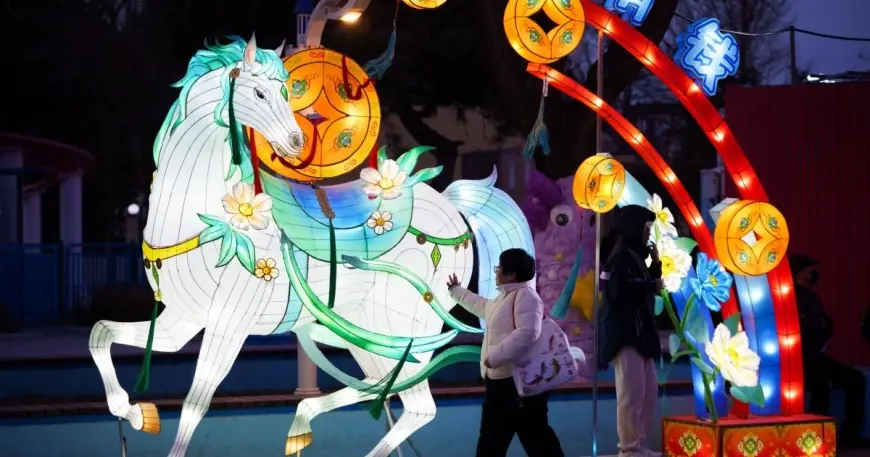
Millions across Asia and around the world welcomed the Year of the Fire Horse on Tuesday, February 17, 2026 (ET), launching the 15-day Lunar New Year festival that falls between January 21 and February 20 each year. Celebrations ranged from robot performances on national stages to quiet temple prayers and family feasts, underscoring a mix of high-tech spectacle and enduring tradition.
Humanoid robots and high-tech pageantry
Robots once again commanded attention at major New Year broadcasts and public events. In Shanghai, a local start-up staged an hour-long variety show featuring humanoid robots in dance, comedy and music segments. The Spring Festival gala lineup for this year included humanoids from several start-ups performing onstage, while separate gala excerpts showcased martial-arts routines with child performers and robots demonstrating choreographed sword sequences.
These performances come amid significant domestic investment in robotics and artificial intelligence, with firms positioning themselves to expand in the global humanoid market. The prominence of machines on prime-time stages serves both as celebration and soft-power display: a symbolic mix of cultural continuity and technological ambition.
Food, family rituals and quieter observances
Food remained central to the holiday. In Malaysia and Singapore, yusheng — a communal raw fish salad — kept its ceremonial role, with the tossed salad eaten only after everyone participates using chopsticks. In South Korea, tins of luncheon meat have become a popular New Year gift, while many households are opting out of large ancestral tables; a recent trend shows more than 60% saying they will not set up the elaborate charye arrangements this year, favoring simpler rituals instead.
Vietnamese Tet tables displayed regional variety: in the north, families prepared bánh chưng, a square sticky rice cake wrapped in banana leaves and filled with mung beans and pork; in the south, the cylindrical bánh tét was more common. A striking offering for many Vietnamese households was a whole boiled chicken presented upright, often with a red rose placed in its beak — a symbol of completeness, unity and alert dignity for the year ahead.
Temples, fireworks and global gatherings
Religious observance and public spectacle coexisted across cities. Devotees flocked to temples at midnight to light incense sticks and offer prayers; in one capital, the solemn peal of a temple bell rang 108 times as worshippers left colorful bouquets on outdoor altars. Fireworks and light shows brightened skylines and bridges, while dragon and lion dances animated streets and plazas.
Outside Asia, communities marked the New Year with cultural fairs, martial arts demonstrations and food markets. Snow-covered streets in some northern cities were strung with red lanterns; Latin American Chinatowns staged parades and performances, and outdoor concerts and fireworks drew crowds in multiple capitals, reflecting the festival's global reach.
Not all the coverage was celebratory. In parts of China, authorities launched their annual crackdown on online material deemed antisocial; among the content targeted this year were posts promoting the virtue of not having children. The move highlights tensions between cultural change and official moral campaigns during a period of intense public attention.
As communities move through the first days of the Fire Horse year, the mood is one of cautious optimism: a blend of noisy street revelry, family reunions and, in some places, more subdued or simplified remembrance of ancestors. Whether celebrated with cutting-edge robot performances or with the sharing of traditional cakes and whole chickens, the festival remains a potent moment for renewal and for hopes of good fortune in the months ahead.