





















Fat Tuesday 2026: New Orleans marks Mardi Gras with parades, riverfront traditions and stepped-up enforcement

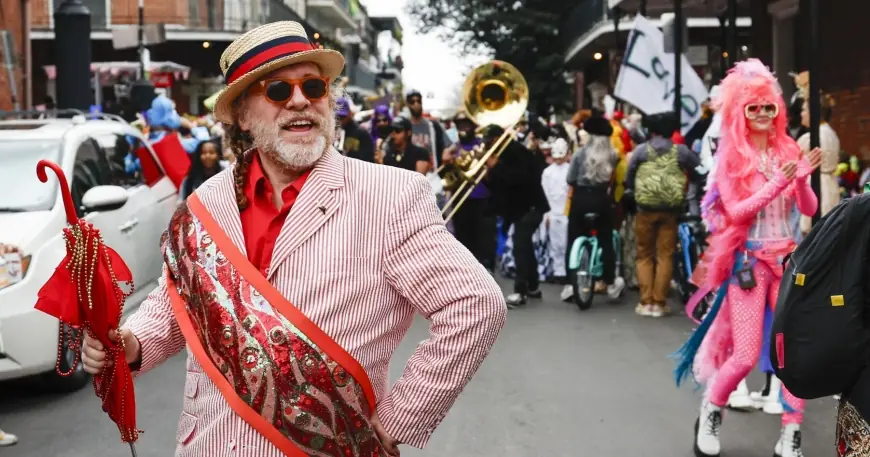
New Orleans and neighboring parishes moved into the final, crowded stretch of Carnival on Fat Tuesday 2026, with major parades rolling, longtime masking and riverfront traditions in full display, and city officials reiterating a zero-tolerance posture on dangerous behavior along routes. Large crowds packed the French Quarter, Uptown and suburban parade corridors as the day’s celebrations unfolded.
Parades and time-honored rituals dominate the day
Uptown street routes saw floats and marching krewes continue their season-long run of spectacles. One of the high-profile pre-Mardi Gras events included the roll of a major krewe Uptown the night before Fat Tuesday, which featured a custom float honoring a newly elected Pro Football Hall of Famer and an actor serving as the krewe’s Bacchus. Across neighborhoods, walking clubs and neighborhood krewes kept long-running traditions alive.
In the early hours on Fat Tuesday, revelers were reminded that Carnival blends pageantry with solemn local rites. The North Side Skull and Bones Gang carried a centuries-old masking tradition onto Bayou Road at 5: 00 a. m. ET, while brass bands and Big Chief processions supplied sunrise soundtracks at venues opening doors for free performances. The Societe de Sainte Anne’s St. Anne walking parade gathered midmorning in the Marigny and wound through the French Quarter, finishing at the Mississippi River where participants often leave memorial tributes to the deceased.
Suburban and regional rolls also figured into the day. A majority-Asian krewe marked the alignment of Mardi Gras Day with Lunar New Year by sharing the route with a Metairie krewe, and on the Northshore a pause in a Covington parade became the setting for a public proposal along the Krewe of Olympia route.
Safety, enforcement and high-profile incidents
Officials emphasized that the revelry would not override public-safety priorities. The mayor warned that police would remove, cite or arrest anyone engaging in dangerous or criminal behavior and that floats could be emptied if participants’ actions jeopardized others. Enforcement actions earlier in the season underscored the warning: riders on one float were removed after aggressive throwing toward federal agents was observed, and wildlife officers arrested a convicted felon after he walked a live alligator through Bourbon Street crowds; authorities also said he was found in possession of a firearm and marijuana.
Parade routes saw a visible law-enforcement presence, and parade organizers reiterated rules for riders and participants. City and parish public-safety teams coordinated crowd movement and barrier placements along popular corridors, while riverfront traditions continued with additional marshal support where memorial installations form at the levee.
What revelers should expect and practical tips
Fat Tuesday celebrations begin before dawn in many sections of the city and extend through the evening. Those planning to attend should be prepared for dense crowds in the French Quarter, Uptown parade routes and suburban parade corridors. Early-morning events such as the Skull and Bones Gang walk begin around 5: 00 a. m. ET, and costumed walking parades and contests often fill midmorning and midday schedules, with popular costume contests starting around noon.
Organizers and city officials advise attendees to travel light, secure personal belongings, and follow instructions from marshals and police. Avoid risky behavior near floats or crowds, and be mindful that participants who create hazards may be removed from routes. For anyone attending riverfront or memorial events, show respect for the traditions and spaces where families remember loved ones.
As beads flew and brass bands played, Fat Tuesday 2026 combined the joyful excess of Carnival with reminders that public safety and long-standing cultural practices remain central to how New Orleans and surrounding parishes conduct their biggest celebration of the year.