
























Lunar New Year 2026: Year of the Fire Horse ushers in prayers, robots and changing rituals

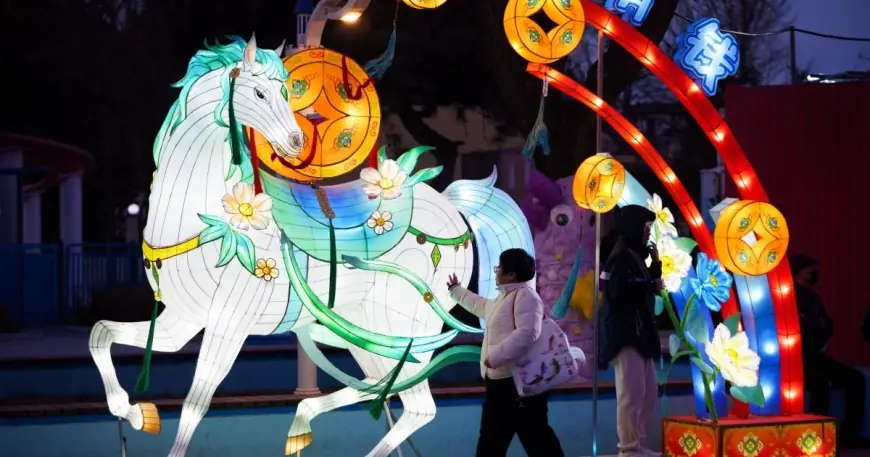
Communities from Beijing to Buenos Aires welcomed the Year of the Fire Horse on February 17, 2026 (ET), blending ancient rites with modern spectacle. The 15-day festival, which falls between January 21 and February 20 each year (ET) and coincides with the first new moon of the lunar calendar, has once again become a stage for both cultural continuity and contemporary shifts.
High-tech pageantry: robots take centre stage
This year’s televised New Year galas and public performances highlighted an accelerating trend: humanoid robots appearing alongside human performers. Multiple robotics firms sent humanoids to perform choreographed dances, martial-arts displays and variety-show segments, with some machines even brandishing prop swords in coordinated routines. In Shanghai, a start-up hosted a full variety show that placed humanoid robots at the centre of dance, comedy and musical acts, while other national gala programmes showcased robots built by several firms.
The prominence of humanoid performers reflects broader investments in robotics and artificial intelligence across the region. Industry observers say domestic firms are positioning themselves to compete in a growing global market for humanoid machines. For many viewers the displays were a blend of entertainment and a statement about technological capability, as families watched an ancient festival reimagined with mechanical dancers on screens and stadium stages alike.
Food, ritual and quieter observances
Food again drove much of the celebration, with regional dishes and distinctive customs on display. In parts of Southeast Asia, communities tossed yusheng, a raw fish salad that is traditionally mixed in the air with chopsticks to symbolise abundance and good fortune. In South Korea, tins of luncheon meat continue to be a popular gift during the season, while many households opt for simpler New Year plates rather than elaborate spreads.
Vietnam’s Tet festivities centred on symbolic staples such as sticky rice cakes. In northern areas families prepared bánh chưng, a square cake wrapped in leaves and filled with glutinous rice, mung beans and pork; in the south, the cylindrical bánh tét prevailed. An especially evocative offering remains a whole boiled chicken presented upright with a red rose in its beak — a visual symbol of completeness, unity and auspicious beginnings.
Traditional ancestor rites are evolving. In South Korea a growing share of the population has moved away from large, elaborate charye tables honouring forebears. More than 60% indicated they would not hold those formal ancestor offerings this year, reflecting changing lifestyles, smaller family units and practical constraints that are reshaping how families mark the new year.
Global gatherings, prayer and political undercurrents
Beyond Asia, Lunar New Year events drew crowds from Moscow’s snow-dusted streets to vibrant Chinatowns in South America. Communities staged dragon and lion dances, fireworks and pop music countdowns, while temples in cities such as Taipei and Hong Kong filled with worshippers offering incense and making wishes for the year ahead. One temple bell rang 108 solemn peals as early-morning devotees filed past altars and left flower offerings.
At the same time, authorities in some places used the holiday moment to tighten content controls on social media, focusing on material deemed antisocial. This year’s enforcement measures included scrutiny of posts that promoted voluntary childlessness, illustrating how cultural celebrations can intersect with broader policy priorities. The New Year thus became not only a time for pageantry and family reunion but also a flashpoint for debates about social norms and governance.
As the Fire Horse year begins, celebrations combined sensory staples — incense, oranges, sticky rice cakes and fireworks — with increasingly visible signs of modern life, from humanoid performers to changing family practices. For millions the festival remains a profound mix of continuity and reinvention, with hopes that the coming year will bring prosperity, unity and renewed fortune.