






















Robert Duvall, Oscar-winning actor and Hollywood mainstay, dies at 95

Robert Duvall, the versatile actor whose grizzled authority and hidden vulnerability defined a seven-decade screen career, has died at the age of 95. He leaves behind a body of work that ranges from small but indelible moments to leading, Oscar-winning turns.
A catalogue of unforgettable roles
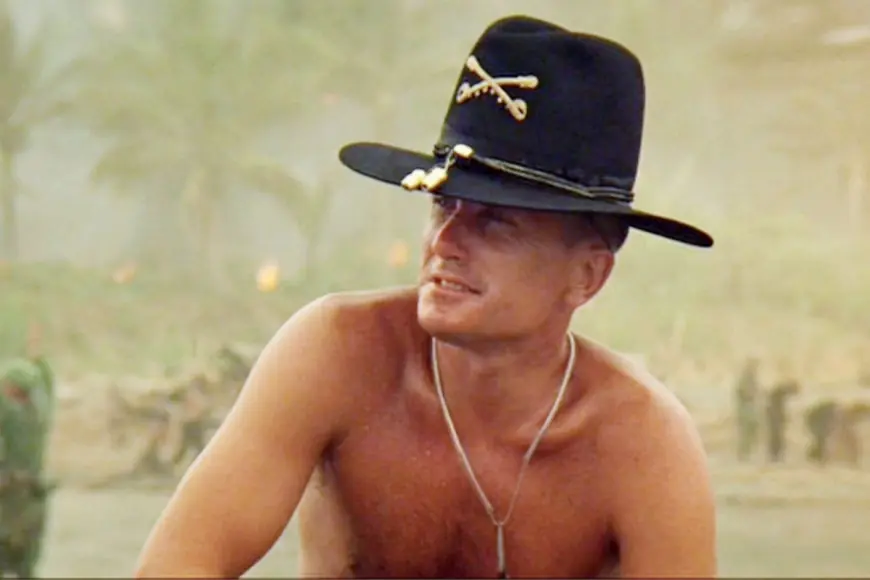
Duvall’s screen presence could be spare or volcanic, but it was always unmistakable. He introduced audiences to the reclusive Boo Radley in his film debut and went on to inhabit a parade of characters who felt lived-in and morally complex. He was the cool-headed consigliere Tom Hagen in two crime-epic chapters, the bombastic Lieutenant Colonel Bill Kilgore in a Vietnam-set drama—delivering the line “I love the smell of napalm in the morning”—and a haunted country singer whose fragile redemptive arc earned him the Academy Award for best actor in 1983 for the role in Tender Mercies.
Other notable turns included a mercurial army officer in a wartime odyssey, a Texas lawman turned cattle driver in a television western epic, and a variety of compelling supporting parts in mainstream Hollywood films. Nomination lists tallied seven Academy Award nods over the decades, underscoring both his range and the industry’s recognition of his craft.
From a navy brat to a New York acting student
Born in San Diego in January 1931 to a father who made the navy his career, Duvall grew up with an expectation that he might follow a military path. Instead he served two years in the army after finishing college and then decamped to New York to study acting. He supported himself with odd jobs while training and sharing an apprenticeship with future colleagues who would also become fixtures of American cinema.
Early work onstage in plays by major American dramatists sharpened his instincts for interior life and restraint. A breakout stage performance led to that first film casting, and the steady accumulation of parts that demonstrated his ability to animate a script with small, decisive choices. Directors repeatedly turned to him for roles that required moral ambiguity: a man who could be authoritative and tender, blunt and quietly broken.
Legacy: toughness threaded with vulnerability
Duvall’s craft rested on a paradox: his on-screen machismo often concealed an undercurrent of doubt, regret and softness. That tension made even brief appearances linger in the memory. He could dominate a scene without gesturing for attention, and he brought a lived-in texture to leading parts as readily as to supporting ones.
Colleagues and fans will recall both the signature moments and the quieter ones—the stubborn stubbornness of the characters he played, and the human frailty he allowed them. Across decades of changing cinematic styles he remained a steady presence, an actor directors could rely on to bring authenticity to a wide spectrum of American life.
As news of his passing spreads, reflections on his work will emphasise the intensity he brought to every role, the singular sound of a gravelly delivery, and the moral shadows he could conjure with a glance. Robert Duvall’s films will continue to be studied and watched, and his performances will endure as part of the fabric of modern cinema.