

























Pam Bondi’s Fiery Hearing Spotlighted Contempt for Oversight and Political Theater

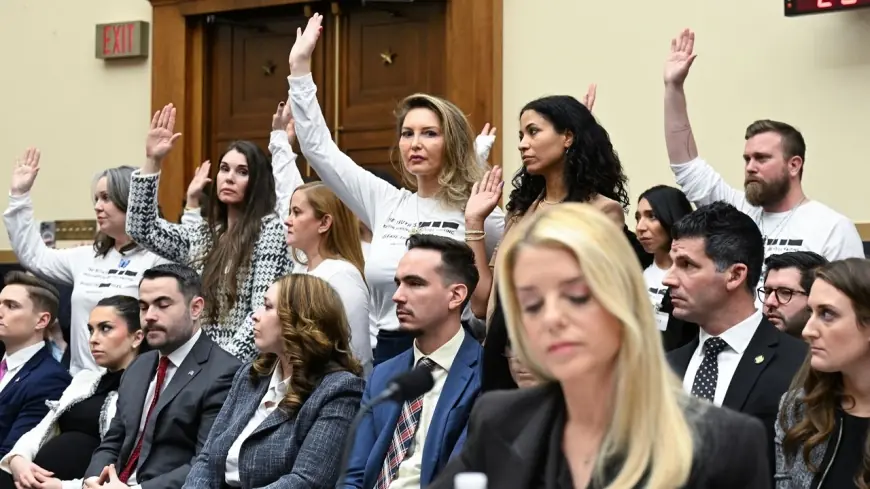
Attorney General Pam Bondi faced a marathon congressional oversight session Wednesday (ET) that devolved into a spectacle of heated exchanges, partisan sparring and pointed deflections. The four-and-a-half-hour hearing left lawmakers frustrated and underscored enduring tensions between the Justice Department and Capitol Hill over transparency, sensitive investigations and the limits of congressional questioning.
What happened on the floor: confrontations and a 'burn book'
The hearing opened as an expected oversight exchange but quickly shifted into a series of aggressive interactions. Bondi repeatedly pushed back against questions, using what lawmakers described as a prepared binder of oppositional material she flipped to during exchanges. The binder—labeled by some in the room as a "burn book"—was employed to counterattack members who pressed her on policy and investigative matters.
Moments of personal barbs punctuated procedural debate. Bondi told several Democrats they were ineffective lawyers and at one point admonished a Republican who had pressed for the release of files tied to a high-profile, decades-old sex-trafficking investigation. She also took aim at members across the aisle, dismissing some questions as insults rather than avenues for oversight. The tenor of the session suggested a strategy of whataboutism and diversion: rather than answer certain lines of inquiry about departmental actions, Bondi redirected attention to past actions or characterizations of the questioners themselves.
Oversight challenged: facts and refusals
Committee members left the hearing with unanswered requests for basic information. Repeated efforts to obtain records or a clear accounting of internal designations and investigative steps were met with resistance. When asked for lists of designated violent or extremist groups, Bondi declined to provide the documents sought and instead framed the questions as attacks on her office rather than requests for public safety clarity.
The inability of lawmakers to extract substantive answers highlighted persistent friction between congressional oversight powers and the Justice Department’s protective posture. The exchange suggested a broader posture: when under scrutiny, the attorney general leaned into confrontational tactics that raised questions about the department’s willingness to be transparent on politically sensitive matters.
Political stakes and lingering controversies
The hearing occurred against a backdrop of intense public interest in high-profile investigations. Lawmakers urged the attorney general to address outstanding document releases linked to a notorious sex-trafficking figure, and one member who has pushed for disclosure was publicly ridiculed during the session. Those moments fed into narratives that elected officials are sometimes thwarted in efforts to obtain records that could illuminate long-standing questions.
Bondi’s gushing praise for the President during the hearing, even when it was tangential to the matters at hand, reinforced perceptions that her leadership of the Justice Department is closely aligned with political priorities. That alignment, combined with a combative approach to oversight, prompted concerns among members who viewed the session as less an accountability exercise and more a performance that deflected scrutiny.
Legal scholars and oversight advocates say hearings like this one can accomplish little when access to facts is blocked or when confrontational tactics replace substantive answers. For critics, the theater of the hearing risked obscuring the very real questions about how sensitive investigations are managed and whether political considerations ever interfere with law-enforcement decision-making.
Whether the hearing changes the calculus inside the Justice Department or prompts any follow-up actions from Congress remains uncertain. But Wednesday’s session offered a clear portrait of the current dynamic: a top law-enforcement official willing to meet oversight challenges with combative rhetoric, partisan counterpunches and a preference for performance over disclosure—fueling debates about the proper balance between accountability and institutional prerogative.