

























Syracuse Suffers 101-64 Rout at No. 3 Duke in Season-Defining Loss

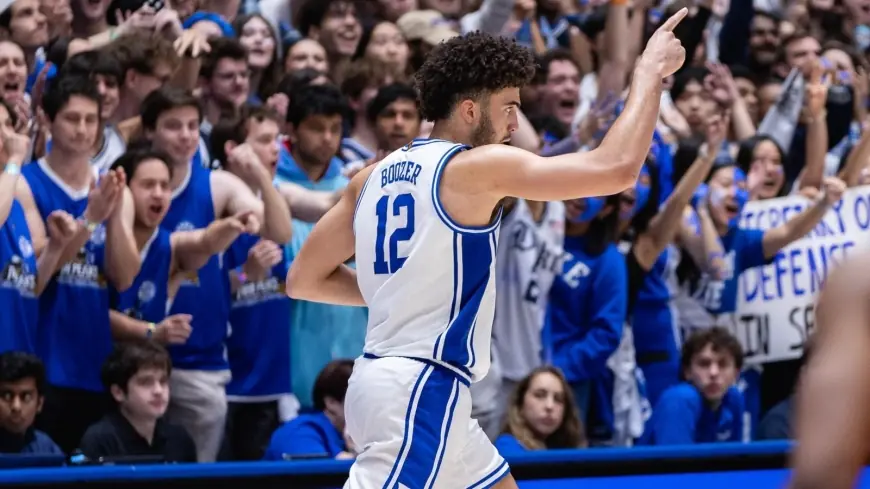
On Monday night, Syracuse’s struggles were laid bare in a 101-64 loss at No. 3 Duke, a 37-point margin that ties for the fifth-largest defeat in program history. The lopsided result marks another stark entry on a growing list of heavy losses during the current coaching era and raises fresh questions about the Orange’s direction.
Historic margin underscores mounting problems
The 37-point defeat is notable not only for its size but for its context within Syracuse’s recent history. It ties for the fifth-largest loss the program has ever endured and represents the largest defeat since a 39-point setback in 2006. This game is the third time Syracuse has dropped a contest by 30 or more points under third-year head coach Adrian Autry, following an earlier 31-point loss this season and a 36-point loss in 2024.
Those results together suggest the program has been vulnerable to blowouts against quality opponents, a trend that complicates recruiting, roster development and fan confidence. The cumulative effect of repeated lopsided defeats can be difficult to reconcile midseason, and the coaching staff now faces pressure to stem the erosion quickly.
What happened in the game
Duke dominated from both ends of the floor, translating defensive stops into transition points and maintaining a consistent margin throughout the evening. Syracuse struggled to find reliable scoring and cohesion, with the offense failing to sustain drives and the defense unable to limit the opponent’s efficiency. The scoreboard told a decisive story: a comprehensive performance by Duke and a night to forget for the Orange.
Beyond the final number, the manner of the loss — sustained runs by the opponent, repeated missed assignments and limited offensive answers — will be dissected by the coaching staff in the days ahead. Turnovers and a lack of consistent shot-making were clearest in the film, and Syracuse will need adjustments on both ends to avoid similar results down the stretch.
Implications for the season and next steps
With conference play and postseason positioning looming, a defeat of this magnitude carries real consequences. Beyond the immediate drop in morale, it could impact seeding considerations and provide a wake-up call for internal evaluations. The staff must identify whether this was an outlier driven by matchup issues or part of a deeper structural problem that requires roster changes or tactical overhauls.
For the players, the response in practice and subsequent games will be scrutinized. Coaches typically emphasize fundamentals after such setbacks: defensive communication, ball security, and finishing at the rim. Rebuilding trust and competitive edge becomes a short-term priority, while longer-term fixes may include adjustments to rotations and strategic emphasis.
Fans and stakeholders will be watching closely as Syracuse attempts to recalibrate. The program’s history includes both peaks and valleys, and the coming weeks will be telling in how quickly the team can return to competitiveness. For now, the 101-64 result stands as a sobering reminder of the gap between Syracuse and the nation’s elite.