

























Rupert Lowe launches Restore Britain, drawing far-right allies and threatening to splinter the right

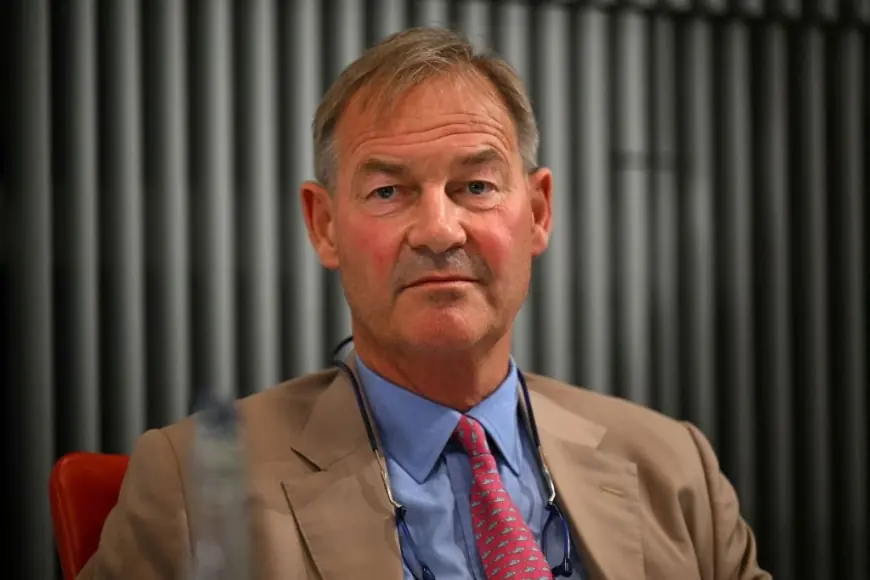
Rupert Lowe, the MP for Great Yarmouth who left his former party last year, has elevated Restore Britain from a local movement to a national political party. Speaking at a packed event in Great Yarmouth on Friday night (ET), he set out a confrontational anti-immigration agenda and confirmed plans to stand alongside locally based partners.
The launch and the platform
The launch, held in a deteriorating seaside theatre, featured a stark pledge on immigration that drew loud applause from the crowd. Lowe introduced a slate of local councillors who will stand under the Great Yarmouth First banner and said Restore Britain will operate as an umbrella for similar local parties as it expands nationally.
Lowe first set up Restore Britain as a movement after his suspension from his former party in March. That suspension followed allegations that he made threats of physical violence against a senior party official; the Crown Prosecution Service later said there was insufficient evidence for a realistic prospect of conviction. The move to formalise Restore Britain into a party prompted some on its initial advisory board to step away.
Allies, amplification and the risk to the right
Within days of the launch, other forces on the political right began to signal openness to cooperation. A splinter grouping led by a former deputy leader of a rival right-wing party said it would consider a merger, while well-known activists and online influencers have rallied to Lowe’s side. Lowe has also benefited from high-profile amplification on social media from a prominent tech billionaire, who urged followers to back his new venture.
That constellation of support includes a cohort of younger online figures pushing a more exclusionary national identity and a number of public personalities who have offered encouraging remarks. A separate right-leaning organisation has cultivated street-level protest, and its supporters have been visible at local demonstrations against the use of former military sites to house asylum seekers.
Political strategists warn that the proliferation of parties on the right could do serious electoral damage through vote-splitting. "We’ve had a general election with a big result for one party but where a lot of MPs had margins of around 1, 000 votes, so you could see small challengers on the right disrupting attempts to follow that, " said a senior Conservative strategist. In the last general election, dozens of seats were decided on margins of less than a few percentage points — a margin small enough for a new right-wing party to be decisive in many contests.
Funding, tactics and what comes next
One rival party on the right has already invested substantial sums and claimed additional fundraising success, while others talk of joining forces to avoid mutual damage. The organisers behind Restore Britain say the party will recruit locally and build a network of partner groups, starting with the Great Yarmouth ticket.
Observers say the immediate test will be whether these groups can translate online energy and street activism into disciplined local campaigning and candidate slates. If they fail to co-ordinate, First Past the Post dynamics could hand advantage to larger parties. If they do co-ordinate or consolidate, they could alter the balance on the right and force established figures to choose between hardline and more moderate approaches.
For now, Restore Britain has thrust another element into an already crowded right-wing field. Its backers see an opportunity to pull the debate further to the right on immigration and national identity; critics warn the effect may simply be to fragment support and make it harder for any single challenger to displace the major parties.