





















How to Get to Heaven From Belfast: Lisa McGee’s female-led murder-mystery caper lands with bite

Lisa McGee’s latest series, How to Get to Heaven From Belfast, trades the adolescent hijinks of her earlier work for a sharper, midnight-hued caper. The show reunites a quartet of old friends after a funeral and quickly turns a small-town wake into a full-blown mystery that mixes comedy, menace and long-buried secrets.
Plot, performances and the hook
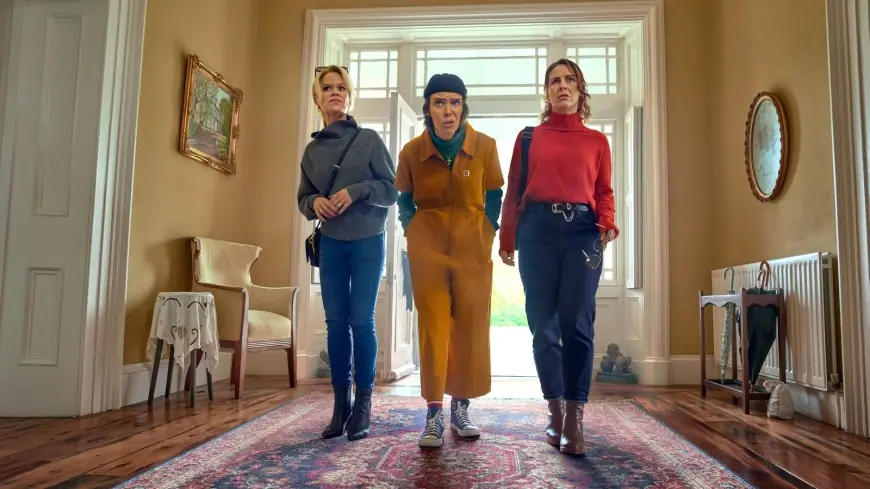
The story follows three women—Dara, Saoirse and Robyn—who come together after the death of their childhood friend Greta. Flashbacks reveal a frightening incident in a forest shack two decades earlier, an occult marking that once bound the four together, and the sense that the woman in the coffin might not be who everyone expects. One character is a crime writer who immediately smells something foul; the others are dragged into an investigation that unspools at a breathless pace.
The cast anchors the tonal swings. Performances range from warm and funny to chillingly intense, and a standout turn elevates the series’ emotional stakes. The local police chief—who is also closely tied to the deceased—casts a long shadow over the community, and family dynamics complicate motives in ways that feel earned rather than contrived. The interplay of memory, loyalty and suspicion keeps the audience guessing while giving each lead space to develop.
McGee’s playbook: comedy, darkness and lived experience
McGee has long mined her upbringing and early storytelling instincts for material that blends humour with the sharper edges of real life. She has spoken about her fascination with classic murder-mystery shows and the impulse to tell a female-first story with messy, human protagonists. That impulse is evident here: the series wears its comedy proudly, even as it pivots into tense investigative beats.
Elements drawn from everyday life in Northern Ireland—small routines, community ties, and the aftershocks of a complicated past—infuse the narrative with texture. McGee intentionally balances lightness and darkness, making sure viewers can laugh at the chaos and still feel the weight of the secret at the heart of the plot. The result is a piece that feels both playful and unnerving, a tonal mix that has become a hallmark of her work.
Critical reaction and why the series matters
Early reviews have hailed the show as a tightly plotted, energetic caper with a central female cast that brings both humour and grit. Critics praise the series for sustaining momentum without losing emotional clarity, and for threading genre thrills through sharply drawn characters. The combination of witty dialogue and mounting dread has made it one of the more talked-about drama offerings this season.
Beyond immediate entertainment value, the series lands at a cultural moment when stories that centre women’s friendships, midlife reckonings and regional specificity are in demand. By foregrounding female agency—even amid suspicion and grief—the show reframes the murder-mystery blueprint. It also demonstrates how a writer’s distinct voice can remake familiar tropes into something fresh: an intimate portrait and an engaging whodunit in one.
For viewers who enjoyed the creator’s earlier work, this series delivers a tonal shift without losing the signature mix of warmth and edge. For newcomers, it offers a propulsive mystery anchored by sharp performances and a writer who knows how to keep a twisty story singing.