






















Did Jackie Kennedy Really Hate Daryl Hannah?

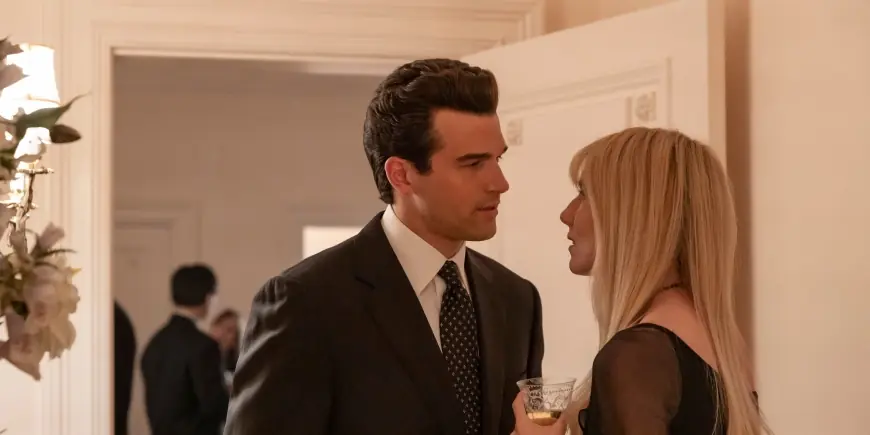
The new dramatization of John F. Kennedy Jr. 's life has reignited curiosity about his on-again, off-again relationship with actress Daryl Hannah — and whether his mother, Jacqueline Kennedy Onassis, actively disliked her. The series stages a chilly dinner and uneasy family exchanges that make the tension feel real; interviews and contemporary recollections, however, suggest the truth was less black-and-white.
How the drama frames the clash
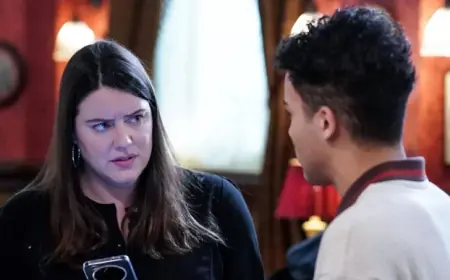
The show leans into scenes that underline a cultural and personal gap between the Hollywood star and the Kennedy family circle. One sequence places Hannah at a family dinner only to discover that Jackie will not join them at the table, a moment that pushes the actress to question whether she will ever be accepted. The role of Hannah is played with sympathetic nuance by Dree Hemingway, who emphasizes the character's earnestness and desire to be let in.
Hemingway frames her portrayal as one of a woman who fights for a romance she believes in. She has described Hannah as someone who "so badly wants to be accepted into this family because she loves John so much, " and as a figure who returns to be with him during vulnerable moments. Those choices in the dramatization make Hannah appear less like an interloper and more like someone trying to bridge two very different worlds.
The series also compresses time and skips many of the stops and starts in the pair's real-life relationship. For storytelling economy, key emotional beats are concentrated into scenes that highlight mistrust, public scrutiny and the familiar class tensions that often surround high-profile unions.
What contemporaries and biographers remember
Memory and memoir complicate the narrative of outright animosity. Friends and biographers have left a nuanced record: some recollections note unease or reservations from the matriarch about her son's relationship with an actress, but the language used is more cautious than the word "hate. " One friend of Jackie’s put it plainly: "It wasn't like she hated Daryl at all — she just didn't want her son marrying an actress. It kind of was that simple. "
That perspective frames Jackie’s reaction as rooted in class expectations and concern for family continuity rather than personal malice. At the same time, members of Hannah’s own circle have offered a different impression, with family remembering warm encounters and insisting relations were not uniformly frosty. Those competing recollections help explain why dramatizations can convincingly tilt in either direction.
Real-life events heighten the stakes in the public imagination. In late 1993, Jackie sustained injuries after a fall from a horse while fox hunting in Virginia; she then sought to recuperate at home and was later diagnosed with non-Hodgkin lymphoma. She died on May 19, 1994. The series uses this period as an emotional pivot: John rushing to his mother’s side, the pressure of caregiving, and the way romantic entanglements look different when family illness and mortality enter the frame.
The takeaway: nuance over certainties
The portrayal of Jackie’s coolness in the drama serves narrative clarity — it externalizes an obstacle that helps explain why the Kennedy-Hannah connection faltered. But when the historical record is read closely, the picture is mixed: unease and protective instincts on the part of Jackie coexist with memories of cordial interactions, and friends emphasize caution rather than hatred.
For viewers, the series offers a version of events shaped by dramatic need and empathy for its characters. For historians and those who knew them, the relationship was textured by social expectations, public scrutiny and private sorrow. Either way, the story underscores a familiar truth about public romances: they are rarely as simple as headlines suggest, and family disapproval often comes from complicated, sometimes contradictory motives.
The series premiered Thursday, Feb. 12, with subsequent chapters rolling out weekly on Thursdays at 9 p. m. ET, inviting fresh debate about what really happened behind closed doors in one of modern America's most watched families.