























Lunar New Year 2026 live: Year of the Fire Horse ushers in a charged, changing festival

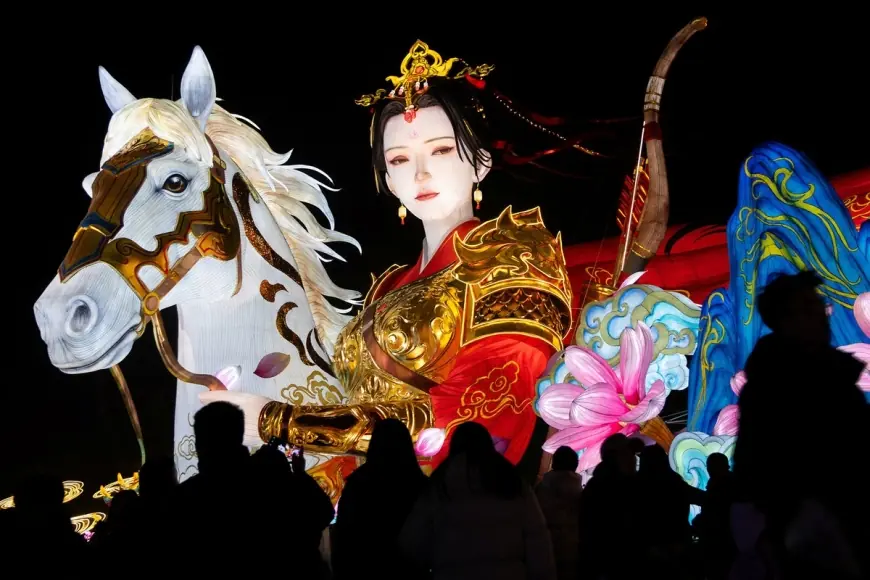
The Year of the Fire Horse has arrived, and celebrations are unfolding across Asia and in communities worldwide. The festival runs for 15 days, beginning with the first new moon and ending on the full moon, and always falls within the annual window of January 21–February 20 (ET). From lion dances on city streets to simmering debates about tradition and modern life, this new zodiac year is already shaping up to be intense, public and often unpredictable.
Across Asia: food, family and quieter rituals
Food remains central to festivities, with regional specialties marking the start of the year. In Malaysia and Singapore a communal yusheng salad — raw fish served with long, ritualistic tossing — is a highlight, its dramatic “lo hei” toss meant to usher in prosperity. In South Korea, tins of luncheon meat have become popular New Year gifts, a modern addition to longstanding gift customs.
Family observances are shifting. Many households still stage elaborate ancestor tables early in the festival, but a growing number of younger people are simplifying or skipping those rituals altogether. In one capital city, more than 60% of people said they would not set up the traditional charye tables this year, opting instead for smaller gatherings or secular moments of remembrance.
Public spectacles continue to draw crowds. One family from a migrant community in Sydney took their sons out of school for a “culture day, ” watching a traditional lion dance and letting the children stroke the lion’s nose — a gesture meant to bring luck for the coming year. For many families, keeping language and ritual alive amid diasporic life is a core part of the holiday.
Politics and platforms: content control meets cultural virality
State actors have been more visible this year, particularly in mainland cities where authorities have launched annual crackdowns on material deemed antisocial. The measures this cycle include scrutiny of posts that praise the decision not to have children, part of a broader push to regulate cultural and family discourse.
At the same time, cultural trends are spreading in surprising directions. A viral movement in Western social media circles has normalised a variety of Chinese wellness practices — from specific home routines to longevity exercises — and repackaged them as lifestyle choices. That movement has been framed online with tongue-in-cheek captions that borrow from pop-culture references, and many participants are openly experimenting with elements of Chinese daily life as a form of self-styled cultural appreciation.
The tension is palpable: official limits on what can be discussed intersect with a grassroots enthusiasm that treats parts of the festival as both spiritual inheritance and online content. That collision will likely shape conversations about identity, cultural borrowing and who gets to define public rituals in 2026.
Symbols, superstition and the workplace
The Fire Horse zodiac is widely described in popular metaphysics as rare, volatile and transformative. Traditional customs for the festival focus on preserving good fortune: refrain from cutting hair during the 15-day period, avoid sweeping away luck, wear red for protection and stay away from colours associated with mourning. Households often refrain from arguing, taking out rubbish or lending money in the opening days — all gestures aimed at keeping prosperity intact.
These symbolic cues are already filtering into work culture. A management scholar notes that horse imagery and related phrases are expected to appear in presentations and email subject lines as a form of gentle workplace persuasion: leaders and colleagues will use the metaphor of speed and proactivity tied to the Fire Horse to encourage a certain work tempo. Whether that nudging will stick beyond the early weeks of the new year remains to be seen.
As the 15-day festival continues, the Fire Horse seems set to test both old customs and new habits — provoking celebration, anxiety and adaptation in equal measure.